
Last updated November 15, 2026
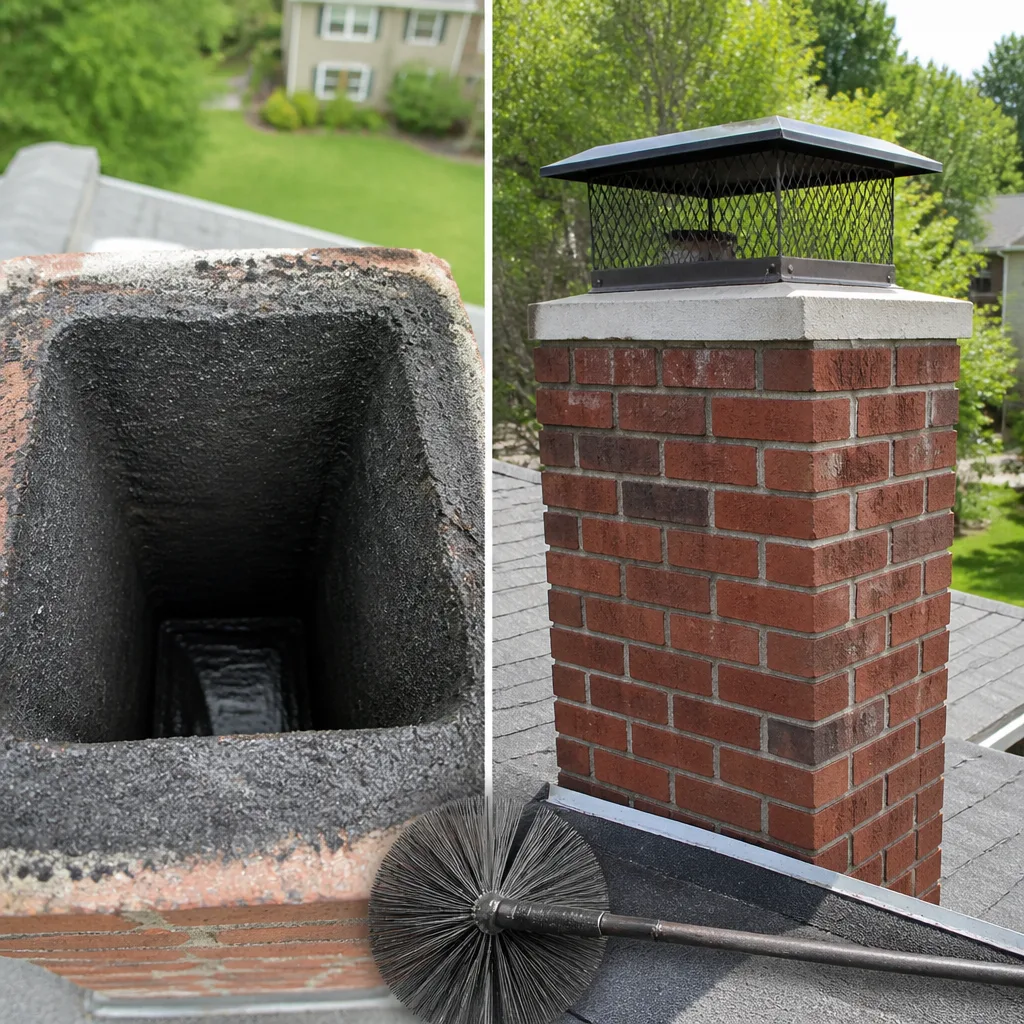 Sweep & inspection
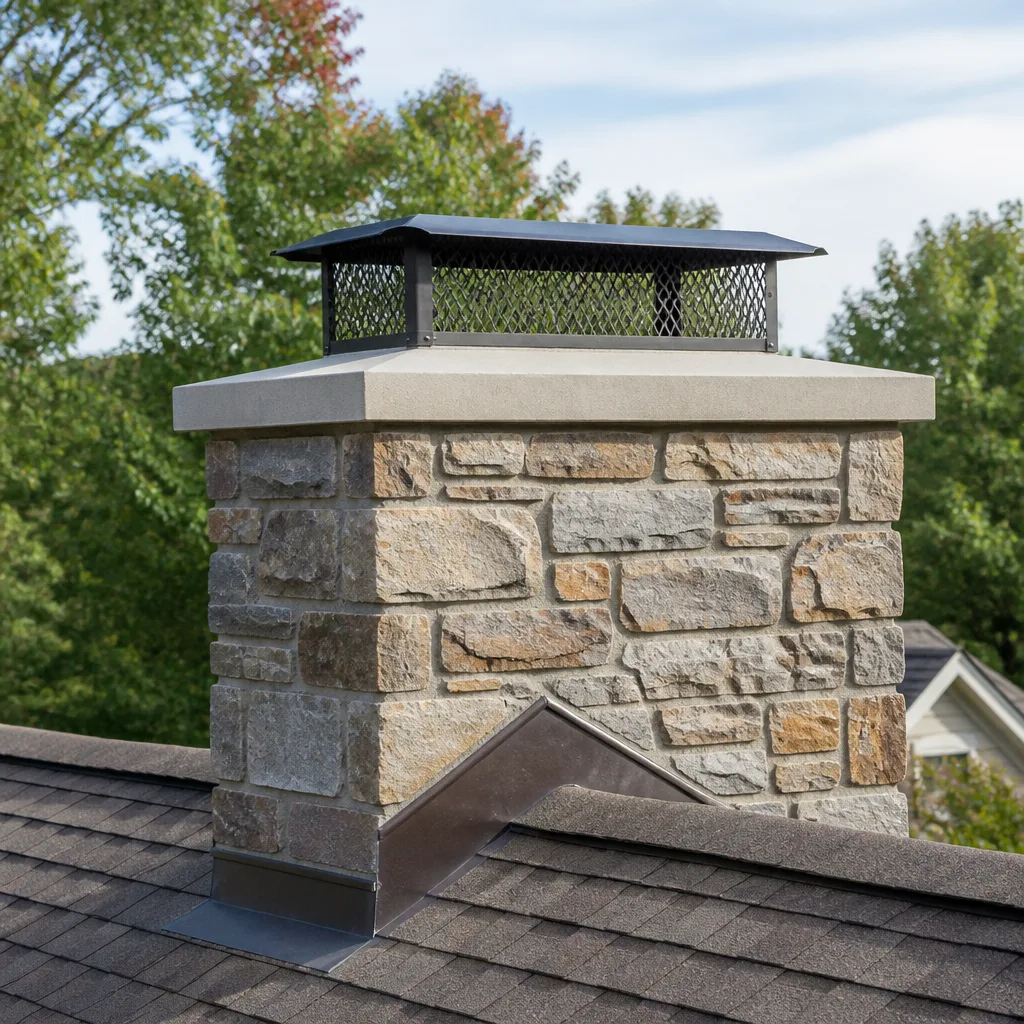 Caps & crowns
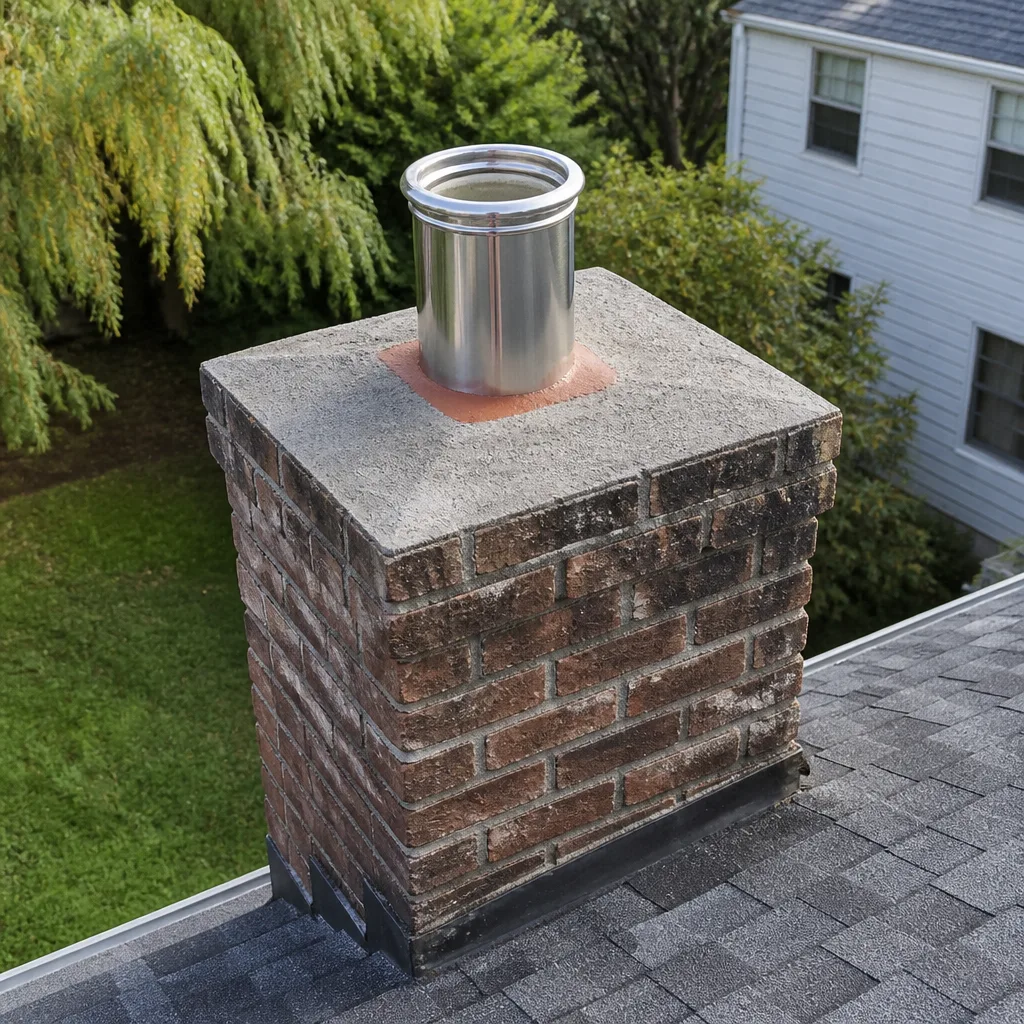 Flue relining
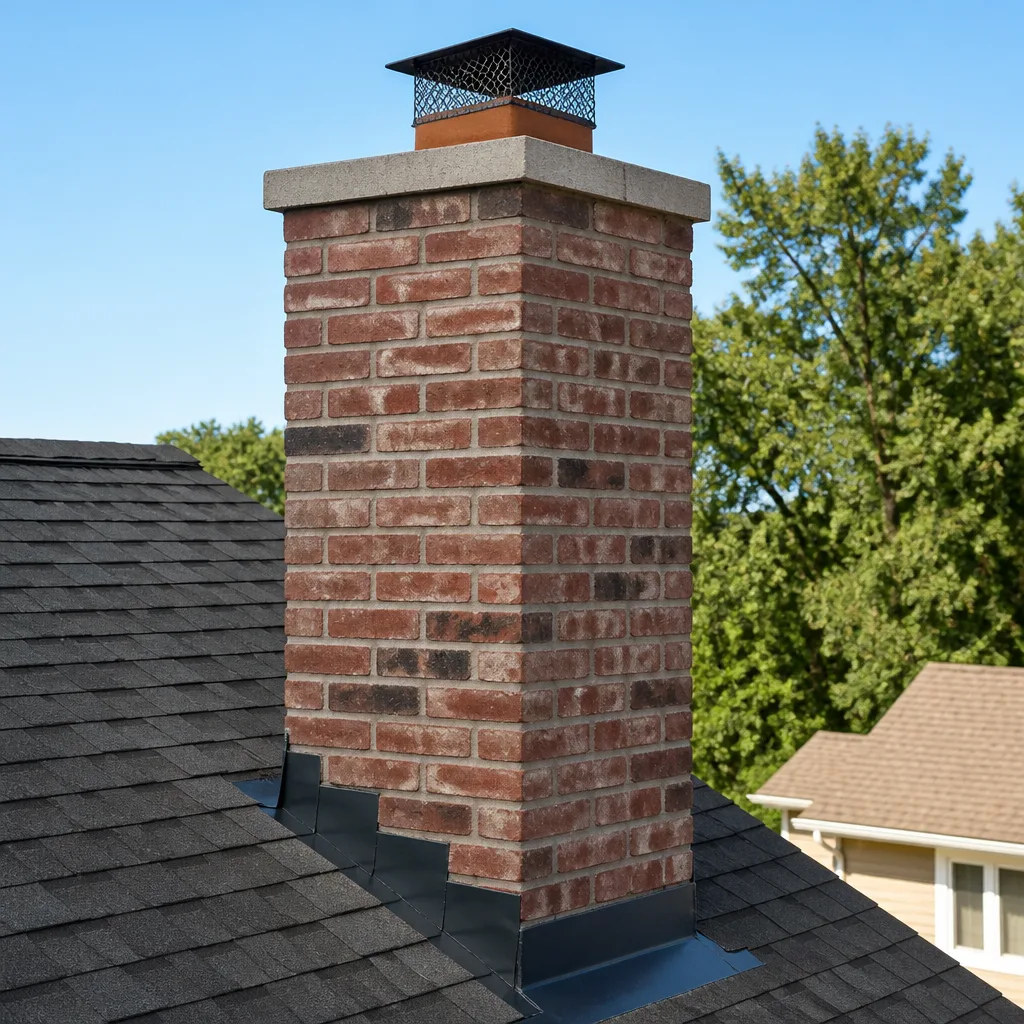 Masonry repair
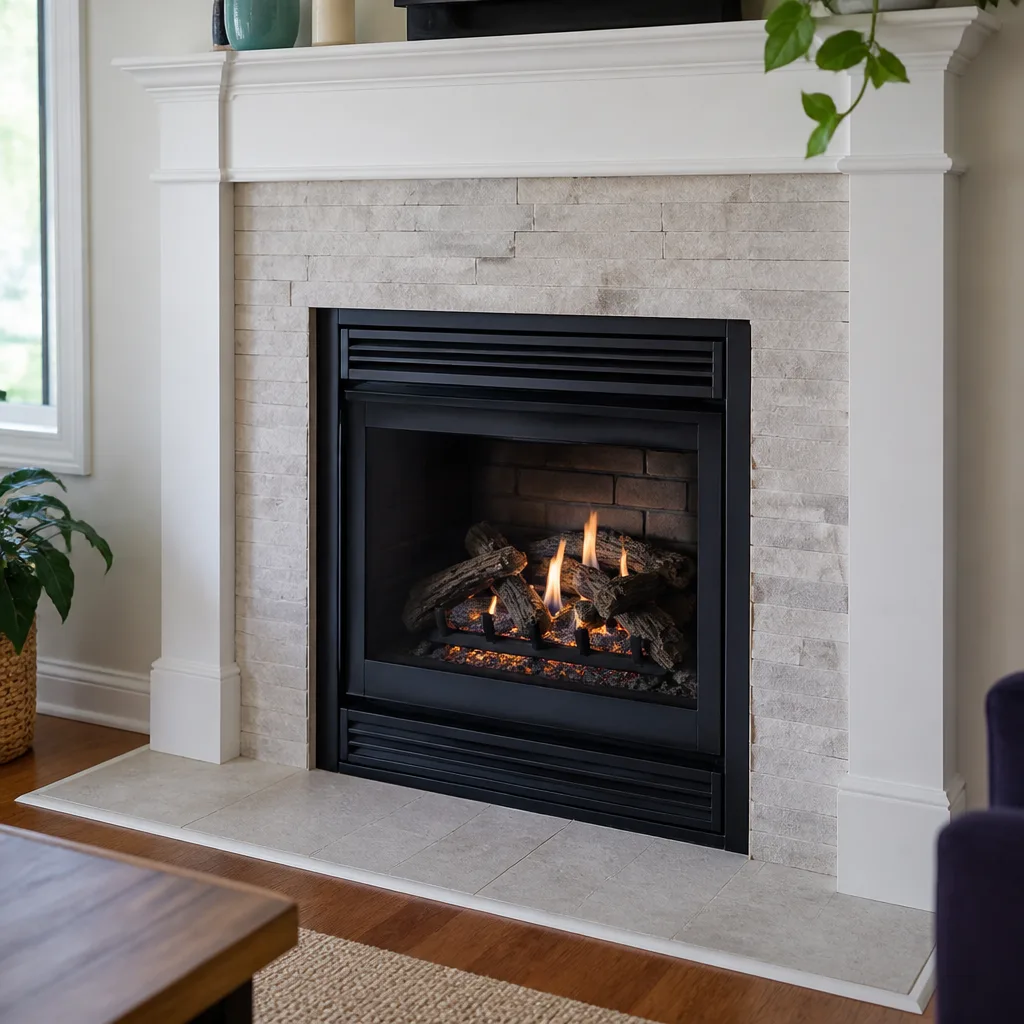 Gas fireplace service
Level 1 sweep and inspection to the NFPA 211 annual standard - flue, crown, cap, and flashing checked and photographed
Chimney sweep logs do not sweep chimneys. They loosen some creosote - which then falls where a brush and vacuum still have to collect it.
How to Hire a Chimney Cleaning Contractor in St. Petersburg: A Step-by-Step Guide
Most chimney problems we get called out to fix weren’t caused by the homeowner skipping maintenance. They were caused by the wrong company doing the maintenance. In our experience, the biggest hiring mistake isn’t overlooking a license or a review count. It’s booking a general handyman or an HVAC tech who tacked chimney cleaning onto a long menu of services and never developed the diagnostic eye a real chimney system demands. A chimney isn’t a duct you brush out. It’s a structural safety system, and reading what’s inside it takes training a generalist doesn’t get. This guide walks you through how to hire a chimney cleaning contractor in St. Petersburg, step by step: what to ask, what to verify, what a quote should contain, and the specific red flags that show a contractor is reciting a script rather than understanding your flue.
Quick Answer
To hire a chimney cleaning contractor in St. Petersburg, verify that the company specializes in chimney systems rather than treating them as a side service, confirm their technicians hold proper certification you can check, and insist on a written scope of work and a post-service report with photos and written findings. The label matters less than the questions they can answer about your specific flue. A specialist can explain what’s in your chimney before they charge for the cleaning, and a generalist usually can’t.
Styles & brands we work with
- Sweep & inspection
- Caps & crowns
- Flue relining
- Masonry repair
- Gas fireplace service
Table of Contents
- Why the Specialist vs. Generalist Distinction Matters Most
- What CSIA Certification Actually Means and How to Verify It
- Questions That Expose a Script-Reader
- The Florida Red Flags Most Homeowners Miss
- How to Compare Quotes When the Scope Is Vague
- What a Legitimate Post-Service Report Should Include
- Hiring for a Pre-Purchase Chimney Inspection
- When to Call a Professional
- Frequently Asked Questions
Why the Specialist vs. Generalist Distinction Matters Most
Three out of four companies that show up in a local chimney search are general home-service outfits that added chimney cleaning to their menu. You can usually spot one by its homepage: chimney work sits alongside pressure washing, gutter cleaning, and dryer vent service. There’s nothing dishonest about that, but a company stretched across dozens of trades can’t invest in the one thing a chimney requires. Every job, every tool, and every product recommendation should be chosen specifically for chimney systems – not repurposed from HVAC or general contracting work.
A dedicated chimney specialist offers the full lifecycle in one place: inspection, sweep, and repair. That matters because the person who finds the problem can also fix it without a referral runaround. When a generalist sweeps your flue and finds a cracked liner, they hand you off to someone else, or worse, they flat-out miss it because they lack the diagnostic depth to recognize it in the first place. In St. Petersburg, where many homes are older and fireplaces sit unused for long stretches between our mild winters, that missed detail is exactly where problems start.
The scope of what a specialist actually handles goes well beyond basic cleaning:
- Diagnostic inspection at the levels appropriate to your situation, including the deeper video-based inspection a real estate transaction or a system change requires
- Cleaning and sweeping calibrated to your fuel type and how much you burn
- Structural repair – liner resurfacing, relining, cap replacement – using professional-grade industry brands instead of off-the-shelf substitutes
We lean on names like HeatShield for liner resurfacing and DuraFlex for relining, not generic materials pulled off a home-center shelf. Those product choices signal a technical tier above basic sweeping, and they indicate a contractor who can actually remedy what the inspection uncovers. When you hire for a chimney in St. Petersburg, ask directly whether the company can do the repair work itself. If the answer is a referral, you’re not hiring a chimney contractor. You’re hiring a brush.
What CSIA Certification Actually Means and How to Verify It
CSIA certification is the chimney industry’s recognized training standard, meaning the technician has been tested on chimney system science, venting, inspection procedure, and safety. It’s the difference between someone who knows what a properly drafting flue looks and smells like and someone who just pushes a brush up a hole. A certification card on a website footer proves nothing on its own. Verify it in the moment instead of taking a company’s word.
Here’s how to actually confirm it:
- Ask for the technician’s name and certification status before the visit. A company with certified staff will answer this without hesitation. A company that scrambles for an answer is telling you something.
- Ask whether the certified technician is the one arriving at your door. Some outfits hold a certification on paper but dispatch untrained labor. You want to know the person holding the brush.
- Ask what inspection level they’re qualified to perform. A Level 2 inspection involves video scanning the flue and a deeper look at accessible portions of the chimney. If a contractor can’t tell you what a Level 2 requires, they aren’t qualified to do one.
- Take their certification claim and confirmation from the governing body seriously. Ask for the credential details and, if you want to be thorough, verify through the certifying organization.
Certification alone won’t guarantee a good job, but the absence of it is a strong signal the work is generic. Our technicians have up to 11 years of experience, and we mention that not to impress you but to show the difference between a company that retains skilled chimney-specific staff and one that rotates whatever labor is available. When you’re hiring a chimney cleaning contractor in St. Petersburg, the credentialed technician on the truck is the whole point.
Questions That Expose a Script-Reader
The fastest way to tell a specialist from a generalist is to ask questions the script doesn’t answer. A trained chimney professional will engage with your specific system, name the parts, and tell you what they’re looking at. A script-reader will give you a smooth, generic answer that could apply to any house anywhere. Ask these before you book.
- “What type of flue liner do you expect in a house like mine, and how will you confirm it?” A specialist will talk about clay tile, metal liners, and how they’ll inspect rather than guess. A generalist will say “we’ll take a look.”
- “What does a Level 1 versus a Level 2 inspection cover?” This is core chimney knowledge. If the answer is vague or the two get blurred, the person doesn’t know the standards.
- “How do you clean a wood stove flue differently from an open fireplace?” The tools and technique differ. A chimney-exclusive company adjusts for fuel type and appliance.
- “If you find a cracked liner, what’s your typical remedy?” A real specialist names the method – resurfacing or relining – and the materials. A generalist says “we’d recommend a repair” and stops there.
- “What does your post-service documentation include?” The answer should be photos and written findings, not “we’ll let you know if anything’s wrong.”
- “What does a chimney cap do and does mine have one that’s working?” A specialist can explain the cap’s job – keeping out water, animals, and debris – and check it in seconds.
The pattern to watch for is a company that treats your chimney as a generic pipe. A chimney is a structural safety system. We treat it like one, and the questions above are exactly how you find out whether the contractor across from you does the same.
The Florida Red Flags Most Homeowners Miss
Florida’s climate is mild, which lulls a lot of St. Petersburg homeowners into treating chimney maintenance as optional. The red flags here are subtler than in a cold-weather market, and a contractor who doesn’t understand the local situation will wave them off. Watch for these.
No mention of moisture and salt-air effects on metal components. In St. Petersburg, air carries salt, and salt accelerates corrosion on the metal parts of a chimney – caps, dampers, and metal liners among them. A contractor who never raises corrosion as something to check on a Florida chimney is not paying attention to the local conditions. Ask directly how they account for it.
No Level 2 inspection capability. This is the big one. Buying a home, changing out an appliance, or having had a chimney fire or seismic event all call for a Level 2 inspection, which requires video scanning of the flue and access to areas a basic sweep never reaches. Plenty of general-service companies have no ability to perform one and won’t tell you that. If a company can’t do a Level 2, they can’t tell you the full story of your chimney, and you shouldn’t hire them for a purchase or a major change.
Cleaning-only capability with no repair arm. If the company finds a problem it can’t fix, you’re stuck coordinating a second contractor. That handoff is where details get lost.
Vague talk about “the off-season.” St. Petersburg winters are mild enough that some homeowners burn rarely and let maintenance slide. A contractor who assumes you’re a heavy user, or who brushes off a seasonal inspection as unnecessary, hasn’t understood your actual usage pattern. Be upfront about how much you burn and see whether they tailor their recommendation to it.
The common thread: a contractor who’s genuinely local will talk about your system in your climate. One who doesn’t is reciting a script written for somewhere else.
How to Compare Quotes When the Scope Is Vague
A vague quote is the most common way homeowners overpay or under-serve their chimney. “Chimney cleaning – $199” tells you nothing about what’s actually being done, what’s being inspected, or what happens when a problem turns up mid-job. When you’re comparing quotes from several companies, force each one onto the same footing.
Put every quote through these checks:
- What exactly is being cleaned and inspected? The flue, the firebox, the smoke chamber, the cap? Name each component. A real scope spells them out.
- What inspection level is included? A basic cleaning often pairs with a Level 1 inspection. If the job needs more – a purchase, a system change, a suspected fire – a Level 1 isn’t enough, and the quote should reflect the higher level.
- What happens if the inspection finds a defect? Is the price for the repair stated, or is it “we’ll see”? The best quotes give you a realistic range for likely repairs, then set the firm price in writing after the inspection.
- What’s the written deliverable? Do you get photos and a written report, or just a verbal “all clear”?
- Are the repair materials branded and trade-grade? A quote that says “new liner” means nothing. A quote that names HeatShield or DuraFlex or an Olympia Chimney or Copperfield product tells you the company is sourcing through established trade channels.
When you line up apples to apples, the cheapest quote usually turns out to be the one that does the least. That’s not always the wrong choice – sometimes a basic sweep is all a system needs, and we’ll tell you that plainly. But you can only make that call if each quote defines its scope. Prices are estimates until the written estimate sets the final number, so ask for the scope in writing and compare on that basis.
What a Legitimate Post-Service Report Should Include
The report is the part most homeowners don’t know to ask for, and it’s often where the difference between a real specialist and a quick brush job shows. A credible post-service report gives you a record you can keep, reference next season, and hand to a buyer or an insurer. If the company can’t produce one, the job wasn’t fully done.
Here’s what a legitimate report should contain:
- Written findings from the inspection, in plain language, covering the flue, firebox, damper, cap, and any defects observed
- Photos of the before-and-after condition and of anything flagged – so you can see the evidence yourself, not just take a description on faith
- The inspection level performed and what it covered
- Specific repair recommendations, naming the defect, the likely remedy, and the materials involved – resurfacing versus relining, for example
- What can safely wait versus what shouldn’t. A good report tells you what’s urgent and what isn’t, so you can plan and budget.
This is where our specialist positioning earns its keep. Because we handle repair in-house and use professional-grade chimney-industry brands, the findings in the report lead straight to a fix without a middleman. You see what’s inside your flue, and you decide with the evidence in hand. Know exactly what’s inside your flue before you light the first fire of the season – and keep the documentation that proves it.
Hiring for a Pre-Purchase Chimney Inspection
If you’re buying a home in St. Petersburg, the general home inspector’s report will mention the chimney, but it will rarely tell you whether the flue is sound or the liner is compromised. A general home inspector isn’t a chimney specialist, and chimney defects can be expensive and easy to hide. This is one of the clearest cases where hiring the specialist is worth it, and one of the clearest uses for a Level 2 inspection.
For a pre-purchase inspection, you want a company that can:
- Perform a Level 2 inspection with video scanning of the flue, because a purchase is one of the trigger conditions the standards call for it
- Distinguish between cosmetic issues and structural ones – a stain on the firebox brick isn’t the same as a cracked liner
- Give you a written, photo-documented report you can use in negotiation and keep after closing
- Quote the realistic repair range you might be walking into, using trade-grade materials rather than vague estimates
As a buyer, you don’t want a generalist who cleans chimneys on the side guessing at a structural component. You want a company whose whole job is chimney systems, that can tell you what’s inside the flue and what it will take to make it right. A credible pre-purchase chimney inspection from a specialist is a small cost against a very large purchase, and it’s the kind of evidence that keeps a surprise off the closing table.
When to Call a Professional
Call a professional when the chimney is dirty enough to need a sweep, when it’s been more than a year since the last inspection, or when you’re about to light the first fire of the season and haven’t looked inside. Call immediately if you notice creosote buildup, a smoky draft, a cracked or displaced brick, water staining on the masonry, or a cap that’s loose or missing. If you’re buying a home, call before closing for a Level 2 inspection. In St. Petersburg, a mild winter can hide an overdue chimney for a long time; the fix is to schedule the inspection rather than wait for a symptom. Citadel Chimney Cleaning offers free estimates in St. Petersburg – call (833) 467-4164. We answer 24/7. Fast dispatch from 7am to 7pm, Sunday through Friday.
Frequently Asked Questions
You should treat any price quoted for a chimney sweep in St. Petersburg as an estimate until the written estimate sets the final number, and the honest answer is that cost depends on what the inspection finds. The real question to compare companies on is scope: what components get cleaned, what inspection level is included, and what the post-service report contains. A low headline price often reflects the bare minimum of work. Ask each company to spell out the scope, and base your decision on that rather than the number alone. Call (833) 467-4164 for a free estimate.
CSIA certification means the technician has been trained and tested on chimney system science, venting, inspection levels, and safety, and it’s the recognized standard in the trade. Verify it by asking for the technician’s name and certification status before the visit, confirming that the certified technician is the one actually performing the work, and checking the claim with the certifying organization if you want to be certain. A company that hesitates or can’t name its certified staff is a company to think twice about. Call (833) 467-4164 for a free estimate.
A Level 1 inspection is a basic visual check of the readily accessible portions of the chimney and its connections, and it’s what typically pairs with a routine cleaning. A Level 2 inspection is more thorough: it includes video scanning of the flue and access to areas the basic check can’t see, and it’s called for when you buy a home, change out an appliance, or suspect a fire or event has damaged the system. Many general-service companies can’t perform a Level 2, so ask before you book. Call (833) 467-4164 for a free estimate.
Sometimes a new liner is genuinely necessary, and sometimes it’s not – the only honest way to know is a documented inspection. Ask the contractor to show you the evidence: photos of the flue, the specific defect, and why resurfacing won’t solve it if relining is the recommendation. A reputable specialist will tell you plainly when work can safely wait. If a company recommends a liner without showing you the cause, get a second opinion. Call (833) 467-4164 for a free estimate.
Watch for a company that never accounts for salt-air corrosion on metal chimney components, one that can’t perform a Level 2 inspection, and one that only cleans and can’t repair what it finds. Also be wary of vague quotes that don’t name the components being cleaned or the inspection level included, and of any report that’s verbal instead of written and photo-documented. These signals point to a generalist treating your chimney as a side job. Call (833) 467-4164 for a free estimate.
A chimney is a structural safety system, and reading what’s inside one – liner condition, draft, moisture effects, cap function – takes expertise a generalist doesn’t develop. A chimney-exclusive company brings tools and products chosen specifically for chimney systems, knows which brands meet the trade standard, and can handle both the sweep and any repair the inspection uncovers. That means one specialist from inspection to repair, instead of a referral chain. Call (833) 467-4164 for a free estimate.
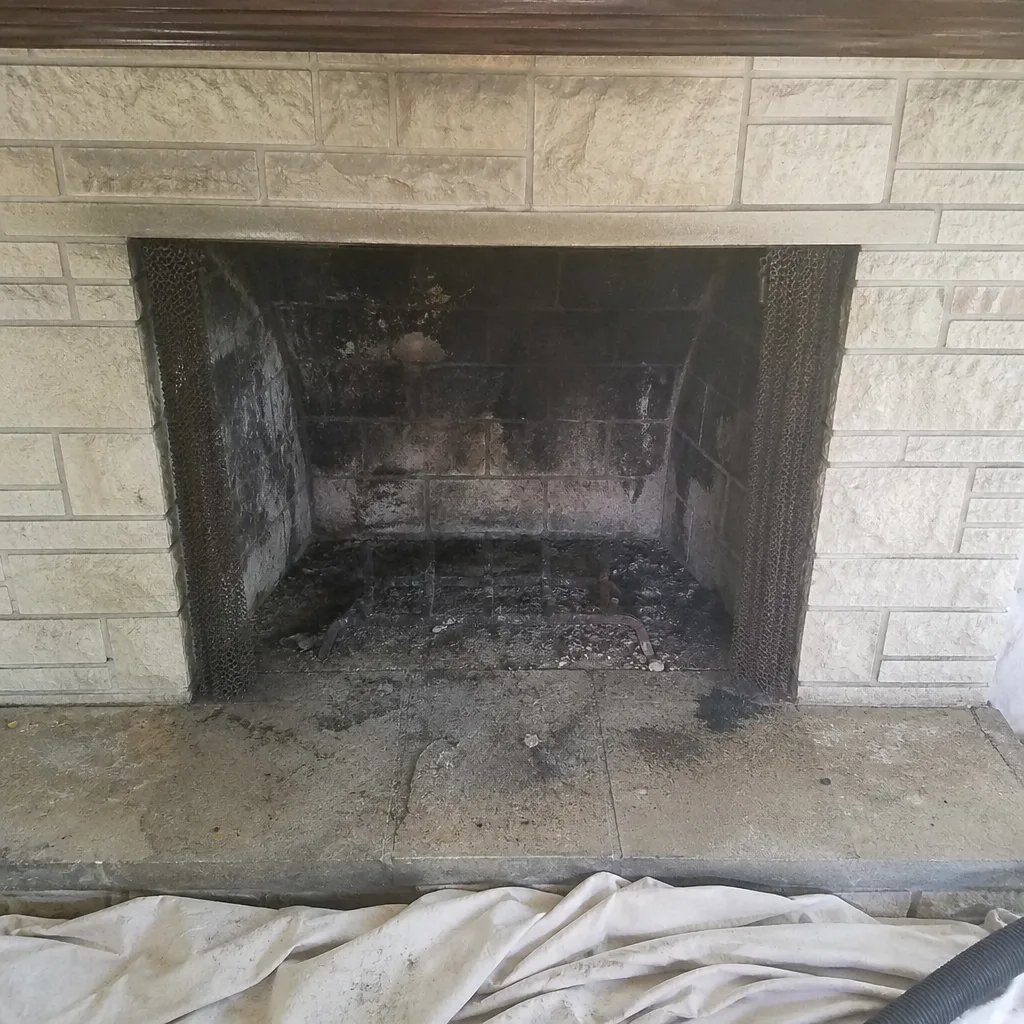
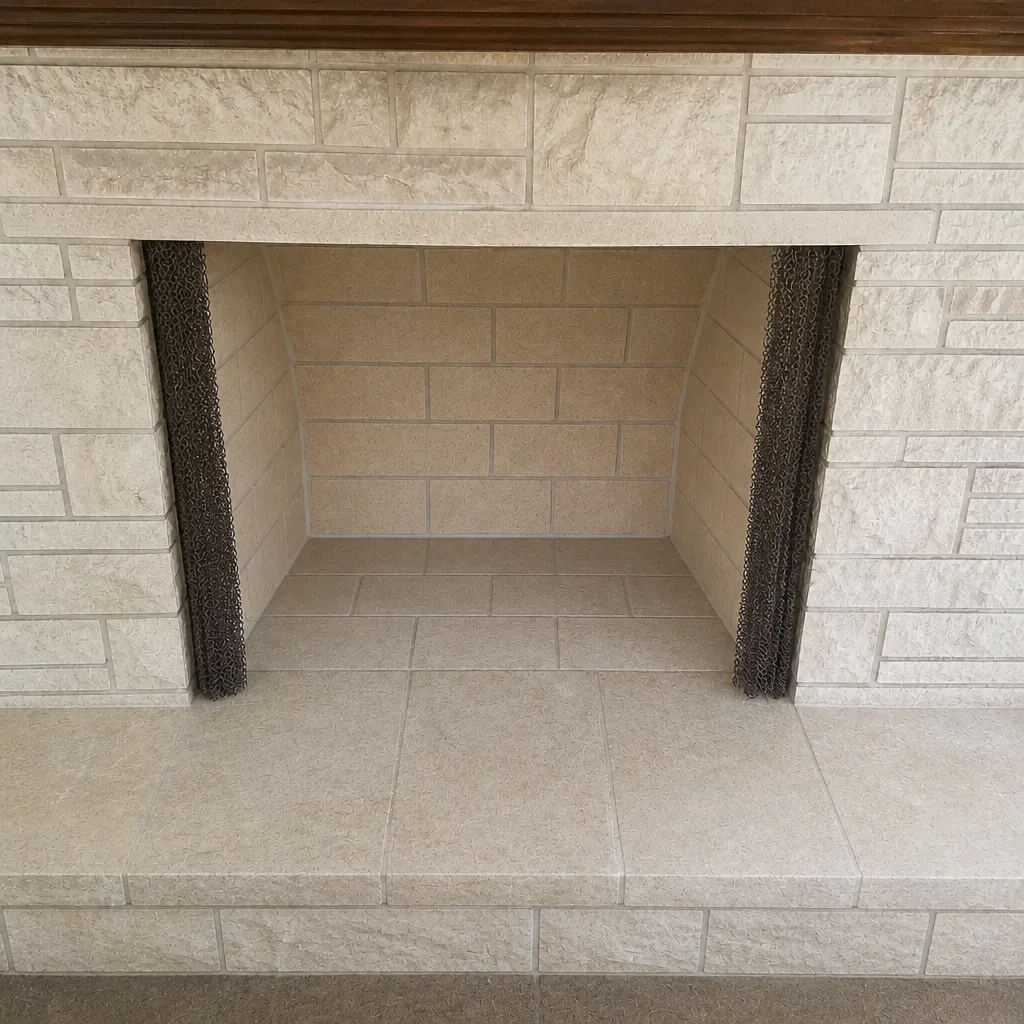
See the difference
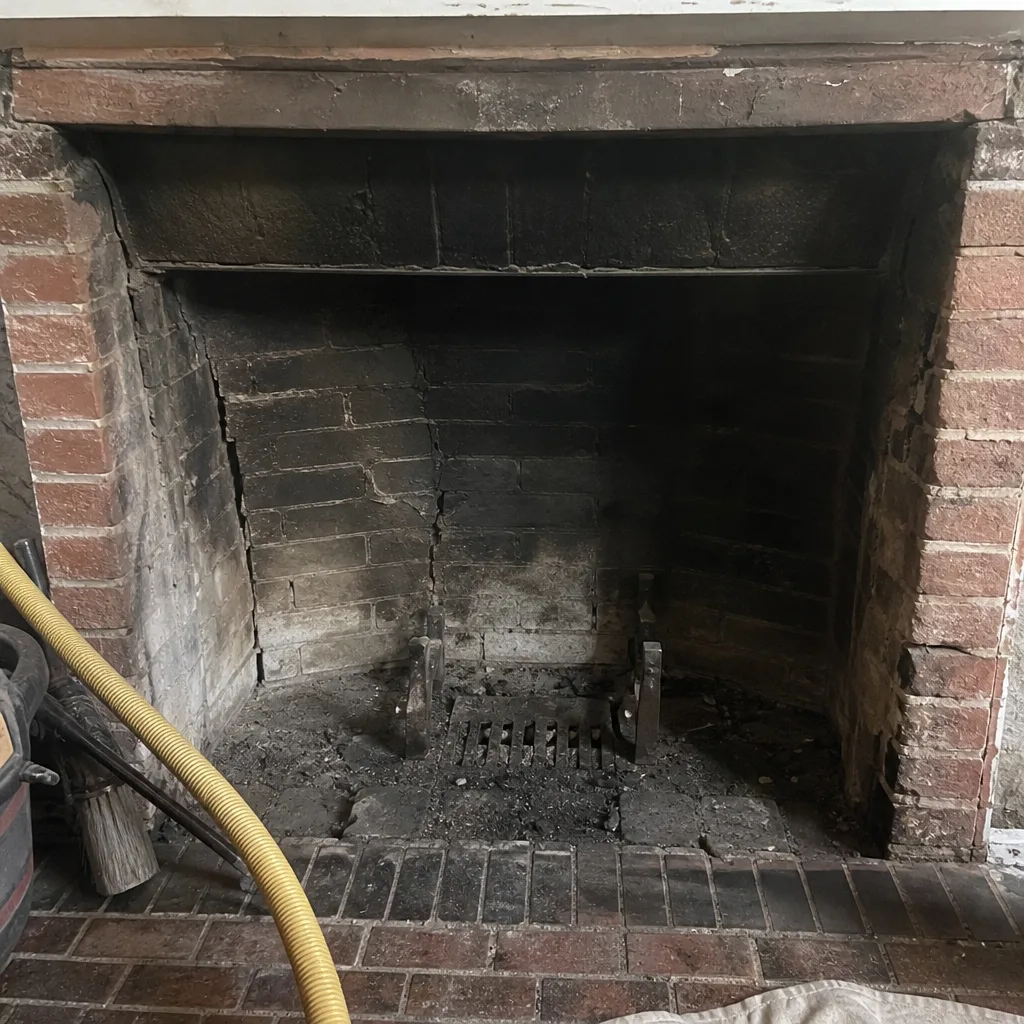 Before
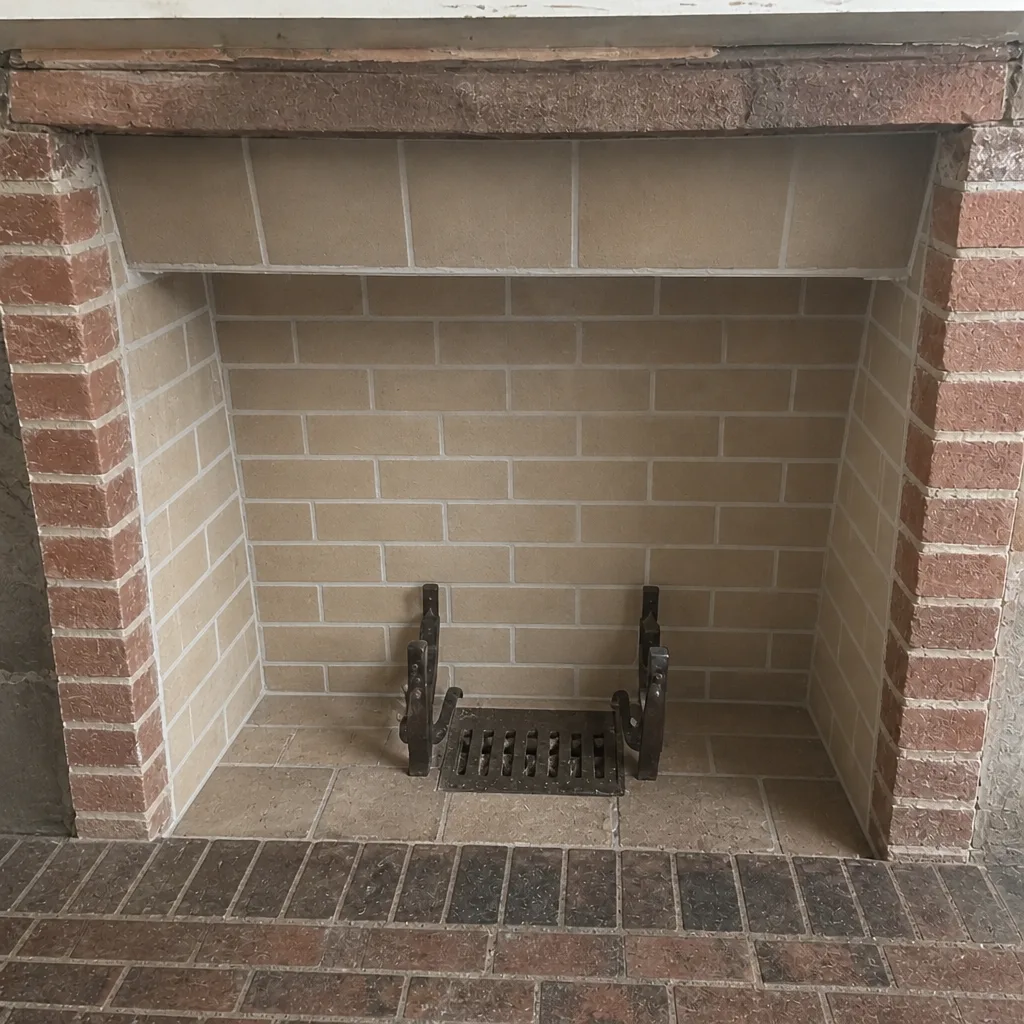 After
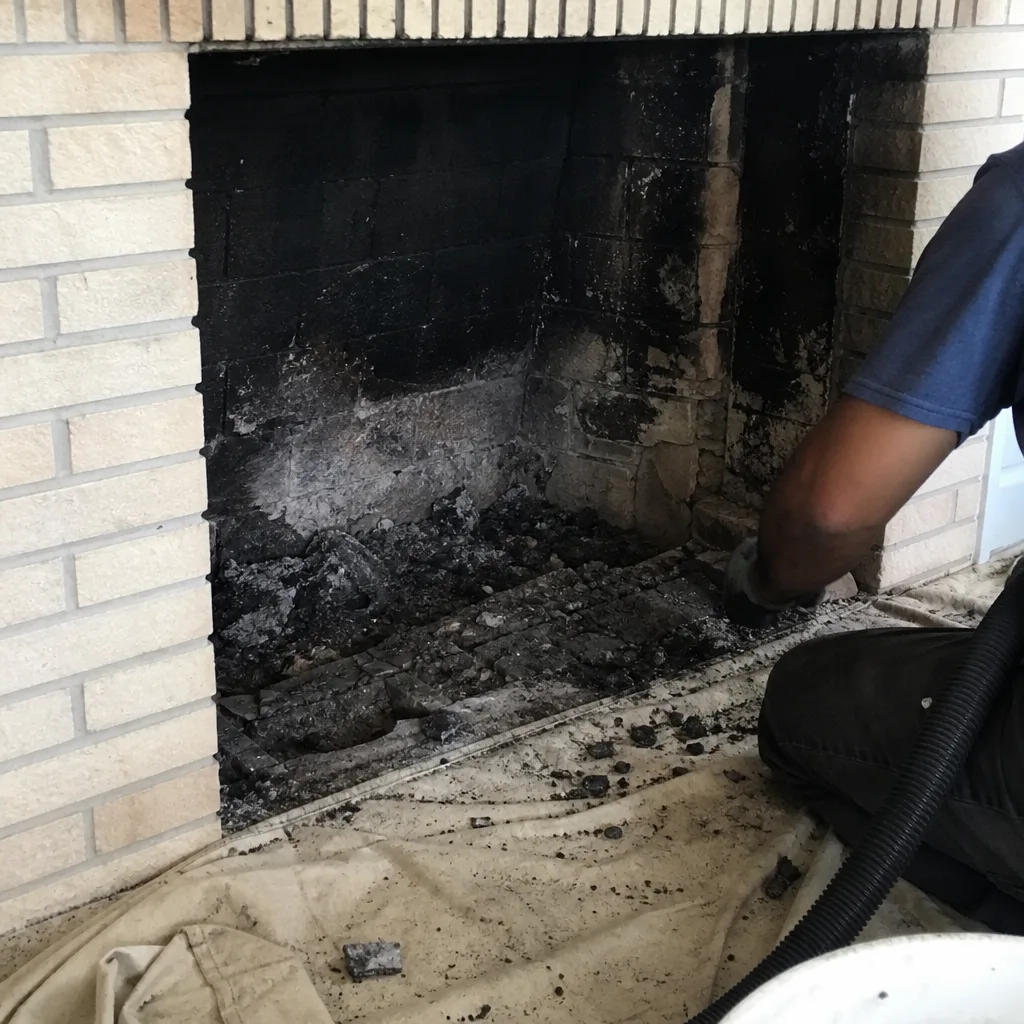 Before
 After
 Before
 After
Common Mistakes to Avoid
- Hiring a general handyman who “also does chimneys.” Chimney systems require dedicated diagnostic expertise, and a company stretched across a dozen trades won’t have it. You’ll get a brush pushed up a flue and nothing more.
- Taking certification on faith. A logo on a website proves nothing. Ask for the certified technician’s name and confirm the person arriving is the person trained.
- Not asking about salt-air corrosion in St. Petersburg. Metal caps, dampers, and liners are prone to it in this climate, and a contractor who never mentions it isn’t accounting for your local conditions.
- Booking a company that can’t perform a Level 2 inspection. Buying a home or changing an appliance calls for a deeper inspection, and a generalist without video scanning can’t tell you the full story.
- Comparing prices instead of scopes. A vague “chimney cleaning” quote hides what’s actually included. Line up the components, inspection level, report, and repair terms before you decide.
- Accepting a verbal “all clear.” You want written findings and photos you can keep and reference. No report means you can’t verify what was or wasn’t found.
- Letting a busy season push the inspection back another year. St. Petersburg winters are mild, so it’s easy to postpone. Book the inspection rather than wait for a draft problem or a stain to show up.
The Bottom Line
The single most important hiring decision you’ll make for your chimney is choosing a specialist over a generalist. Verify certification by asking, not by taking a website’s word. Ask questions that a script can’t answer. Watch for the local red flags that come with salt-air corrosion and missing Level 2 capability. Compare quotes on scope, and insist on a written, photo-documented report. A chimney is a structural safety system, and the right contractor treats it as one – from inspection to repair, with the trade brands that make a repair last. When you’re ready to book a chimney in St. Petersburg with a company that does exactly one thing well, the questions above will help you choose, and we’re glad to answer every one of them for you.
Call Citadel Chimney Cleaning at (833) 467-4164 for a free estimate. We answer 24/7. Fast dispatch from 7am to 7pm, Sunday through Friday.
Written by the team at Citadel Chimney Cleaning.