
Last updated November 15, 2026
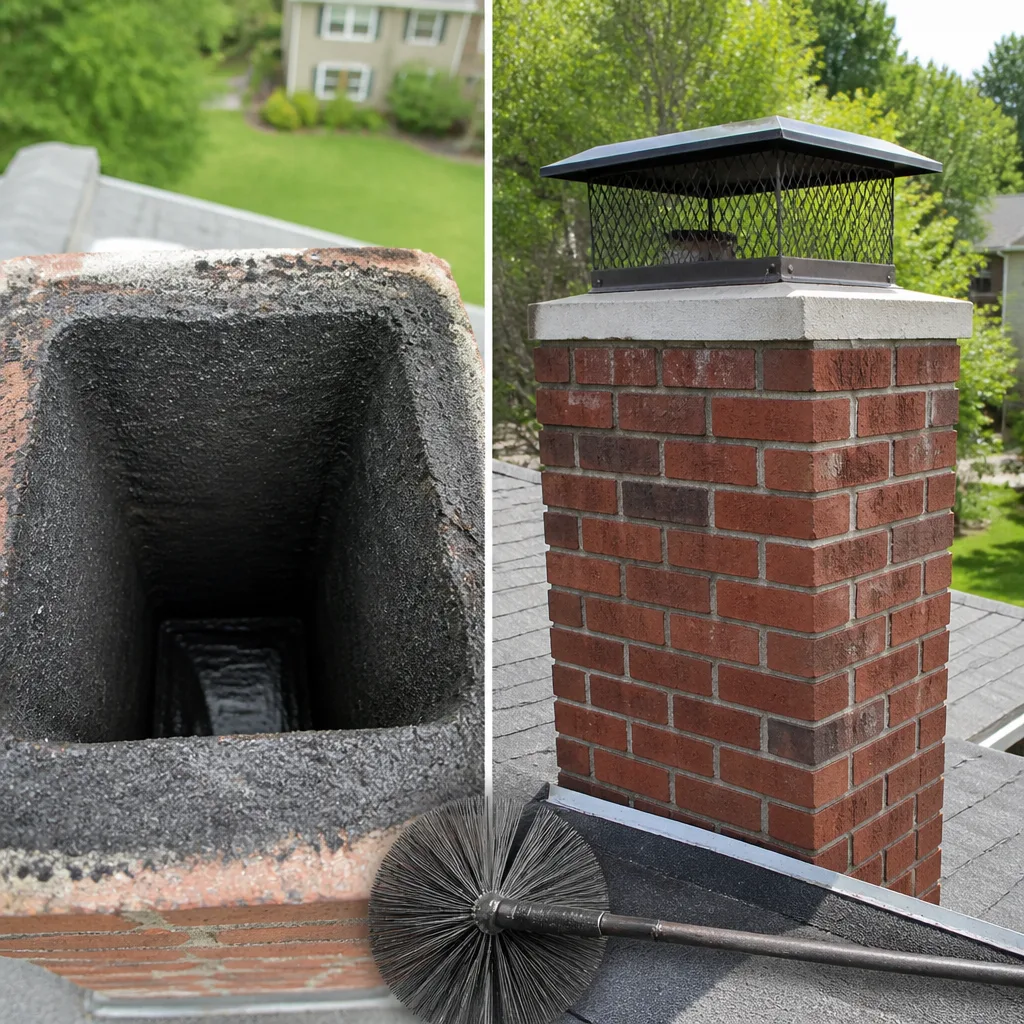 Sweep & inspection
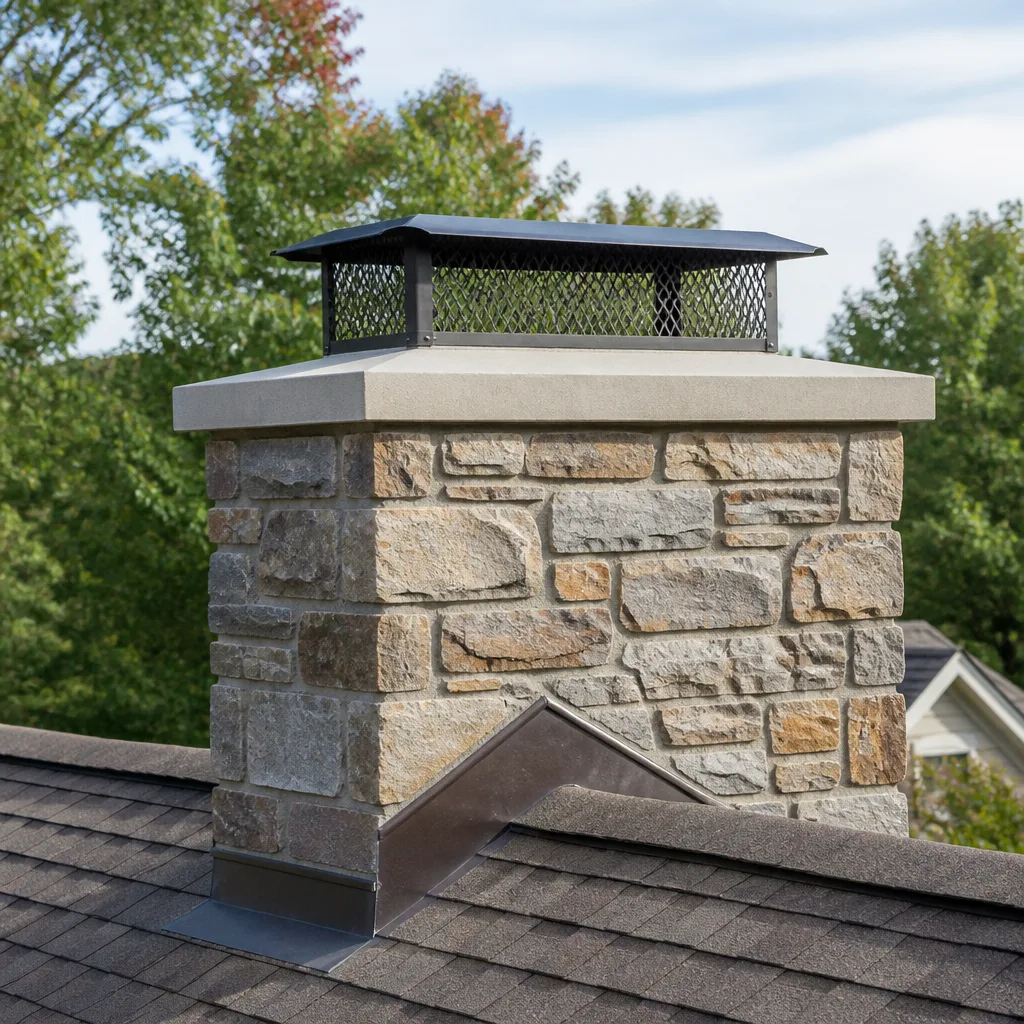 Caps & crowns
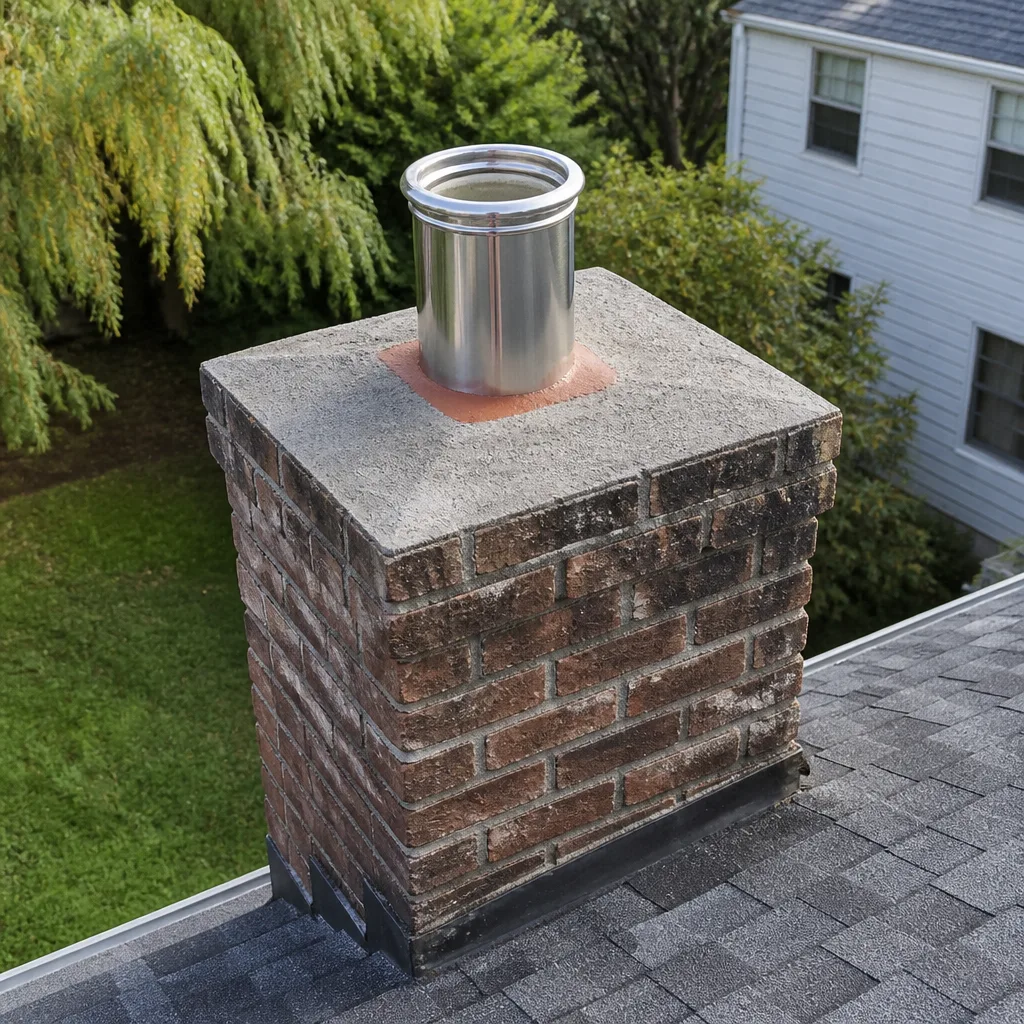 Flue relining
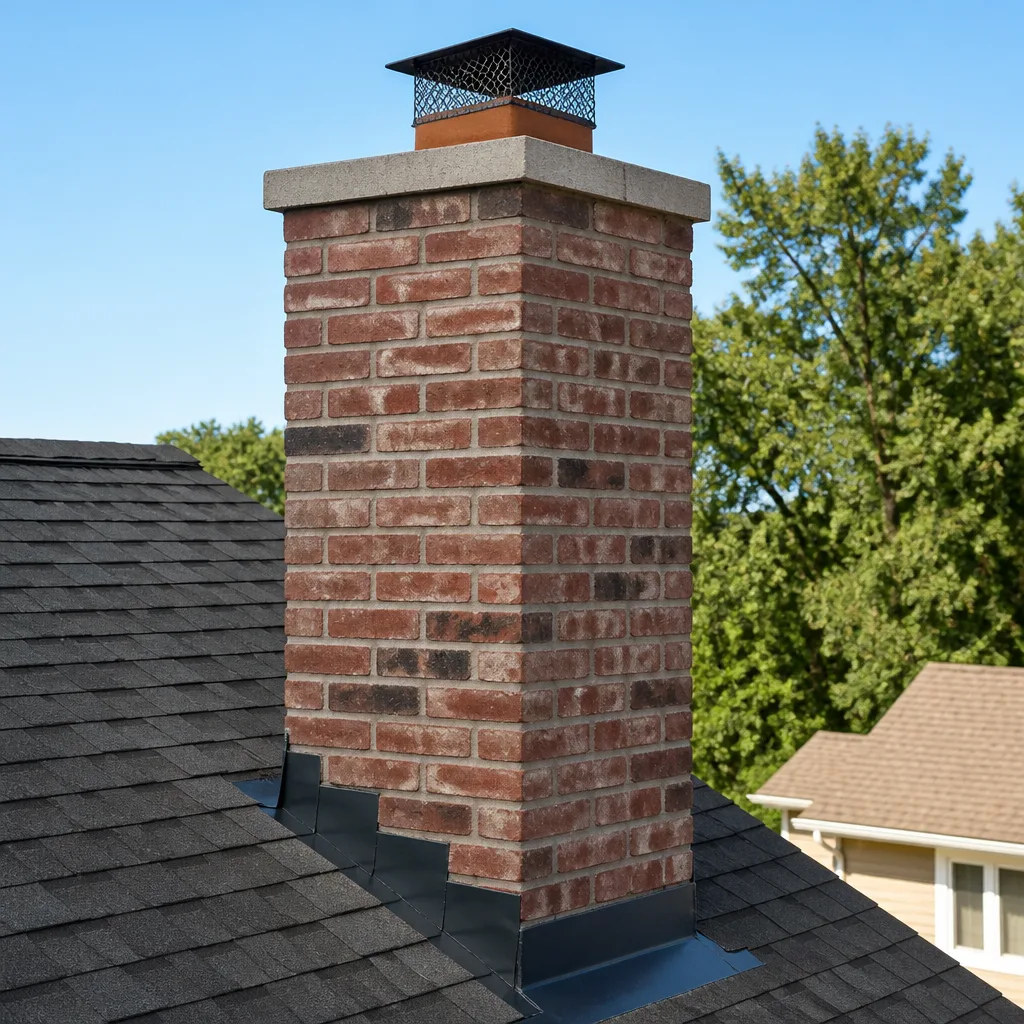 Masonry repair
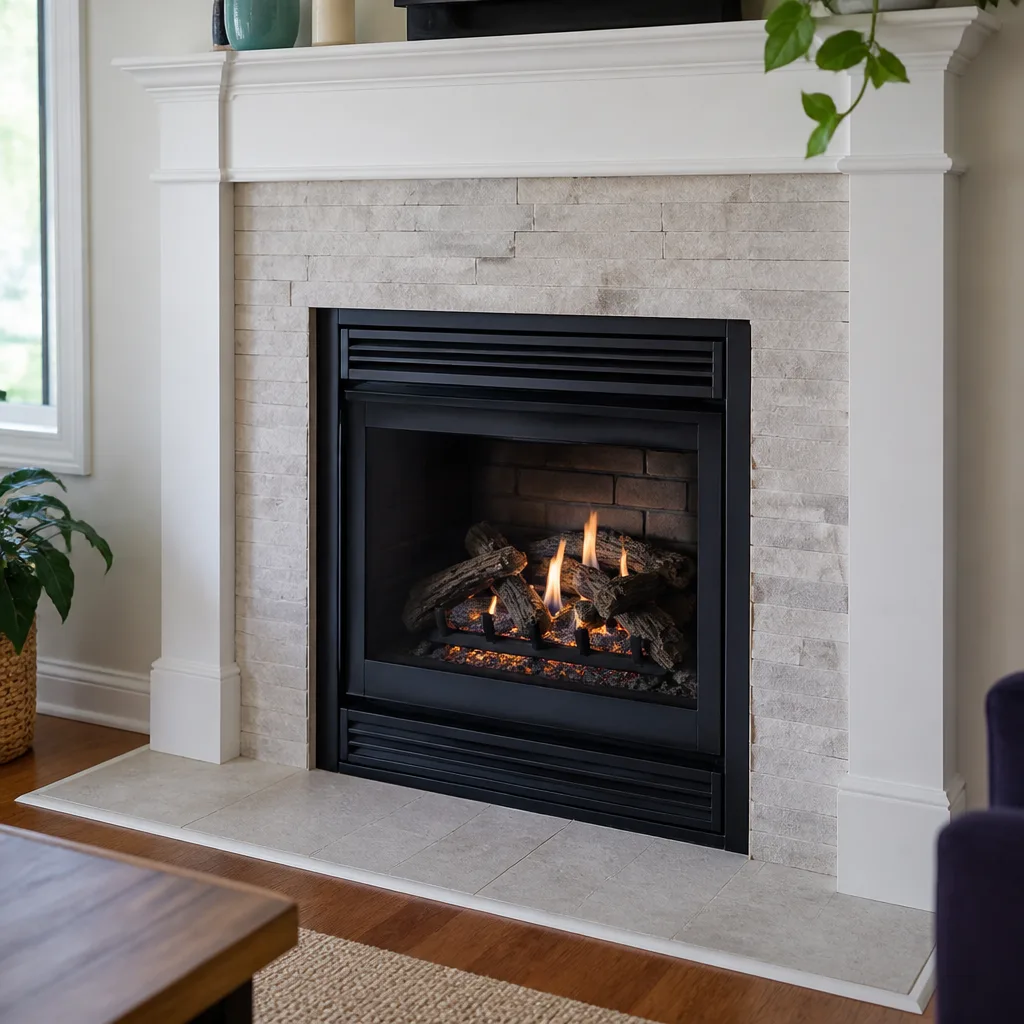 Gas fireplace service
Level 1 sweep and inspection to the NFPA 211 annual standard - flue, crown, cap, and flashing checked and photographed
Chimney sweep logs do not sweep chimneys. They loosen some creosote - which then falls where a brush and vacuum still have to collect it.
Seasonal Chimney Cleaning Care for St. Petersburg: Year-Round Homeowner’s Guide
Waiting until November to think about your chimney is the right instinct in Minnesota. In St. Petersburg, it means you’ve already let six months of humidity, wildlife activity, and storm debris work against your flue undetected. Our summers are long, wet, and wind-driven, and the fireplace sits dark through nearly all of it. That idle stretch is exactly when creosote softens, caps crack, and animals move in. This guide walks through what each season actually does to a chimney in St. Petersburg, what to check and when, and how to schedule service before the first cool night catches you unprepared.
Quick Answer
In St. Petersburg, the most important chimney work happens in the off season, not during it. The humid June-through-September stretch is when moisture, storm debris, and wildlife do their damage, so a spring inspection after the burning window closes and a mid-summer cap and crown check before storm season peaks matter more than a rushed November sweep. Year-round care here means treating the chimney as a structural safety system that needs attention in every season, not just the few months you light fires.
Styles & brands we work with
- Sweep & inspection
- Caps & crowns
- Flue relining
- Masonry repair
- Gas fireplace service
Table of Contents
- Why the Off Season Is the Most Important Season
- What Happens Inside an Unmonitored Flue During the Rainy Season
- Fall Prep for St. Petersburg’s Short Burning Window
- Spring Post-Season Inspection: Why It Matters Even After Light Use
- Summer Cap and Crown Checks Before Storm Season Peaks
- How to Schedule Around St. Petersburg’s Demand Calendar
- What the Sweep, Inspection, and Repair Actually Involve
- Common Mistakes to Avoid
Why the Off Season Is the Most Important Season
When summer humidity sits in a flue, you get consequences you can’t see from the hearth. Organic debris gathers, moisture migrates into masonry, and the first cool night arrives with problems that built for months. A chimney is a structural safety system. We treat it like one, which is why our advice for St. Petersburg leans hard on the quiet months.
Think about how a fireplace season really runs here. Fires in St. Petersburg generally start in late October and taper off by March, maybe into early April on a cool spring night. That leaves roughly six months of downtime. In that window, three things happen at once:
- Humidity rises and stays high, so any moisture that reached the masonry in spring has time to sit and work its way deeper.
- Wildlife treats a quiet, uncapped or under-secured flue as prime real estate. Birds, squirrels, and wasps take up residence and build nests. Those nests are combustible, and they block flow.
- Storm activity peaks mid-summer. Wind, driving rain, and debris stress the cap and crown, the two parts that keep water and animals out of the system.
Each of these works harder when the system is idle. During burning season, airflow helps dry the flue and the fire keeps wildlife away. In the off season, the flue is a damp, empty, sheltered column of air, and that is exactly the condition a chimney handles badly. That’s the case for summer being the most important time for proactive maintenance, not a break from it.
What Happens Inside an Unmonitored Flue During the Rainy Season
Florida’s June-through-September rainy season puts a chimney to a slow test. Every rain event that lands on an open or damaged cap sends water down the flue. If the flue is lined and the cap is intact, most of it rolls off. If either part is compromised, water finds mortar joints, cracks in the crown, and the top of the liner. Wet masonry doesn’t dry out fast in humidity the way it does in a dry climate. It stays damp, and damp mortar weakens.
Here’s what we look for when we open up a flue after a wet St. Petersburg summer:
- Soft or crumbling mortar at the crown and at the top of the flue, which is where rain lands first.
- A cracked, spalled crown that has begun to hold water instead of shedding it.
- Rust on a metal liner or on the damper, which tells you water is getting past the cap.
- Nests and debris that settled during the quiet months. Debris near the top reduces draft and gives embers something to catch.
- Staining down the masonry or inside the firebox, which points to a leak that started seasons ago.
None of that is visible from the living room. That’s why the sweep at the end of the season and the check before storm season are both part of the calendar, not a single annual afterthought. Catching a collapsing crown in June is a small repair. Finding it in November, after five months of rain on top of it, often isn’t.
Fall Prep for St. Petersburg’s Short Burning Window
Fall is when the system returns to work, and the goal is simple: know exactly what’s inside your flue before you light the first fire of the season. Because the burning window here is short, you want the hours you do light up to be efficient and safe, not hopeful. A sweep and inspection before the first cool night fixes both concerns.
Fall prep for a St. Petersburg fireplace is straightforward, and it goes best in this order:
- Get a sweep and inspection done while it’s still warm outside, before the November rush. Nobody wants a second, panicked call the week the weather turns.
- Confirm the cap is secure and sound. This is the single part that keeps water and animals out, and after a storm season it deserves a look.
- Check the crown for cracks and loose mortar, since a warm, wet summer is the harshest test it gets.
- Clear the firebox and check the damper opens and closes cleanly. A stuck-open damper during burning season bleeds heat up the flue.
- Bring in dry, seasoned wood. Wet wood makes creosote faster, and creosote is the fuel in most chimney fires.
If the inspection turns up a problem, and it’s a masonry-liner issue, resurfacing with HeatShield can bring the liner back into service without tearing out the whole flue. If a liner is past saving, a reline with DuraFlex is the other path. Either way, you want those decisions made in September, not the night before Thanksgiving. From fall on, the goal is simple: know exactly what’s inside your flue before you light the first fire.
Spring Post-Season Inspection: Why It Matters Even After Light Use
A spring inspection matters after a light season because the winter’s creosote, the spring’s moisture, and whatever settled during the downtime all need to be found before summer heat sets them in. A St. Petersburg fireplace often sees modest use, so it’s tempting to think a light season means a free pass. Our experience says otherwise.
The reason is timing. Creosote starts soft and stays that way for a while, so a spring sweep clears it before summer humidity softens and re-wets what’s left. What doesn’t get cleared hardens into glaze, which is much harder to remove later and is the most combustible form. A light-burning winter doesn’t make a chimney immune. It just changes the amount.
The spring visit does two things at once:
- It closes out the burning season by clearing what the winter deposited, while the deposit is easiest to remove.
- It opens the off season with an honest account of the system before the wet months begin, so any needed chimney repair can be planned now and done before fall.
That’s not a sales pitch for more work. On plenty of St. Petersburg chimneys, the spring report comes back clean or with minor items that can safely wait. On others, it catches a failing crown or a damper with rust on it early, which is the cheapest moment to fix either issue. Both outcomes are useful. The point is that you know, not that you hope.
Summer Cap and Crown Checks Before Storm Season Peaks
A summer cap and crown check is the piece St. Petersburg homeowners most often skip, and it’s the one that protects everything else. The cap is the lid on your chimney. The crown is the sloped concrete or masonry surface around the flue that sheds water away from the stack. When those two are sound, water and animals bounce off. When either one fails, the flue takes the full summer’s rain.
The mid-summer check is about timing more than complexity. Peak storm winds are coming, and the cap and crown are the parts they’ll hit first. A cap that took a beating in a spring storm, or a crown with a hairline crack, is a thing you want to find in June. Checking it in October means a full summer of water has already been on it.
This visit doesn’t need to be long or complex. It’s a structured look at the top of the system:
- Inspect the cap for looseness, missing fasteners, bent mesh, or gaps in the housing.
- Check the crown for cracks, flaking, or a spot where water pools instead of draining.
- Confirm the flue tile or liner terminates cleanly and is free of debris at the top.
- Note any staining on the exterior masonry that points to water finding a path in.
When a cap or crown needs work, it’s a repair we handle directly. A full cap replacement is a small job that prevents water intrusion for years, and a crown repair saves a much larger masonry problem. Catching it in summer is the whole point. The winter calendar here is about building, not repairing.
How to Schedule Around St. Petersburg’s Demand Calendar
St. Petersburg’s chimney demand clusters tightly. When the first genuinely cool night arrives, the phone volume goes up sharply, and the people who waited join the same line as everyone else. The calendars fill before the weather turns, and scheduling into the crunch is how people end up with no inspection before the season opens. We’d rather you avoid being in that group.
Here’s how we suggest homeowners here plan around the rhythm:
- Late winter: base on the previous season’s numbers and call as soon as the last fire is out. This is the spring inspection.
- June: get the cap and crown checked before the worst of the storm season moves through.
- September: book the fall sweep and inspection. You want this on the calendar by the end of August, not the first cold snap.
- November: use your fire without worrying, because the season’s work is already done.
The point isn’t that everyone needs every visit. It’s that the visits that matter land before the demand squeeze, and a chimney in St. Petersburg has two of them: spring and late summer. A sweep in November still works, but the person scheduling in September gets their choice of days. And a cracked crown found in September gives you time to fix it without lighting fires around a repair. If the flue needs a reline, that’s a DuraFlex job, and you don’t want to be discovering it the week after the season opens.
What the Sweep, Inspection, and Repair Actually Involve
Our three core services line up with the calendar. A chimney sweep clears what the fire left behind. An inspection tells you what the system is actually doing, including what the sweep didn’t expose. And repair, from a crown patch to a full reline, closes the gap and returns the chimney to safe service. From inspection to repair, one specialist handles it all.
Here’s what each one typically involves:
- Sweep: brush and tool the flue to remove creosote, soot, and debris. We protect the firebox and surrounding area and clean up after. The goal is a clear flue and an honest read on what we found.
- Inspection: a look at the whole system – flue, liner, damper, firebox, crown, cap, exterior masonry, and how the chimney meets the roof. You get a plain report of conditions. We point out what can safely wait and what can’t.
- Repair: the structural and material fixes. Some liners can be brought back with HeatShield resurfacing; others need a new chimney repair liner via DuraFlex. Caps, crowns, dampers, and masonry all fall here.
The materials matter when repairs are needed. We use professional-grade, chimney-industry-specific brands like Copperfield, Gelco, HeatShield, and DuraFlex, not generic off-the-shelf substitutes. That’s a real difference in a climate where a repair gets tested by a wet season before the next burning window. A repair that has to be done twice isn’t cheaper, and it never gets done in the same season. If we recommend work, it’s because the camera and the sweep found it, and we can show you.
Every visit is booked against a written, flat-price estimate set per job, so you know the scope before anyone starts. If something inside the flue is a job for a trained professional, we’re clear with you about it. The one thing we don’t do is start work we can’t stand behind.
Common Mistakes to Avoid
- Waiting for the first cold snap. In St. Petersburg, that puts you in the rush and skips the season that lets problems develop. Book the fall visit in September.
- Skipping a spring inspection because you didn’t burn much. Light use still leaves creosote, and a light-burning winter still ends in a humid summer. The spring visit gets it while it’s soft and sets the tone for the off season.
- Leaving the cap for the off season. A cracked or missing cap lets in rain and animals all summer, which is the exact damage you’re trying to avoid. Check it before the storm window, not after.
- Ignoring the crown because the firebox looks fine. The crown does the water-shedding work, and crown failure is silent from inside the home. It’s worth an outside look.
- Assuming a light season means no sweep. Creosote accumulates regardless of how many fires you lit, and the only way to know the amount is to look. The sweep tells you.
- Using unseasoned or wet wood to stretch a burn. It burns cooler and makes more creosote, which is the opposite of what an efficient short season wants.
- Calling a general handyman for a flue issue. A chimney is its own system, and it needs a specialist with the tools and brands made for it. Generalists don’t carry the chimney-specific materials, and a repair from the wrong materials can fail.
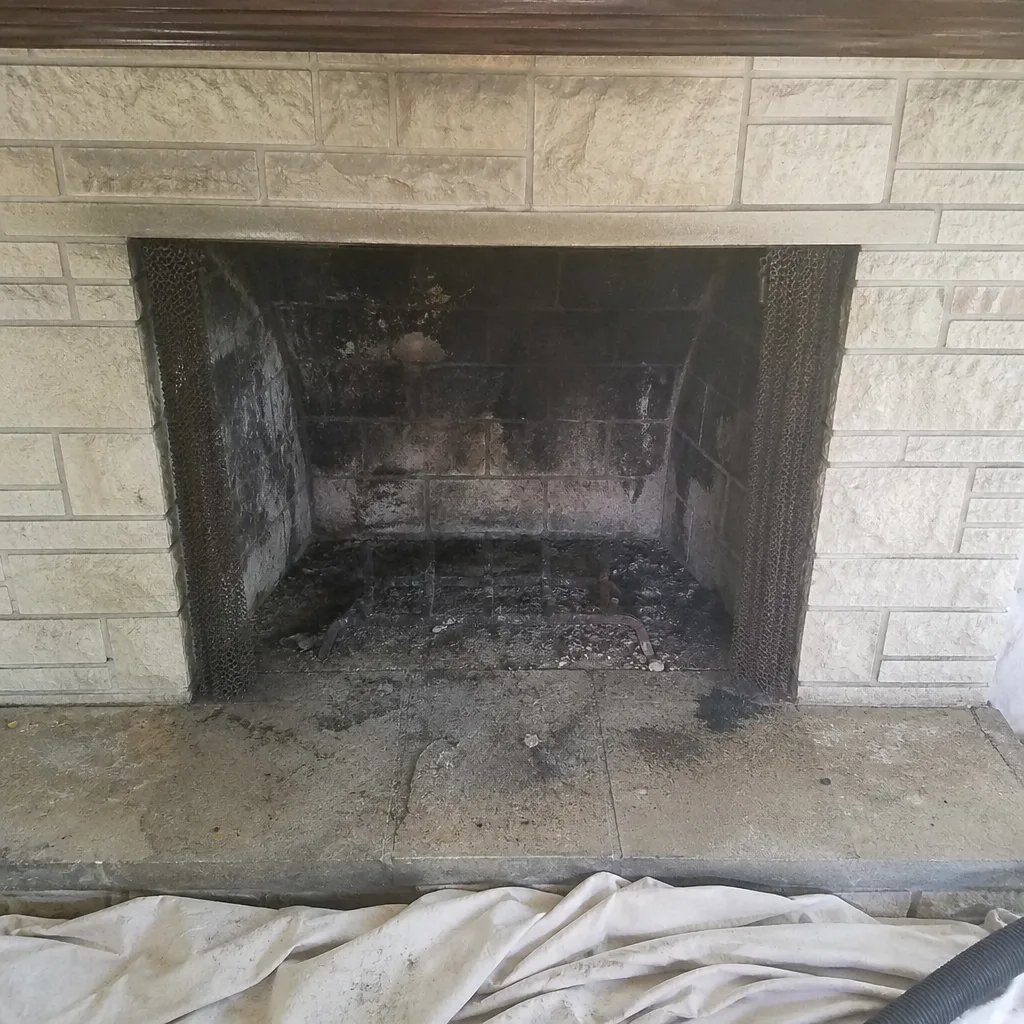
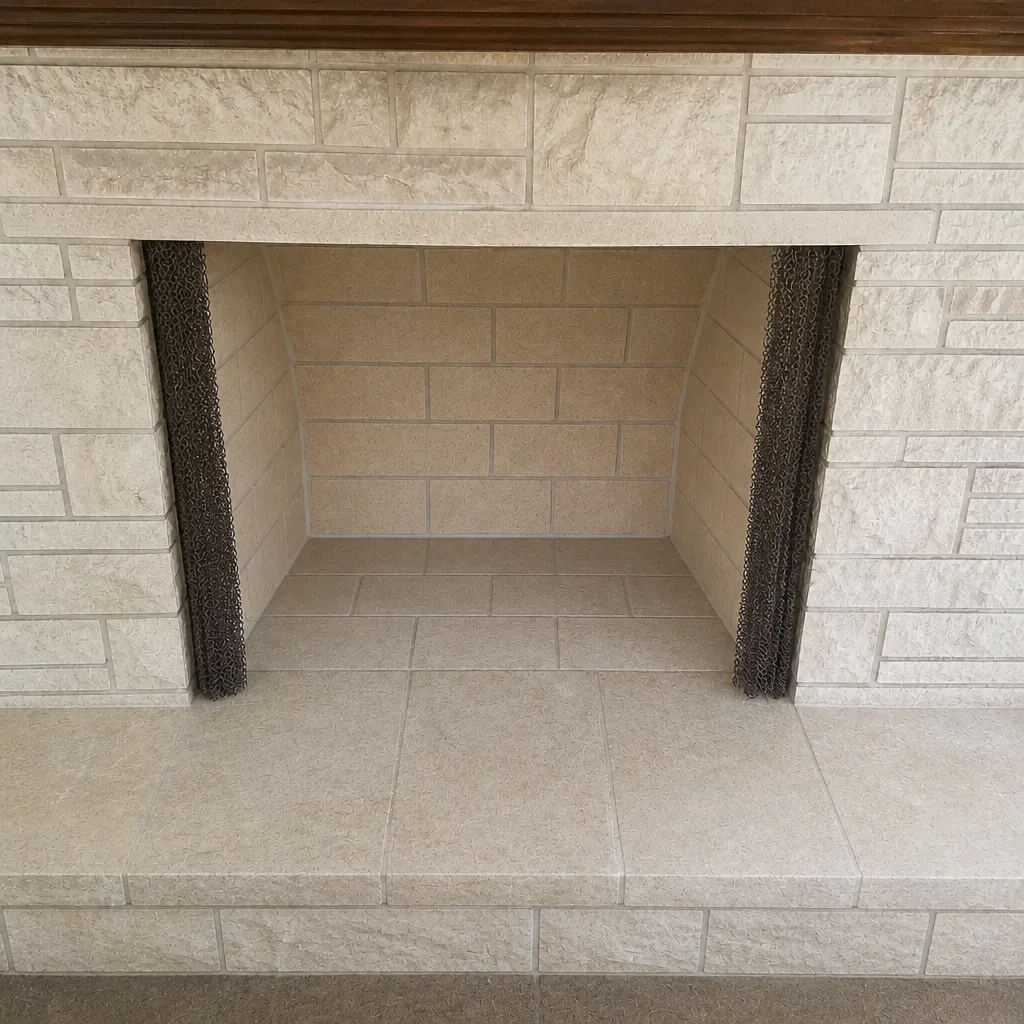
See the difference
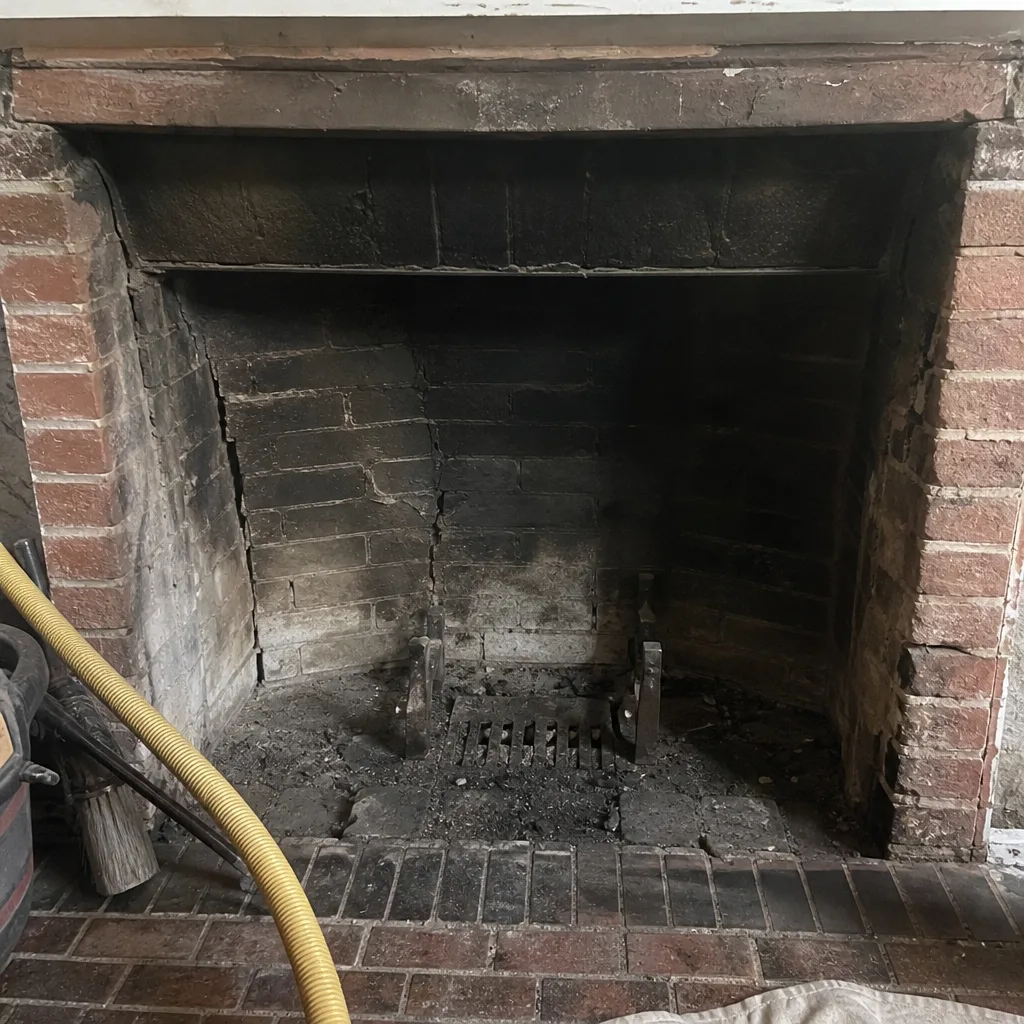 Before
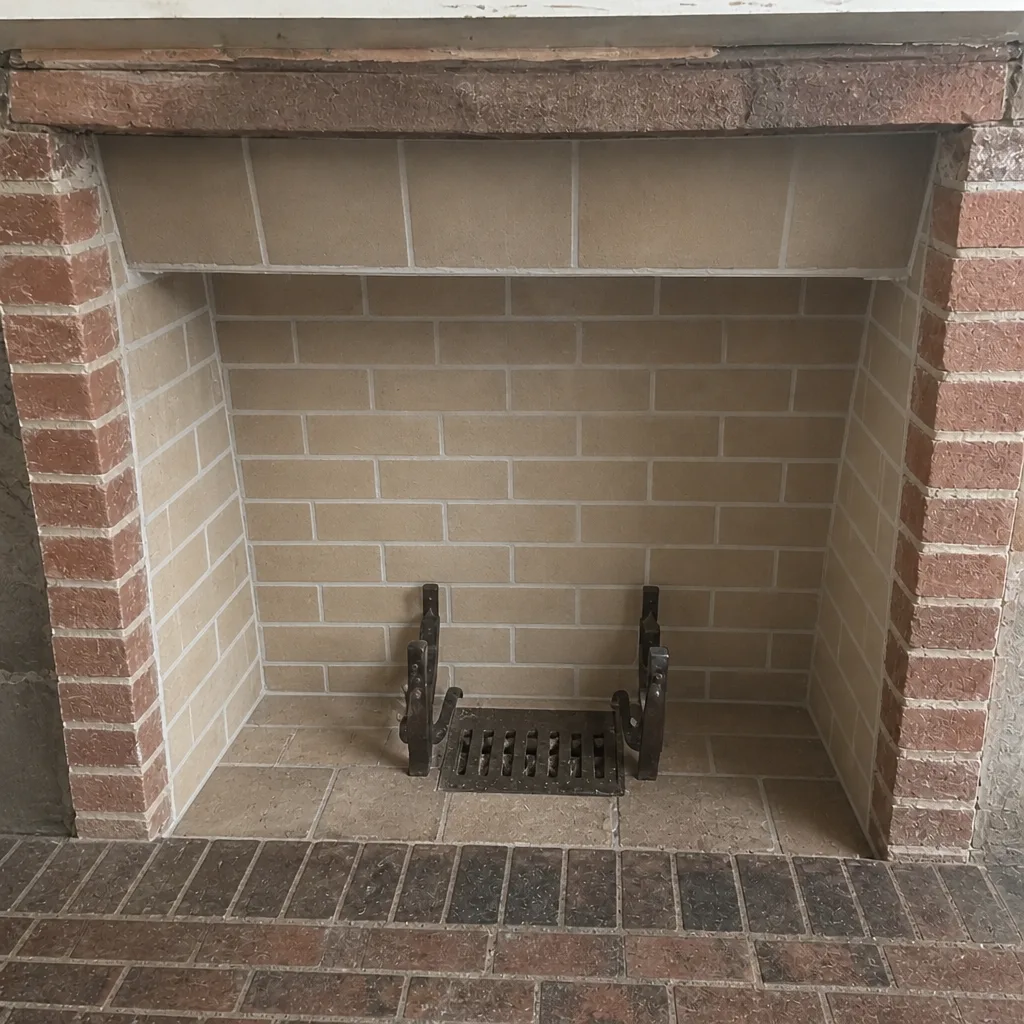 After
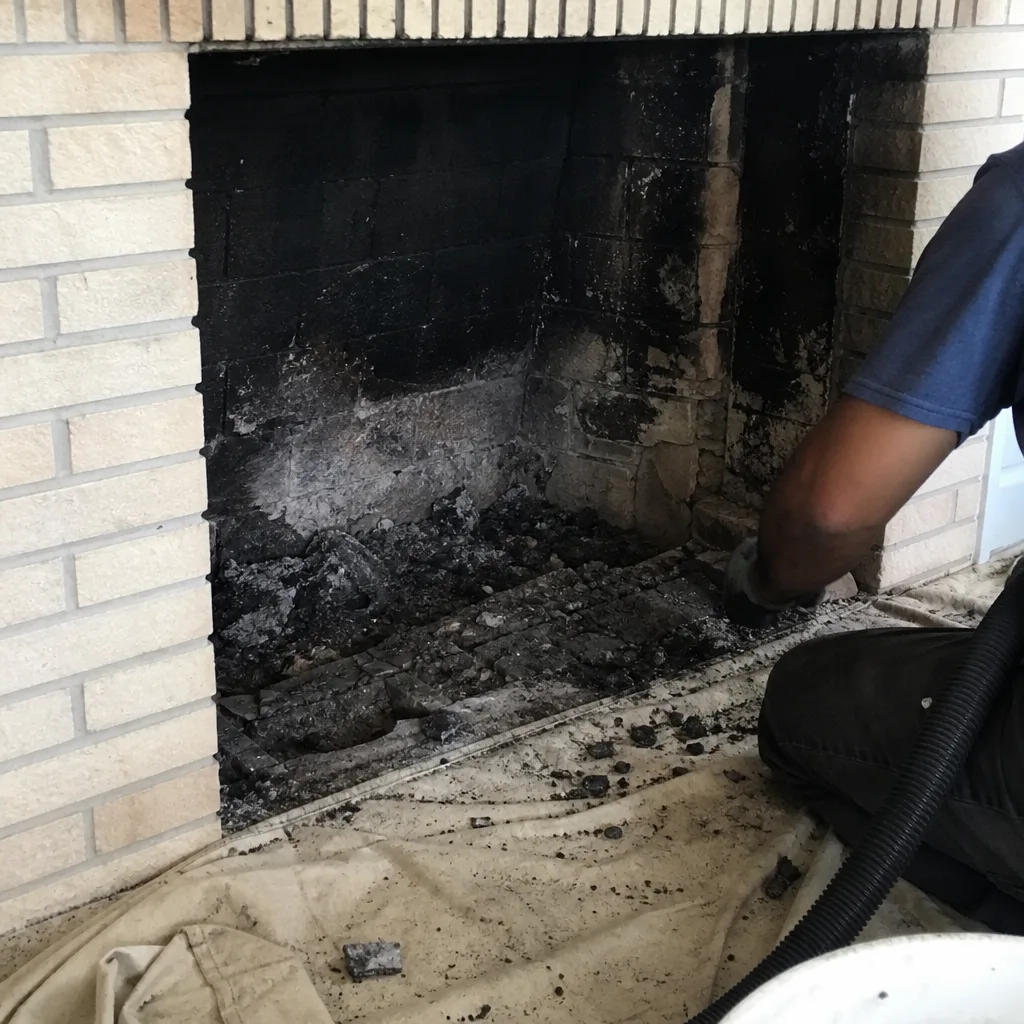 Before
 After
 Before
 After
When to Call a Professional
Call a professional when you haven’t had the system looked at since the last fire, when the cap or crown shows cracks or looseness, or when a fire has behaved oddly – smoke rolling back, a smell that lingers between burns, or a draft that feels wrong. Those symptoms are worth a look, not a guess. If you’re buying a home in St. Petersburg, a pre-purchase chimney inspection from a specialist gives you a real picture before you sign, not a generalist’s once-over. If the flue needs resurfacing or relining, don’t attempt any part of it yourself; the flue and the firebox are not a DIY zone. Citadel Chimney Cleaning offers free estimates in St. Petersburg – call (833) 467-4164. We answer 24/7, and fast dispatch from 7am to 7pm runs Sunday through Friday, closed Saturday.
Frequently Asked Questions
Sweep once a year, timed to the end of your burning season, and add a cap and crown check before storm season. In St. Petersburg, that means a spring sweep and inspection after the last fire, plus a mid-summer look at the top of the system. If you burn heavily, a second sweep mid-season is worth considering. Call (833) 467-4164 for an exact quote and a free estimate.
Yes, because the off season is when most of the damage happens here, not during the fire. Even light use deposits creosote, and a quiet summer flue is where moisture, animals, and storm debris collect. A spring inspection catches those before they cost more to fix. Call (833) 467-4164 for an exact quote.
Skipping it means a failed crown, a loose cap, or a nesting animal can sit unnoticed through the wet months and get worse. A cracked crown can turn into a masonry repair. A missing cap can mean water in the flue all summer. None of it shows from the hearth. Call (833) 467-4164 and we’ll give you a free estimate and a plan.
Yes, the June-through-September rainy season puts real water stress on cap, crown, and masonry. High humidity means whatever gets wet stays wet longer, and that is what weakens mortar and rusts metal. The mid-summer cap and crown check exists for this exact window. Call (833) 467-4164 to schedule one.
Book your fall sweep and inspection by the end of August, before the first cool night fills the calendar. That’s the single best way to avoid the November crunch. The spring and mid-summer visits can be scheduled a season ahead. Call (833) 467-4164 for an exact quote and a free estimate.
A season of service typically includes a sweep, an inspection, and any needed repair, all handled by one specialist so you don’t coordinate multiple contractors. If the flue needs resurfacing or relining, HeatShield and DuraFlex are the materials we use. Call (833) 467-4164 to book a free estimate.
It can, but the risk is water and structure, not heat. A failing crown or masonry lets moisture into the system all summer, and that damage builds quietly until fall. A summer check is how you catch it in time. Call (833) 467-4164 for an exact quote.
The Bottom Line
In St. Petersburg, the chimney’s hard season is the one when no fire is lit. Summer humidity, storm activity, and wildlife all attack the flue while the fireplace sits idle, so the spring inspection and the mid-summer cap and crown check carry more weight than a panicked November sweep. Fall is about confirming the system is safe for the short burning window, and scheduling early keeps you out of the crunch. Treat the chimney as a structural safety system, not a surface to clean, and let the calendar work for you.
Written by the team at Citadel Chimney Cleaning.