
Last updated November 15, 2026
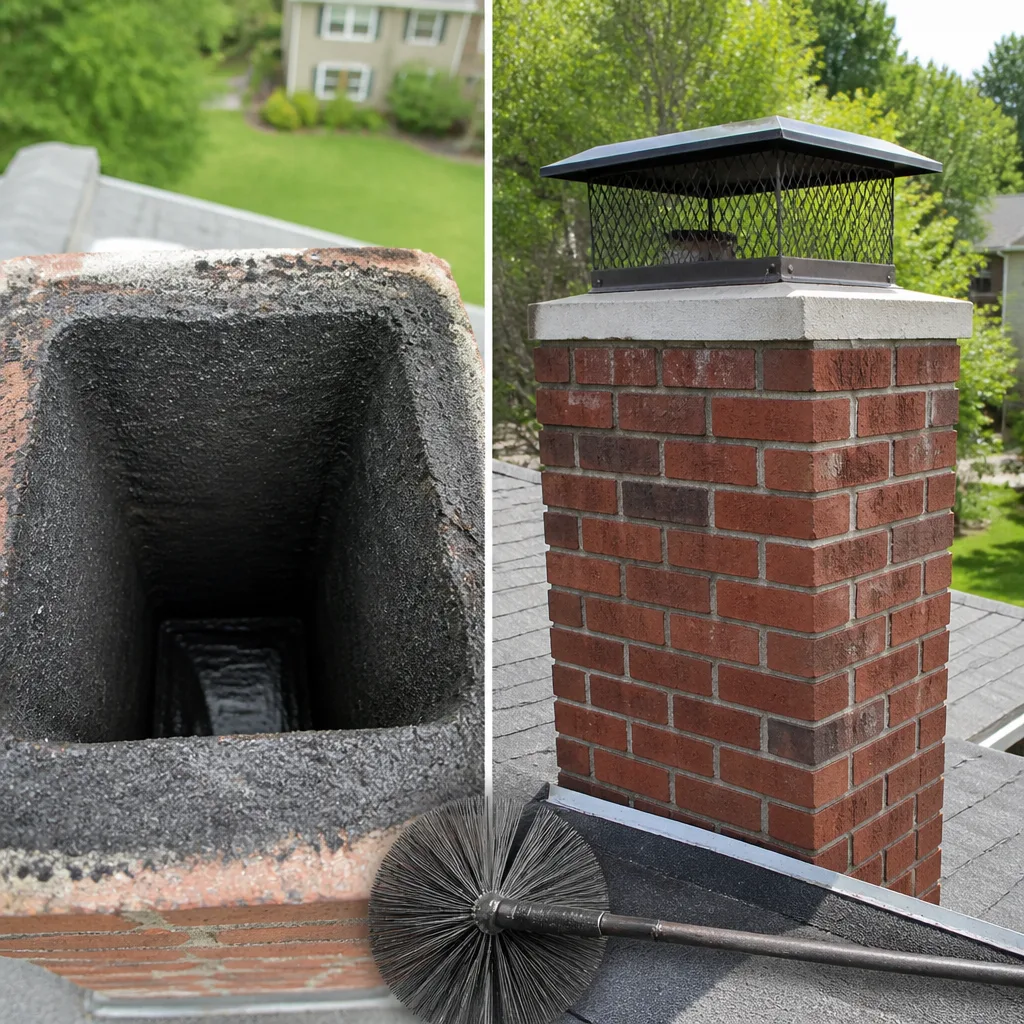 Sweep & inspection
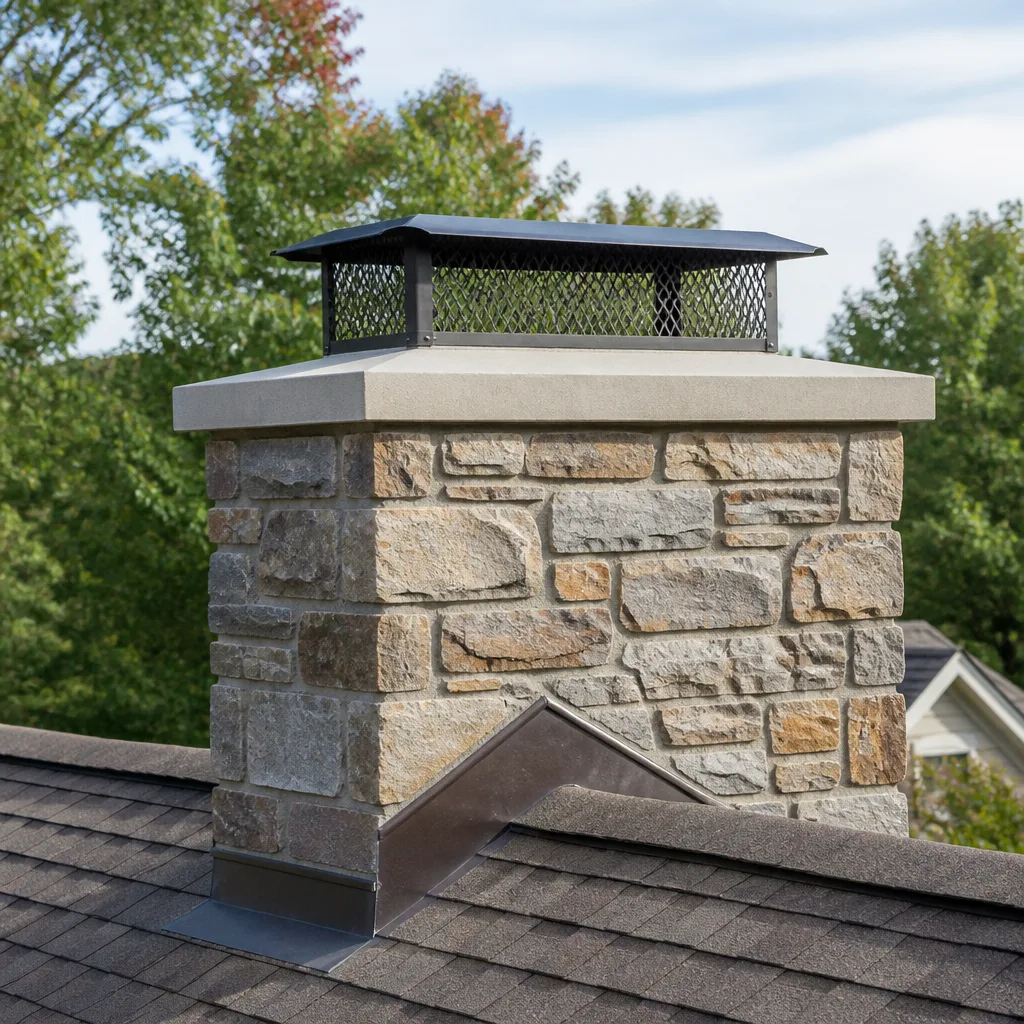 Caps & crowns
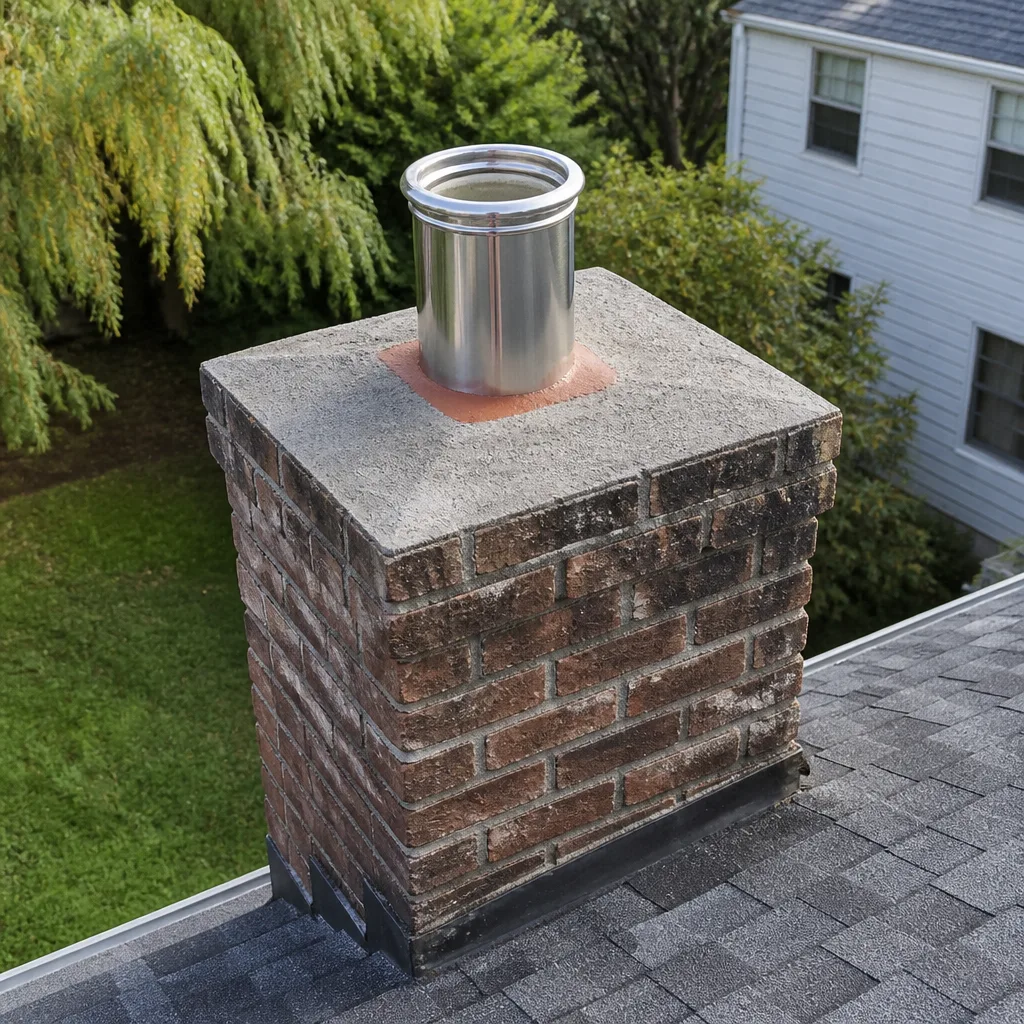 Flue relining
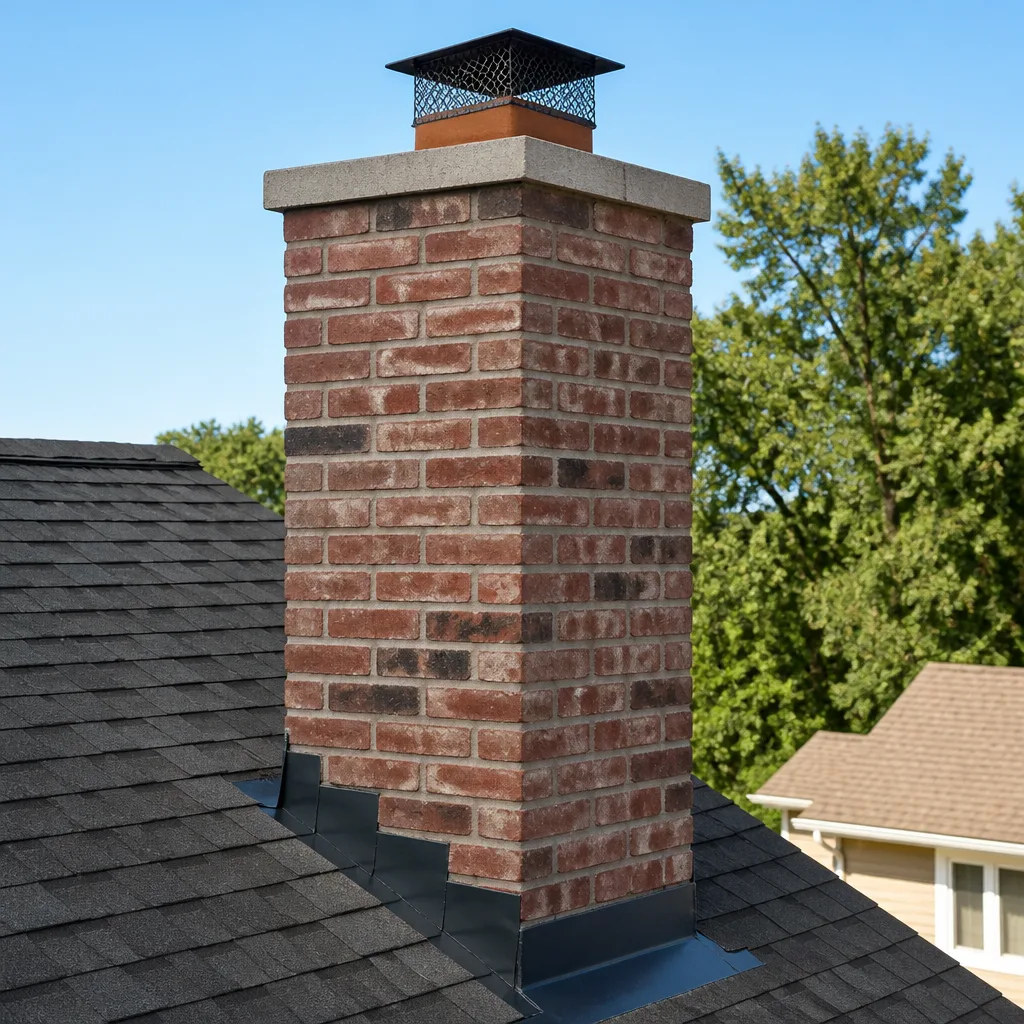 Masonry repair
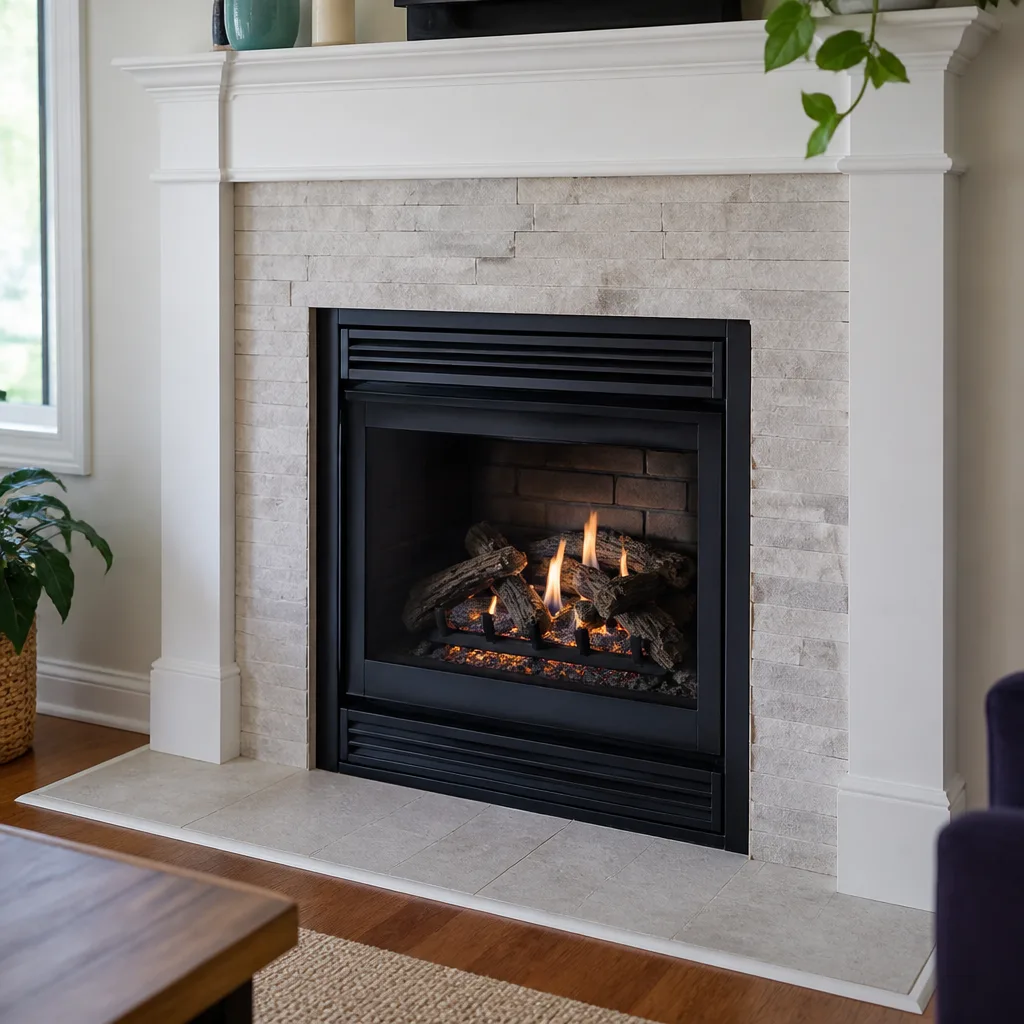 Gas fireplace service
Level 1 sweep and inspection to the NFPA 211 annual standard - flue, crown, cap, and flashing checked and photographed
Chimney sweep logs do not sweep chimneys. They loosen some creosote - which then falls where a brush and vacuum still have to collect it.
Chimney Cleaning Permits, Codes & Inspections in St. Petersburg, FL: What You Need to Know
Here’s the part most homeowners miss: sweeping your chimney and repairing it are governed by completely different rules. A routine sweep needs no permit at all. But the moment a contractor cuts into masonry, installs a liner, or rebuilds a crown in Pinellas County, Florida Building Code requirements apply, and a job done without them can complicate a fire-related insurance claim and surface in a home sale disclosure. This guide walks St. Petersburg homeowners through where that line sits, which inspections code actually requires, and what a written report should contain so you can verify the work for yourself.
Quick Answer
Routine chimney sweeping in St. Petersburg, FL, does not require a permit. Structural chimney work – relining, masonry repair, crown rebuilding, and cap installation that alters the flue system – generally falls under Florida Building Code requirements and typically needs a permit from the City of St. Petersburg or Pinellas County before work begins. A proper inspection follows NFPA 211 and produces a written report you keep, whether you’re buying a home, selling one, or just getting ready for burning season.
Styles & brands we work with
- Sweep & inspection
- Caps & crowns
- Flue relining
- Masonry repair
- Gas fireplace service
Table of Contents
- Where Sweeping Ends and Permits Begin
- What Florida Building Code Section 1001 Covers
- When a Pinellas County or St. Petersburg Permit Is Required
- How NFPA 211 Inspection Levels Line Up With Code
- What “Passing Inspection” Actually Means
- How Unpermitted Repairs Affect Insurance and Disclosures
- St. Petersburg Chimneys: Climate, Housing, and What We See
- Common Mistakes to Avoid
Where Chimney Sweeping Ends and Permits Begin
Sweeping removes creosote, soot, and blockages from the flue. It doesn’t change the structure of the chimney, and no code authority in St. Petersburg asks for a permit to clean a flue. That distinction matters because homeowners often assume that anything a chimney contractor does needs approval, or the reverse – that anything they’ve been told to do is automatically fine without one.
The permit line is set by whether the work alters the chimney as a building component. Cleaning, inspection, and minor maintenance sit on the no-permit side. Work that changes how the chimney performs as a structural and venting system sits on the permit side.
Work that generally needs no permit:
- Routine sweeping and creosote removal
- Level 1, 2, or 3 inspections
- Removing a bird nest, leaf debris, or a fallen cap from the flue
- Replacing a chimney cap with an identical unit
- Minor damper adjustment or hardware replacement
Work that typically requires a permit or code review:
- Installing a new stainless liner or relining an existing flue
- Rebuilding or resurfacing damaged masonry
- Replacing or rebuilding a chimney crown
- Removing or altering any portion of the chimney structure
- Changing the flue size or venting a new appliance
The exact scope that triggers a permit can vary by jurisdiction and by the specifics of your chimney, so we always confirm with the local building department before a structural job is scheduled. That’s part of the job, not an extra.
What Florida Building Code Section 1001 Covers
Florida Building Code Section 1001 addresses chimneys and vents – the requirements for construction, installation, maintenance, and repair of chimney systems. It’s the part of the code that says a chimney is a building element with specific structural and venting duties, not a cosmetic feature attached to a wall.
For homeowners, three parts of the code framework tend to matter most:
- Structural requirements. Masonry chimneys must be built and repaired to code-specified standards. A damaged crown, spalling brick, or failing mortar joint isn’t just cosmetic.
- Venting requirements. The flue must be sized, lined, and vented appropriately for the appliance it serves. A wood-burning fireplace with an improperly sized or unlined flue doesn’t meet the venting intent of the code, and a liner installation must comply with the manufacturer’s listing and the code’s requirements.
- Clearances. Chimneys must maintain required distances from combustible materials. This is why an inspection looking only inside the flue isn’t enough – the accessible portions of the chimney and its clearances matter too.
Code compliance and safe operation are closely related but not identical. A chimney can be code-compliant at installation and still be unsafe after years of creosote buildup or water intrusion. The code protects the structure; inspection protects the household. Both are needed.
When we perform a chimney repair that touches the structure, code compliance is the baseline. Repairs that don’t meet code fail to solve the problem – and the next inspector catches it, whether that’s the city, a home buyer’s inspector, or an insurance adjuster.
When a Pinellas County or St. Petersburg Permit Is Required
Permits for chimney work in St. Petersburg are issued through the city’s building department, or through Pinellas County for properties outside city limits. In practice, the answer to “do I need a permit” is usually “yes” for anything beyond cleaning and inspection.
Here’s how we think about the decision before a job is booked:
- Identify the scope. Is this sweeping and inspection only, or does it involve a liner, masonry, crown, or structural change?
- Check the code requirement. Does the work fall under Florida Building Code Section 1001 or the applicable mechanical or building code?
- Confirm with the jurisdiction. City of St. Petersburg or Pinellas County – and occasionally both, depending on the property.
- File before starting. Permits are applied for before the work, not after. Retroactive permitting is a harder, more expensive process.
- Schedule the inspection. Many permitted chimney jobs require a rough inspection before the liner or masonry is closed up and a final inspection at completion.
The question isn’t whether the work is “minor enough” to skip a permit. It’s whether the code classifies the work as structural or venting-related – and if it does, the permit is required regardless of size. A small liner replacement on a small flue is no different from a full reline in the eyes of the code.
We confirm a permit’s status before scheduling any structural chimney work in St. Petersburg. It protects the owner, protects the property, and keeps the record clean for a future sale.
How NFPA 211 Inspection Levels Line Up With Code
NFPA 211 is the national standard for chimneys, fireplaces, vents, and solid-fuel-burning appliances. It defines three inspection levels, and knowing which one you’re getting is one of the most practical pieces of information you can hold as a homeowner.
Level 1 Inspection covers the readily accessible portions of the chimney and venting system – the firebox, damper, accessible flue, and visible exterior components, typically from the ground or from a ladder. This is the standard inspection for a chimney that has been regularly maintained and hasn’t had any change in appliance or fuel type. It’s the routine pre-season inspection for most St. Petersburg homeowners.
Level 2 Inspection adds a camera scan of the flue interior and inspection of accessible attic, crawlspace, and other concealed areas of the venting system. It’s required when a property changes hands, when the appliance or fuel type changes, when there’s been a chimney fire or a seismic event, or when the chimney has sustained damage. Home sales are the most common reason we hear for a Level 2 in St. Petersburg.
Level 3 Inspection is targeted diagnostic work that may require opening walls, ceilings, or other portions of the chimney’s enclosure. It’s reserved for a specific problem that can’t be diagnosed by lower-level inspection, and it’s not a routine service.
How this maps to code: the code doesn’t mandate that every chimney be inspected every season. It does set the standard of care for what counts as a proper inspection when one is required – and the NFPA 211 levels are the industry’s reference. For insurance claims, home sale disclosures, and post-fire evaluations, a Level 2 is typically the standard asked for.
In our experience, the most common gap in St. Petersburg is a homeowner who’s had “the chimney looked at” and end up with no report. If the inspection didn’t produce a written document, it’s hard to prove it happened.
What “Passing Inspection” Actually Means
“Passing” inspection means different things depending on who’s inspecting. City code inspection, NFPA 211 level inspection, and insurance-driven inspection each define the word differently, and a homeowner who thinks one counts for another can end up surprised at the worst possible time.
A passing code inspection means the permitted work was installed to the code the permit was issued under. The city inspector is confirming compliance with a specific scope of work. They are not certifying that the chimney is clean, safe to operate, or free of creosote buildup. A chimney that passes a code inspection can still need sweeping before the next fire.
A passing NFPA 211 inspection means the accessible portions of the chimney and venting system were examined and found to be in acceptable condition under that standard. It’s a condition assessment, and its content depends on which level was performed.
A passing insurance inspection is defined by the insurer’s criteria, which we don’t see, and it may involve photographs, documentation, or specific measurements that go beyond the other two.
A written inspection report should document, at minimum:
- The date and the level of inspection performed (Level 1, 2, or 3)
- The appliance and fuel type served by the chimney
- Condition of the flue interior, including the liner if one is present
- Condition of the firebox, damper, smoke chamber, and crown
- Exterior condition – brickwork, mortar joints, cap, and flashing
- Presence and extent of creosote or soot deposits
- Whether clearances to combustibles were accessible to inspect
- Deficiencies found, with severity, and recommended action
- Photographs or camera footage of what was seen, so the homeowner can review it
If the report you receive doesn’t contain those items, it isn’t a report – it’s a receipt. Ask for the document. If a chimney contractor recommends thousands of dollars of liner or masonry work, they should be able to show you exactly what they saw and explain why the work can’t wait. Sometimes it can. We say so when it’s true.
How Unpermitted Repairs Affect Insurance and Home Sale Disclosures
Unpermitted chimney repairs don’t just risk a fine from the city. They can create a coverage question on a fire-related insurance claim and a disclosure obligation at the time of sale, and both situations are expensive to resolve after the fact.
On the insurance side: homeowners policies generally contain language about permits, code compliance, and unrepaired or improperly repaired conditions. If a chimney fire or a carbon monoxide event traces back to work that was done without the required permits, the insurer may investigate whether the loss arose from a code violation. We don’t underwrite policies and we don’t promise outcomes – what we do see is that clear, permitted paper makes any claim easier to handle. Call your insurer for the specifics of your policy.
On the sale side: Florida real estate transactions typically include a seller’s property disclosure covering known defects and unpermitted work. Chimney work that wasn’t permitted is exactly the kind of item that shows up in a buyer’s inspection and puts a sale at risk. Buyers often ask for a Level 2 chimney inspection as a condition of purchase. If a permit trail doesn’t exist, the buyer’s contractor finds the gap and the negotiation resets.
For buyers: a pre-purchase inspection from a chimney specialist is worth more than a generalist’s once-over. A general home inspector will note a chimney exists and flag what’s visible, but a Level 2 inspection with a camera and a written report tells you what the flue actually looks like before you sign. If the seller can’t produce a permit for work done to the chimney, ask questions now, not after closing.
As a company, we can work with your insurer and provide the documentation they request. We can’t promise what a specific carrier will decide.
St. Petersburg Chimneys: Climate, Housing, and What We See
St. Petersburg’s climate shapes how chimneys age in ways that matter for code compliance and inspection. Our winters are mild and wood-burning seasons are short, but the humidity here is high, and a chimney that’s used lightly but sits in humid air for most of the year behaves differently than one in a colder climate.
What we see in St. Petersburg chimneys falls into a few patterns:
- Light use, heavy moisture. A chimney that gets a fire on the coldest handful of evenings a year can have a creosote layer that never fully dries out. That’s not a crisis, but it does mean inspection matters more than annual burning hours would suggest.
- Chimneys on older bungalows and mid-century homes across neighborhoods like Kenwood, Crescent Lake, Historic Uptown, and the Old Northeast often show their age at the crown and mortar joints before the flue interior. Water gets in at the top and works its way down.
- Chimneys added or altered without permits are more common than homeowners expect. A cap swap becomes a flue modification, or a “small” masonry repair turns into a rebuild without paperwork. We find these on inspection and have to explain that we can’t simply rubber-stamp what’s already there.
- Wood-burning stoves on properties that also have fireplaces raise flue-sizing questions. A flue sized for one appliance isn’t automatically correct for the other.
The inspections we run reflect the local picture. Our technicians have up to 11 years of experience, and a Level 2 inspection with camera documentation is what we recommend for any home changing hands in St. Petersburg, any chimney being used after a long idle period, and any chimney where the record is unclear. If you’re new to the property and don’t know what’s been done, start with an inspection. From there, a chimney sweep and any chimney repair follow from what the inspection actually found.
Our repair materials come from established chimney-industry brands, including HeatShield, DuraFlex, Gelco, and Copperfield. Those aren’t generic-substitute lines. Liner resurfacing and relining with HeatShield and DuraFlex is a specific technical capability – it’s the tier of work that most closely touches code requirements around venting and flue integrity. Doing it well is one thing. Doing it correctly under the code is another, and both matter in St. Petersburg.
Common Mistakes to Avoid
- Assuming any chimney service needs a permit. Once a homeowner has been told “no permit needed” for a sweep, some assume the same applies to a reline. Confirm the scope against Florida Building Code Section 1001 and the local jurisdiction before assuming.
- Treating “the city passed it” as “the chimney is clean.” A code inspection confirms the permitted installation complies with the code. It doesn’t remove creosote, and it doesn’t clear the flue for the season’s first fire. Sweeping and code inspection are different tasks.
- Skipping the written report. A verbal “it looks fine” can’t help at closing, at claim time, or when you’re handing the house to the next owner. Always ask for the written inspection report, with photographs.
- Not asking which NFPA 211 inspection level you’re getting. A Level 1 is appropriate for routine inspection; it’s not the same as a Level 2 for a home sale. The cost and the depth of what’s found differ.
- Letting unpermitted work ride into a sale. In St. Petersburg, a buyer’s inspector will find it. Disclose and address it before the contract clock runs, not after.
- Approving a large repair on a verbal recommendation. Ask what was found and ask to see it. If a chimney professional can’t show the deficiency on camera, insist. It’s not confrontational, it’s the point of a camera inspection.
- Assuming a short burning season means no maintenance. Chimneys in St. Petersburg sit through long humid months between fires. Creosote and moisture don’t take a season off.
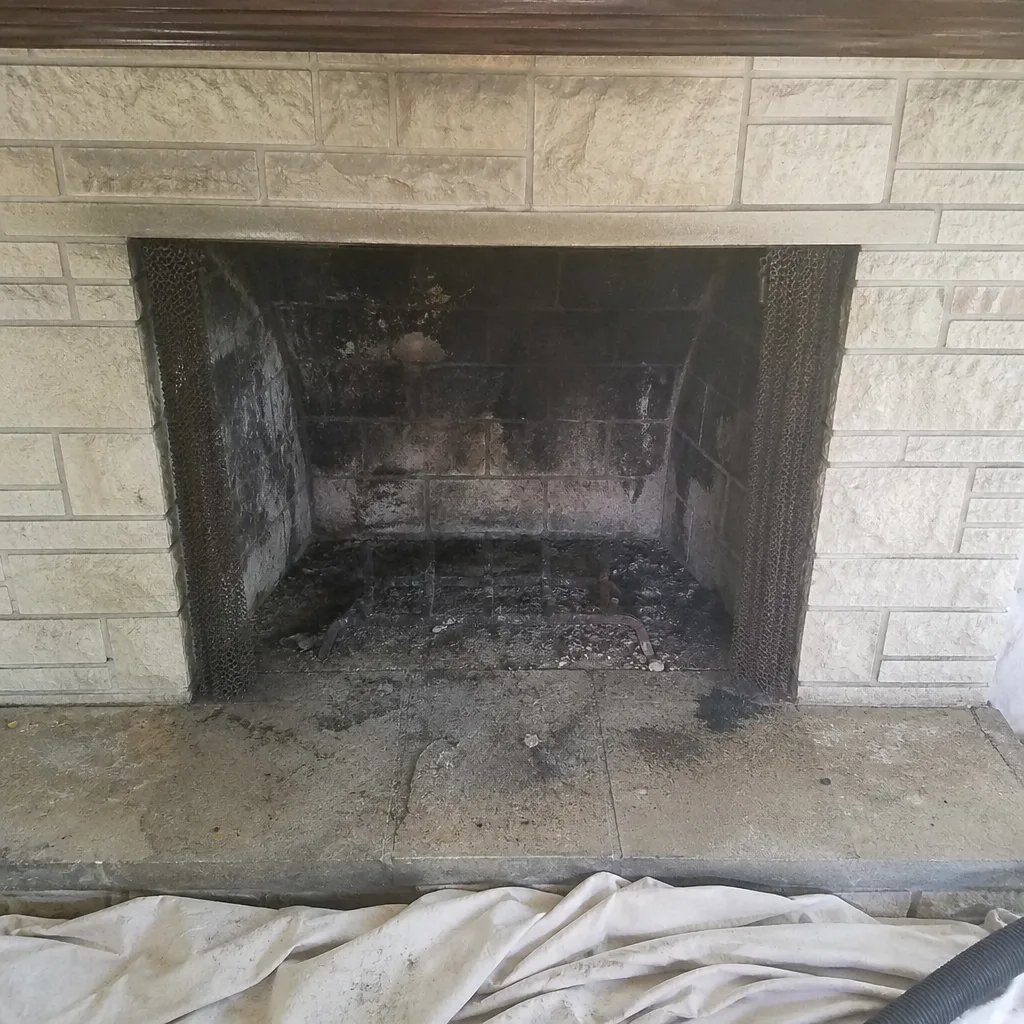
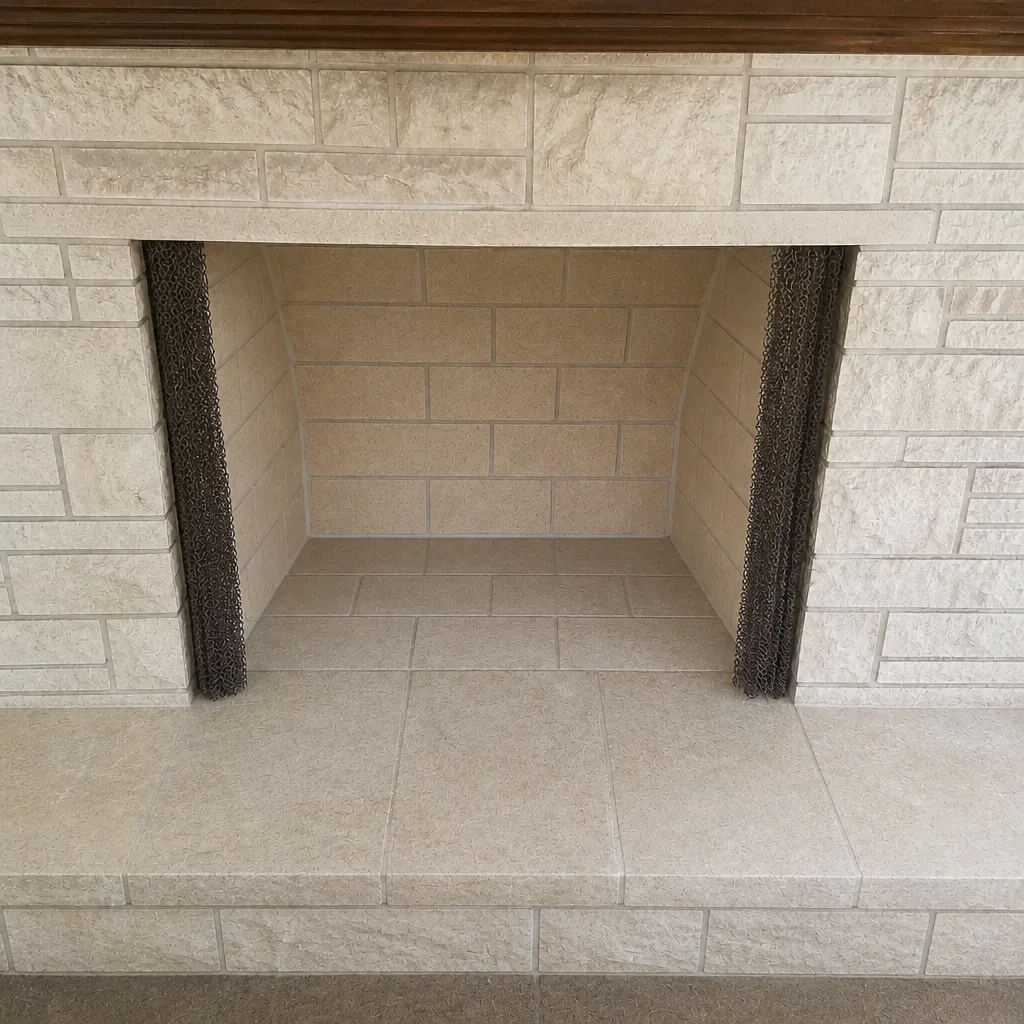
See the difference
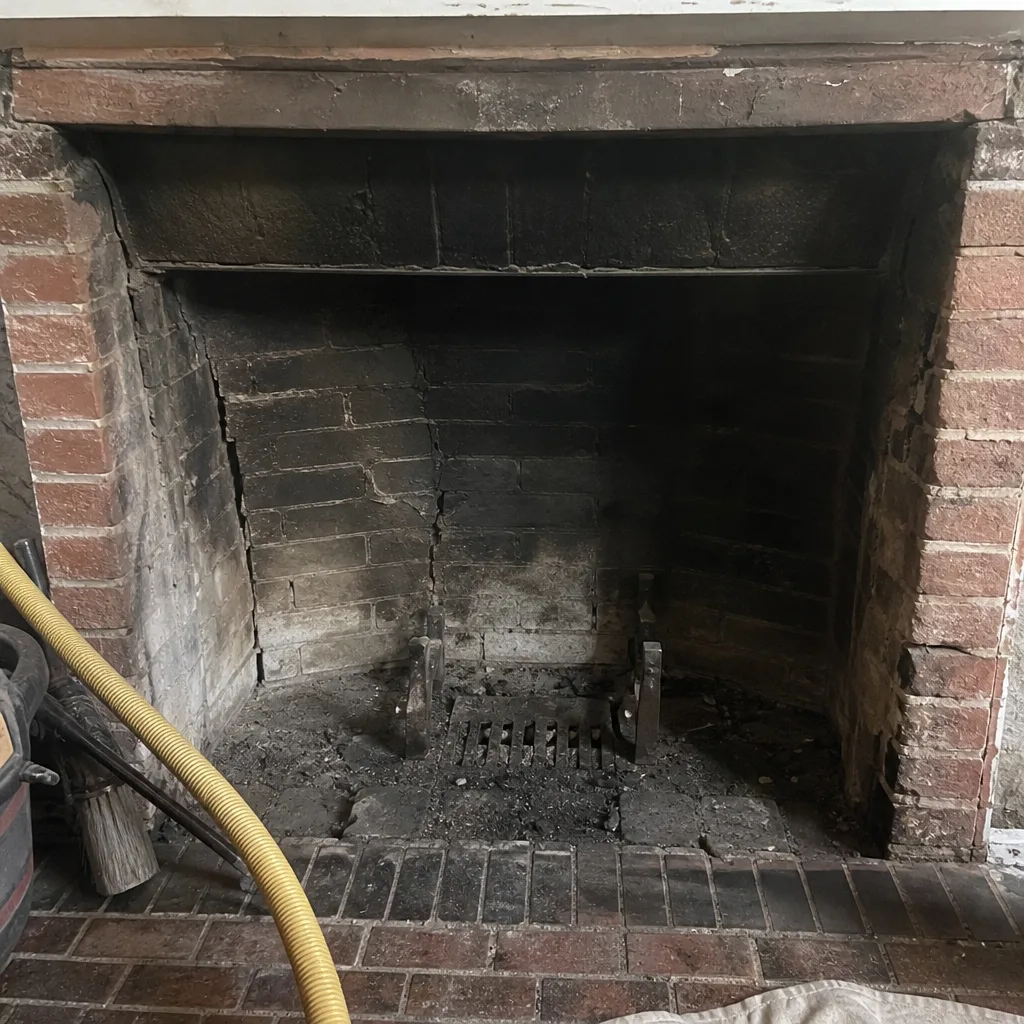 Before
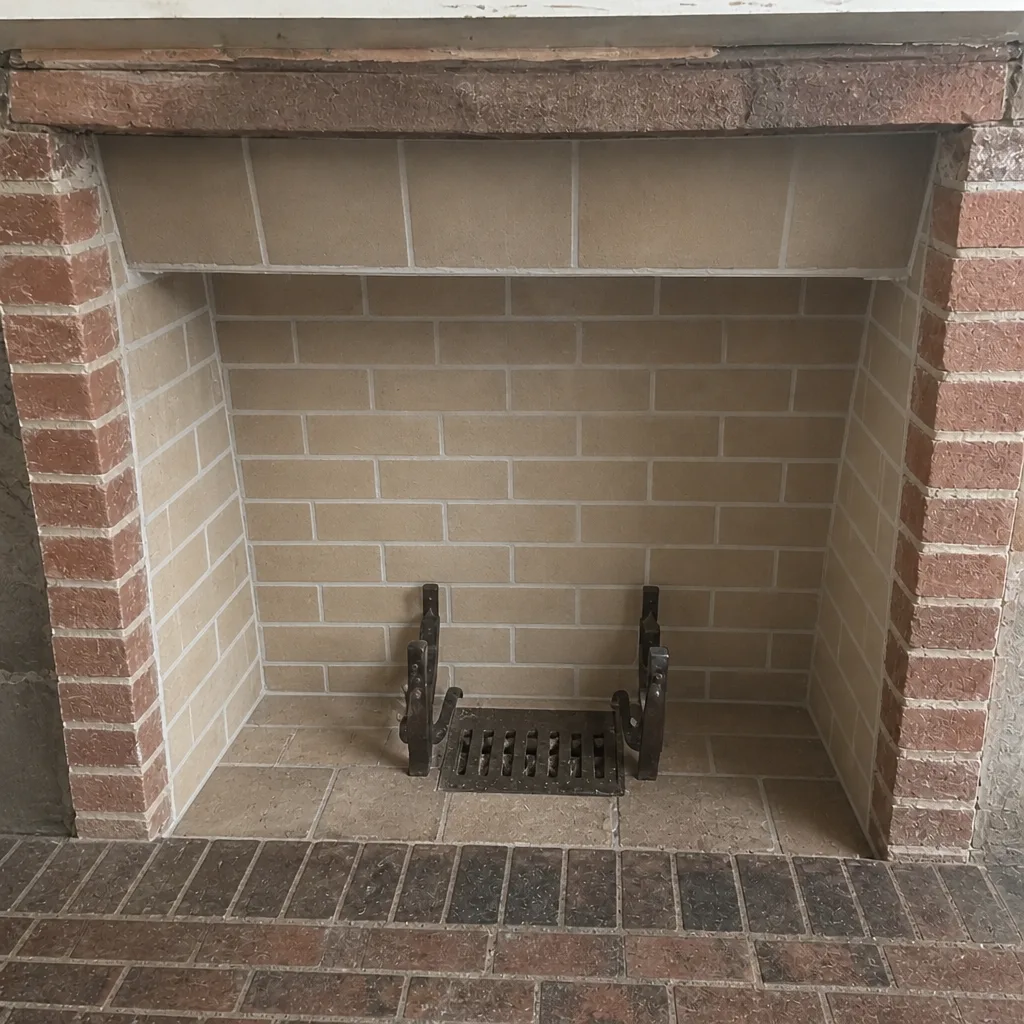 After
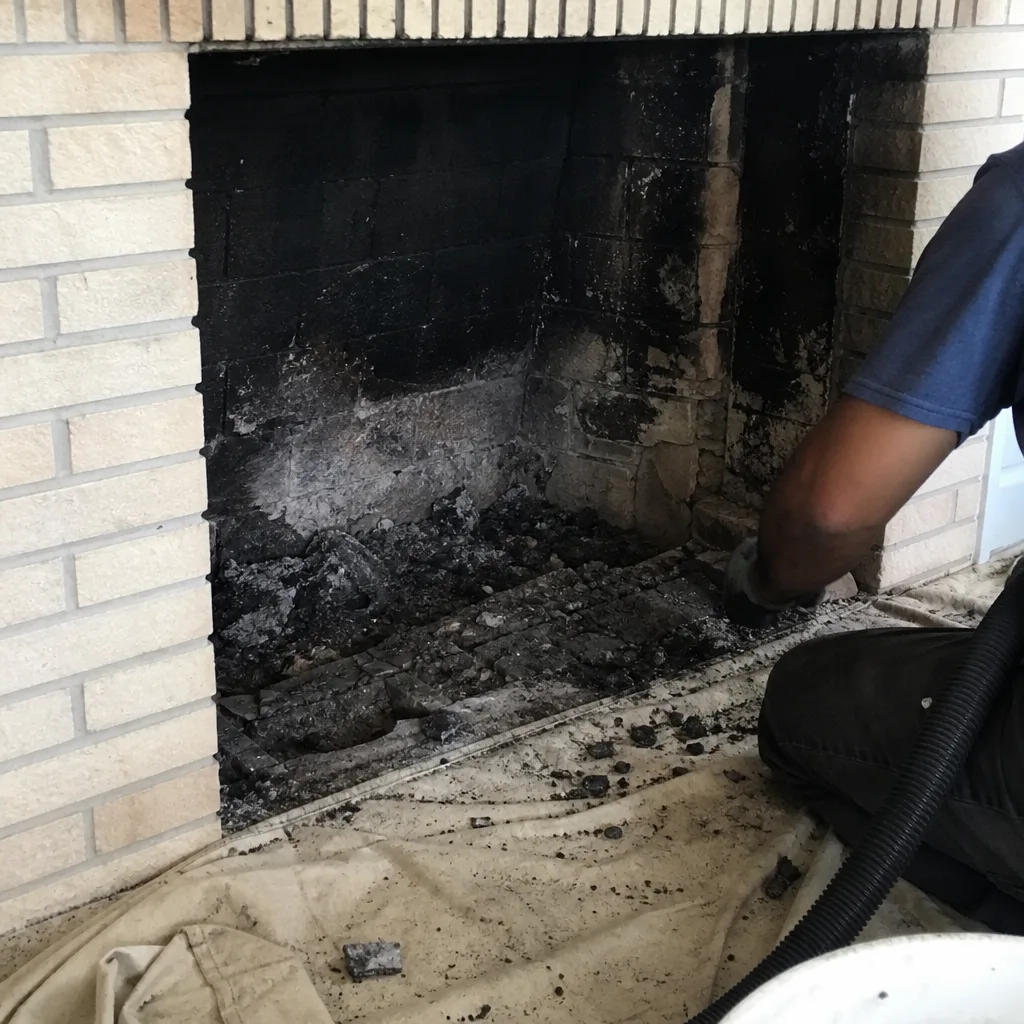 Before
 After
 Before
 After
When to Call a Professional
Call a chimney professional when you don’t know the last time the chimney was inspected. Call before you light the first fire of the season if the chimney hasn’t been swept in a year or more, if you’ve moved into a home in St. Petersburg and don’t have a service record, or if you’re buying or selling and need a Level 2 with a written report. Call if you see spalling brick, rust stains, cracked mortar, a tilted cap, or any sign of moisture in the firebox. Call if smoke comes back into the room, if a wood stove or insert was installed without documentation, or if a previous contractor’s work has no permit trail. In any of those situations, an inspection is a reasonable next step, and sometimes the answer is that nothing needs doing yet. Citadel Chimney Cleaning offers free estimates in St. Petersburg – call (833) 467-4164.
Frequently Asked Questions
No. Routine chimney sweeping in St. Petersburg requires no permit. Sweeping removes creosote and debris from the flue; it doesn’t alter the chimney structure, so it falls outside the permit requirements that apply to structural and venting work. Call (833) 467-4164 for an exact quote – estimates are free.
Work that changes the chimney as a structural or venting system usually requires a permit, typically through the City of St. Petersburg or Pinellas County. That includes installing a new liner, rebuilding damaged masonry, replacing a crown, removing a portion of the chimney, or changing the flue to vent a different appliance. We confirm the requirement with the local building department before scheduling any of those jobs. Call (833) 467-4164 to talk through your scope.
A chimney sweep cleans; an inspection assesses. The sweep removes creosote, soot, and blockages from the flue. The inspection examines the firebox, flue, and accessible exterior components and produces a written report of what was found. You need both over the life of the chimney, but they’re distinct services. Citadel Chimney Cleaning offers both – from inspection to repair, one specialist handles it all. Call (833) 467-4164 for an estimate.
A Level 2 inspection is typically what a home purchase calls for. It includes a camera scan of the flue interior and inspection of accessible concealed areas, which is more than a routine Level 1 inspection covers. If you’re buying a home in St. Petersburg and the seller can’t produce records, ask for a Level 2 before closing. Call (833) 467-4164 to book one.
It can create coverage questions on a fire-related claim if an insurer investigates whether the work complied with code. We don’t underwrite policies, so the specifics depend on your carrier and your policy language. What we can say is that a permitted repair with documentation makes any future claim smoother. Call (833) 467-4164 and we’ll walk you through what a permitted repair involves.
Inspected at least once a year and swept when the inspection shows enough creosote or obstruction to warrant it. In St. Petersburg’s mild climate, a fireplace used only a handful of evenings a year may not need a sweep every season, but the inspection is the piece that tells you. Skipping it means guessing. Call (833) 467-4164 to schedule an inspection – estimates are free.
The Bottom Line
Sweeping is permit-free. Structural work, relining, crown work, and masonry repair sit under Florida Building Code Section 1001 and usually require a permit through St. Petersburg or Pinellas County. A proper inspection follows NFPA 211 and should produce a written report with photographs. “Passing inspection” means three different things depending on who’s doing the inspecting, and a homeowner who confuses them can be caught short at closing or at claim time. If you don’t have a record of what’s been done to your chimney, start with an inspection. It tells you what’s actually there – and sometimes the answer is nothing needs doing yet.
We work exclusively on chimney systems. Our services are Citadel Chimney Cleaning‘s three core offerings, and our repair materials come from professional-grade brands including HeatShield, DuraFlex, Gelco, and Copperfield. If you’re in St. Petersburg and need a chimney inspected, swept, or repaired, or if you have a permit question about a specific job, call (833) 467-4164. We answer 24/7. Fast dispatch from 7am to 7pm, Sunday through Friday. Estimates are free, and the price is set per job by the written estimate.
Written by the team at Citadel Chimney Cleaning.