
Last updated November 15, 2026
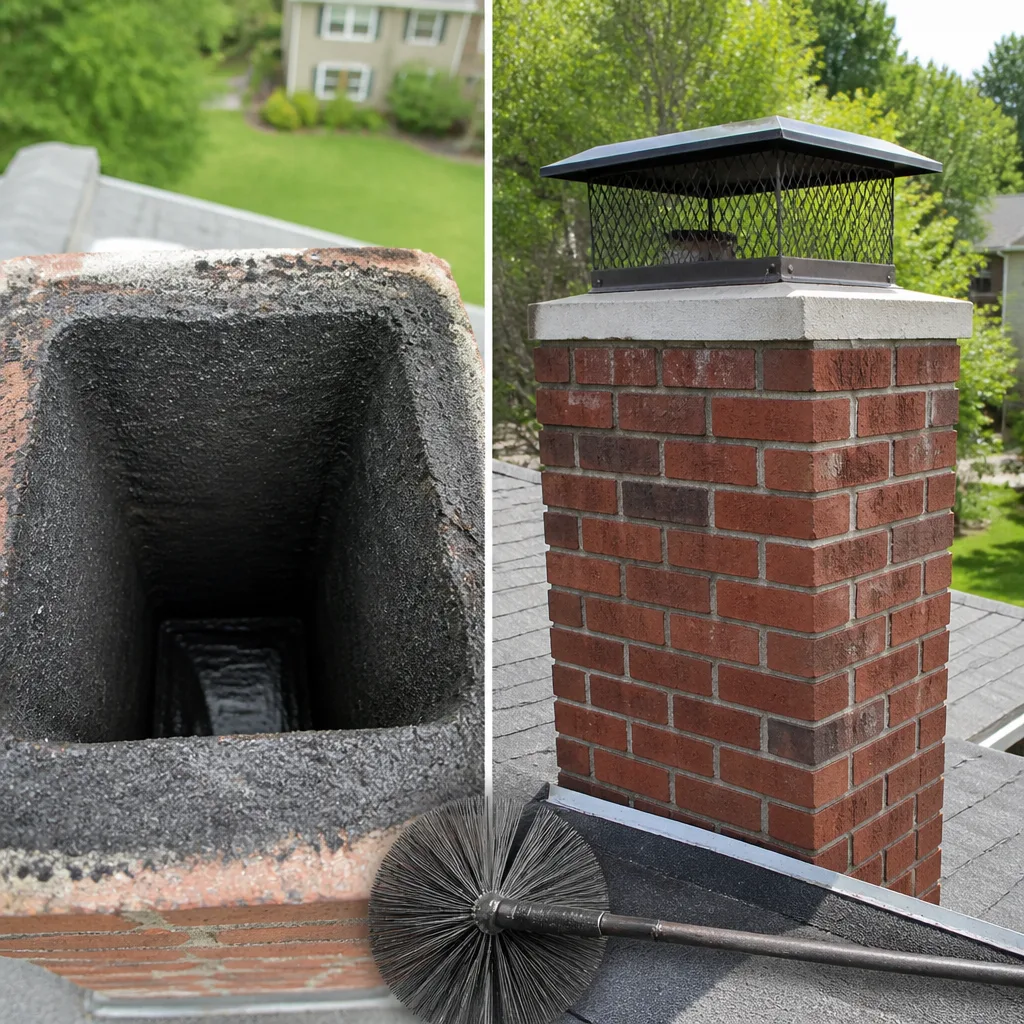 Sweep & inspection
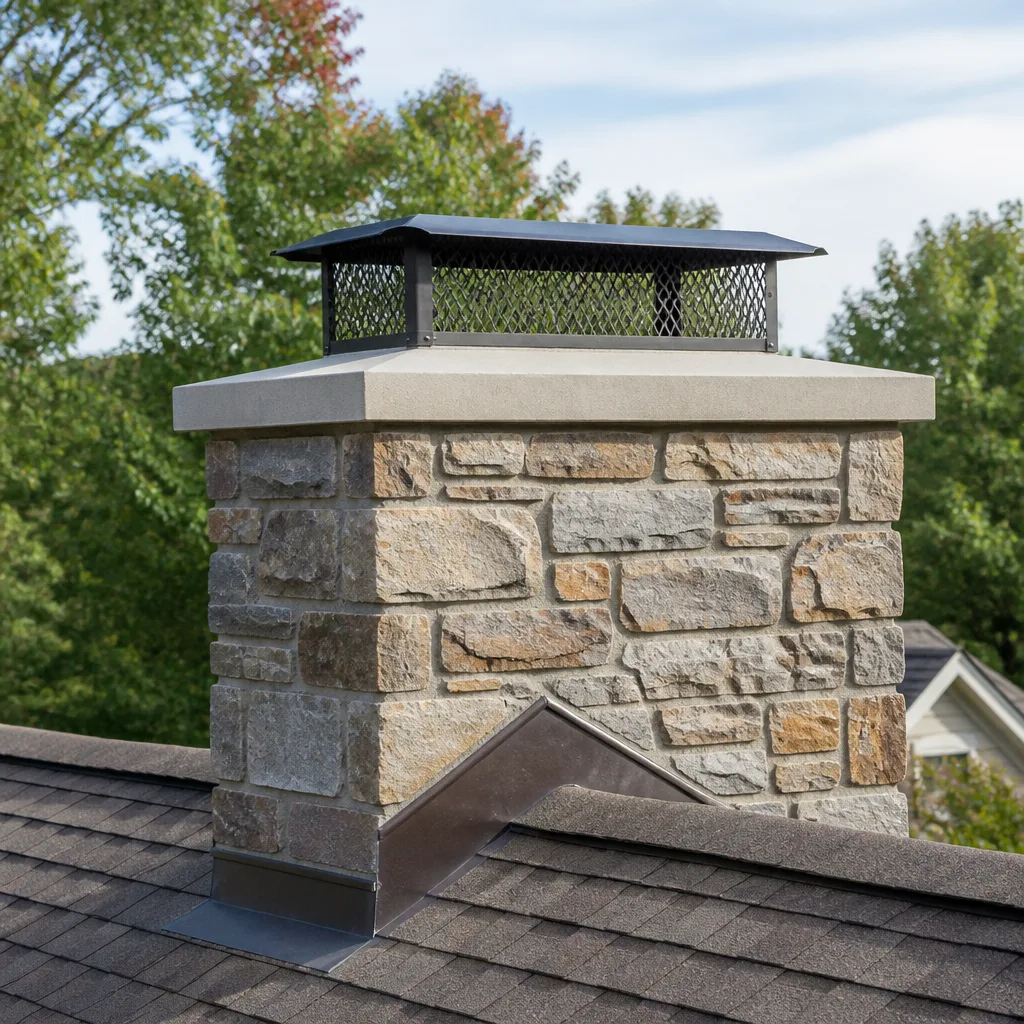 Caps & crowns
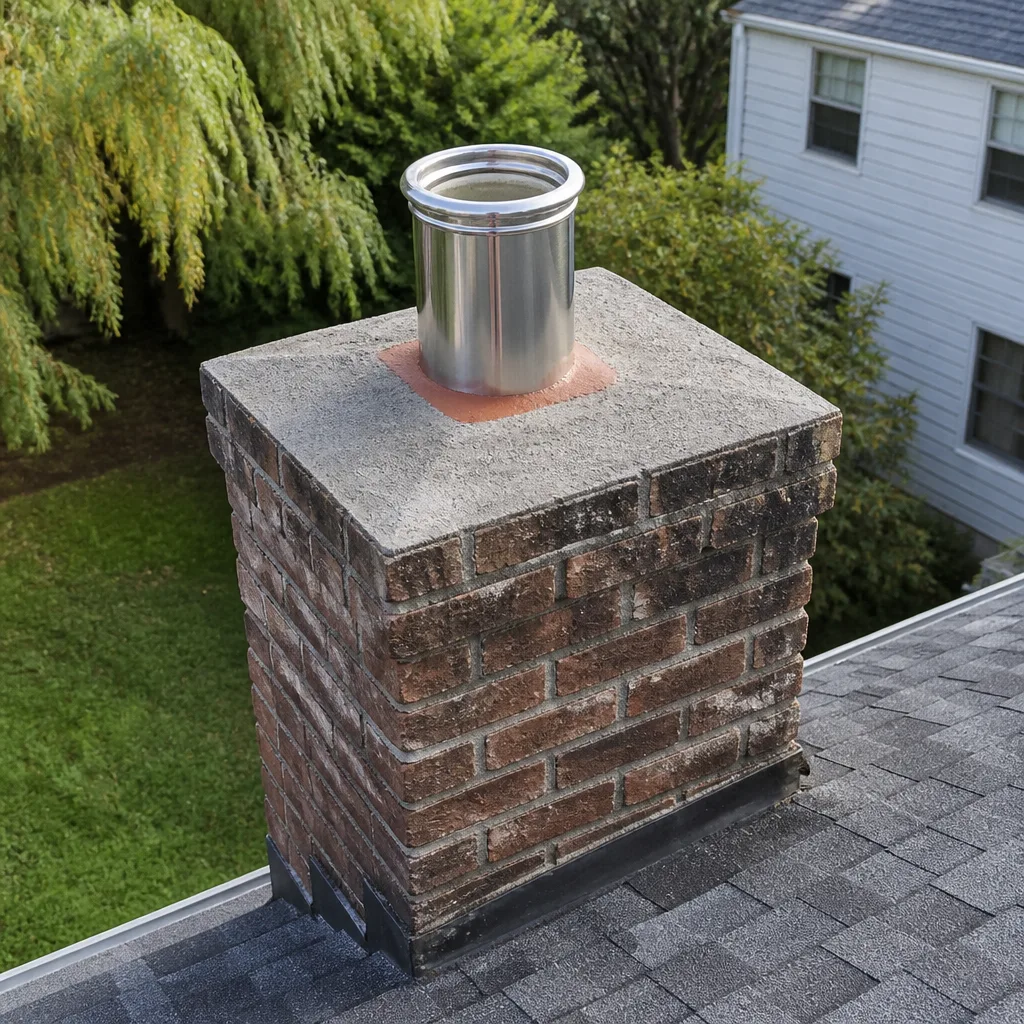 Flue relining
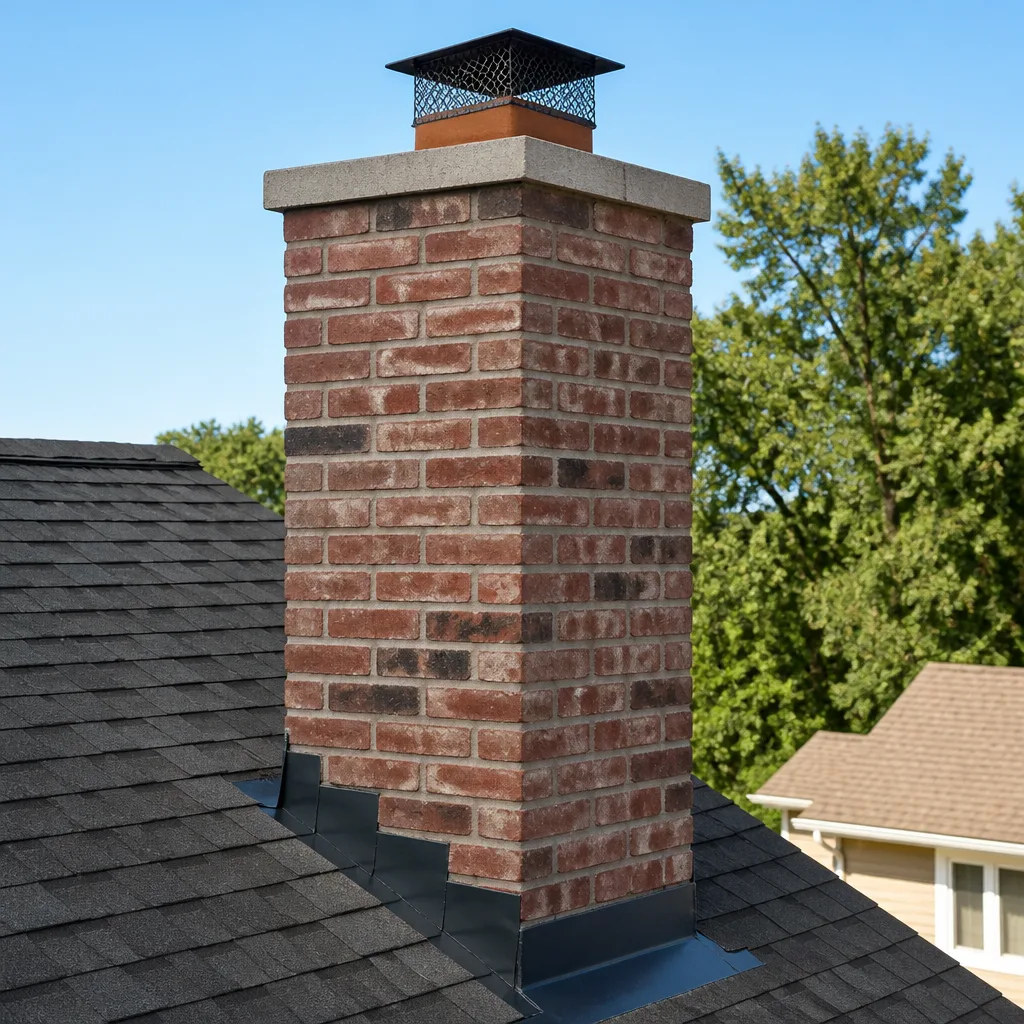 Masonry repair
 Gas fireplace service
Level 1 sweep and inspection to the NFPA 211 annual standard - flue, crown, cap, and flashing checked and photographed
Chimney sweep logs do not sweep chimneys. They loosen some creosote - which then falls where a brush and vacuum still have to collect it.
Chimney Sweep Maintenance Checklist for St. Petersburg Homeowners
A chimney checklist copied from a northern home-improvement site will have you doing the right tasks at entirely the wrong times for a Gulf Coast home. Up north, the calendar is built around hard freeze and heavy snow load. In St. Petersburg, the rhythm is different: a humid rainy season, a hurricane window that runs from late summer into fall, and a short but real burning season that arrives when the first cool front finally pushes through. Get the timing wrong and you’ll sweep a flue that’s about to sit idle for eight months, or light the first fire of the year into a chimney you haven’t looked at since spring. This guide lays out a full maintenance checklist mapped to the actual St. Petersburg calendar, month by month, with a clear line between what you can safely observe yourself and what belongs in the hands of a trained sweep.
Quick Answer
The right chimney maintenance schedule in St. Petersburg follows the local climate, not the four-season one: inspect the exterior before hurricane season, watch for moisture during the summer rains, and get a full interior inspection and sweep in the fall before you light the first fire. A professional sweep should be the one checking the flue interior, the cap, the crown and the firebox; homeowners can and should monitor for water staining, rust, debris and critter activity between visits.
Styles & brands we work with
- Sweep & inspection
- Caps & crowns
- Flue relining
- Masonry repair
- Gas fireplace service
Table of Contents
- Why a St. Petersburg Chimney Checklist Looks Different
- The Month-by-Month St. Petersburg Chimney Calendar
- Pre-Hurricane Season Inspection Tasks
- Rainy Season Moisture Monitoring
- Post-Summer Inspection Before the First Fire
- What Homeowners Can Observe vs. What Requires a Certified Sweep
- The Interior Chimney Checklist: Firebox, Damper and Flue
- The Exterior Chimney Checklist: Cap, Crown and Flashing
Why a St. Petersburg Chimney Checklist Looks Different
Most chimney maintenance advice you’ll find online was written for a climate with a long, cold winter. It assumes the chimney runs hard for six months, sits under snow for part of the year, and thaws out in spring. St. Petersburg doesn’t work that way. Our winters are mild, our burning season is short and often interrupted, and our biggest chimney threat isn’t freeze damage – it’s moisture, and lots of it, arriving during a rainy season that stretches across the summer.
That humidity changes the whole maintenance picture. A masonry chimney in St. Petersburg spends most of the year doing battle with water. Summer storms drive rain against the crown, the flashing and the cap. The masonry absorbs moisture, and when the sun comes back out, that moisture wants to move through the brick and mortar. Over time, this is what produces the staining, spalling and crumbling you see on older chimneys around the city, from the historic blocks near downtown to the ranch homes out toward the beaches. The chimney is a structural safety system, and in a humid climate, water is the slow enemy of that system.
The other local wrinkle is that our burning season is short enough that homeowners often skip a year or two of service without noticing. A chimney that only runs for a few weeks in January and February feels like it’s barely being used. But creosote builds up by the fire, not by the calendar, and one season of green or unseasoned wood can leave a heavier deposit than three seasons of dry hardwood. In our experience, the homeowners who get into trouble are rarely the ones burning every night – they’re the ones who light a handful of fires each winter and assume a chimney that’s mostly idle doesn’t need attention.
So the checklist that follows is built around the St. Petersburg calendar: hurricane season, the summer rains, and the fall pre-season inspection. Every task is placed where it actually matters for this climate, and every item is flagged so you know whether it’s something you can eyeball yourself or something a trained professional needs to handle.
The Month-by-Month St. Petersburg Chimney Calendar
Here’s the full year at a glance. Use this as the backbone of your routine and refer back to the detailed sections below for each phase.
- March through May (late dry season): Do the exterior walkaround. Check the crown, cap, flashing and masonry for cracks or staining while the weather is still relatively dry. This is the calm window to schedule any repair work before the storms arrive.
- June through November (hurricane season): Before the season opens, get a professional inspection of the cap and crown. Through the season, monitor after any significant storm for displaced caps, loose flashing and water intrusion.
- June through September (rainy season): Watch the firebox and damper area for moisture. Look for water staining, rust on the damper, or a musty smell in the firebox after heavy rain.
- October (post-summer): Schedule the interior inspection and sweep before the first cool front. This is the single most important appointment of the year in St. Petersburg.
- November through February (burning season): Burn dry, seasoned wood. Keep an eye on draft quality and smoke behavior. Book a mid-season check if you burn heavily.
- Year-round: Keep the cap screen intact to block birds, squirrels and debris. Empty ash from the firebox at reasonable intervals and never let it pile up against the damper.
If you only remember one item from this list, remember October. That’s when you want a trained set of eyes inside the flue, before the first fire of the year. Knowing exactly what’s inside your flue before you light that first fire is worth more than any other single task on the calendar.
Pre-Hurricane Season Inspection Tasks
Hurricane season here runs from June through November, and the chimney is one of the parts of the house most exposed to wind-driven rain and flying debris. Before the season opens, certain exterior items deserve a close look.
- Cap integrity: The cap is the metal or masonry hood over the flue. It keeps rain, birds and debris out of the chimney. A cap that’s loose, rusted through or missing its screen invites water straight down the flue and gives wildlife an easy entrance. Check that it’s firmly attached and that the screen is intact.
- Crown condition: The crown is the concrete or mortar surface on top of the chimney that sheds water away from the masonry. A cracked or crumbling crown lets water soak into the brick below. Small hairline cracks are common; crumbling or separated sections need repair.
- Flashing: Flashing is the metal that seals the joint where the chimney meets the roof. It’s the most common source of chimney leaks. Look for lifted, rusted or missing sections of flashing, and for staining on the roof deck or ceiling near the chimney.
- Masonry joints: Check the mortar joints on the exterior stack for missing mortar, soft spots or loose bricks. Wind-driven rain will exploit any gap it can find.
Most of these checks are things a homeowner can look at from the ground with binoculars. But the repair work – resealing a crown, re-flashing a chimney, repointing mortar joints – is a professional job, and it’s much easier to schedule in the calm weeks before the season than in the middle of it. A specialized chimney repair service handles crown sealing, flashing repairs and masonry work as part of the same visit as an inspection, so you’re not juggling separate contractors for each small item.
One note on water and masonry: a chimney that takes on water during storm season will often show the damage weeks later, not immediately. That’s why the fall inspection matters so much – it’s the moment you look back at everything the summer threw at the chimney and confirm nothing got through.
Rainy Season Moisture Monitoring
During the summer rainy season, your job as a homeowner is simple observation. You’re not repairing anything – you’re watching for signs that water is getting into the system, so you know when to call.
After a stretch of heavy rain, open the firebox door and look inside. Here’s what to watch for:
- Water stains or dark streaks on the firebox walls or the smoke chamber above the damper.
- Rust on the damper or its operating handle – a damper that used to move freely and now sticks or grinds is telling you something.
- A musty smell coming from the firebox, especially after rain. That smell usually means the masonry is holding moisture.
- Damp ash or a wet firebox floor after a storm, even if the firebox was dry beforehand.
- Water stains on the ceiling or walls near the chimney inside the home, which point to flashing or crown issues higher up.
If you spot any of these, don’t light a fire until the chimney has been inspected. Moisture in the flue affects draft, accelerates deterioration, and can combine with creosote deposits to cause real problems. The right move is to schedule an inspection and let a professional trace the moisture back to its source – whether that’s a failing crown, a bad flashing joint, a cracked cap or masonry that needs repair.
Between storms, keep the firebox reasonably clear of ash and debris so you can actually see the signs when they appear. If a damp smell lingers after the rain stops, that’s a strong signal the chimney isn’t drying out properly, and it’s worth a call. We answer 24/7 at (833) 467-4164 if you want to talk through what you’re seeing, and fast dispatch from 7am to 7pm gets a technician out to take a look.
Post-Summer Inspection Before the First Fire
This is the appointment that anchors the entire year. In St. Petersburg, the first real cool front usually arrives in late October or November, and you want a clean, inspected chimney before that first fire. A chimney sweep scheduled in October does three things at once: it removes the creosote from last season, it gives you a professional inspection of the flue and firebox, and it turns up any summer-related problems – a cracked crown, a displaced cap, a moisture issue – in time to fix them before you need the fireplace.
Here’s what a proper pre-season service covers:
- Flue inspection: A visual check of the inside of the flue for creosote buildup, blockages, cracked liner tiles or signs of deterioration. In many cases a camera inspection shows the homeowner exactly what’s inside the chimney.
- Sweep: Removal of creosote, soot and any debris that’s accumulated, using chimney-specific brushes and tools. The goal is a clean flue ready for the season.
- Firebox and damper check: Making sure the damper opens and closes properly and that the firebox walls are sound.
- Crown, cap and flashing review: A look at the exterior items flagged in the hurricane section, so any damage from the summer is caught now.
- Critter and debris screening: Confirming the cap screen is intact and the flue is free of nests, leaves or other debris that found its way in during the off-season.
That last item matters more in St. Petersburg than in colder climates. A chimney that sits idle for months in a warm, humid climate is an attractive place for birds, squirrels and insects to set up house. A blocked flue means smoke comes back into the living room at best, and at worst, it forces carbon monoxide back into the home. A quick look before the first fire prevents that scenario entirely.
If you’re a first-time fireplace owner in St. Petersburg, this pre-season inspection is the most valuable appointment you can book. It establishes a baseline – what your flue looks like when it’s in good condition – so future inspections have something to compare against. And if you’re buying a home with a fireplace, a pre-purchase inspection from a chimney specialist is worth arranging before closing, so you know exactly what you’re taking on.
What Homeowners Can Observe vs. What Requires a Certified Sweep
The line between “look at it yourself” and “don’t touch it” is the most useful thing in this guide. Here’s the split.
What a homeowner can safely observe:
- Exterior condition of the crown, cap and flashing, from the ground with binoculars.
- Obvious rust, staining or damage to the cap.
- Water stains, damp smells or rust inside the firebox and around the damper.
- Whether the damper opens and closes freely.
- Whether smoke drafts up the chimney properly when you first use it.
- Critter activity around the cap or debris visible at the top of the flue from outside.
What requires a trained professional:
- The inside of the flue – creosote levels, liner condition, cracks and blockages. This is where the real risk lives, and it’s not something you can inspect with a flashlight from below.
- Sweeping. Proper sweeping requires chimney-specific brushes, a thorough understanding of the flue’s geometry, and the ability to spot damage while sweeping.
- Any repair: crown sealing, flashing repair, repointing, cap replacement or liner work.
- Liner inspection and relining. The liner is the flue’s protective inner surface, and a compromised liner is a serious safety issue. This is where our HeatShield and DuraFlex capability comes in – liner resurfacing and relining are a technical tier above basic sweeping, and not every chimney service can perform them.
The reason this line is worth respecting is carbon monoxide. A chimney that looks fine from the outside can have a cracked or disconnected liner that lets fumes into the home instead of up the flue. A trained sweep using a camera can see that; a homeowner with binoculars cannot. Knowing what’s inside your flue before the season starts is the whole point.
If you’re in St. Petersburg and you’re not sure which items on your chimney need attention, a professional inspection settles it quickly. Citadel Chimney Cleaning offers free estimates, and every technician is trained specifically on chimney systems – not repurposed from HVAC or general contracting work.
The Interior Chimney Checklist: Firebox, Damper and Flue
This is the part of the chimney you actually see and use. Here’s what to monitor inside the home, and how often.
- Firebox walls: Look for cracks, crumbling mortar or missing brick. Small surface cracks in the firebrick are normal; deep cracks or loose bricks need professional attention before the next fire.
- Damper: Open and close it periodically through the year. It should move smoothly and seal reasonably well when closed. A damper that sticks, or that won’t stay in position, needs repair.
- Smoke chamber: The area above the damper and below the flue. You’ll see staining here if the chimney is drafting poorly or taking on water. A professional can reach and inspect this area during a sweep.
- Ash level: Empty ash reasonably often so it doesn’t build up against the damper or block airflow. Never leave a deep bed of ash in a chimney that’s going to sit idle for months in a humid climate.
- Creosote: In the flue, creosote is the deposit that builds up from burning wood. It comes in several forms, from light soot to hard, glazed deposits that are much harder to remove. Those harder deposits are a fire risk and require professional sweeping.
- Cap and screen: Visible from the top of the firebox if you look up – an intact screen means birds and debris are kept out. A broken screen means something may have gotten in, and that warrants an inspection.
One habit worth building: before the first fire of the season, open the damper, crack a window and light a small test fire. Watch how the smoke behaves. If it pulls cleanly up the flue, the draft is working. If it rolls back into the room, stop and call a professional. That’s a sign of a blockage, a draft problem or a liner issue that needs inspection before you use the fireplace for real.
Our technicians have up to 11 years of experience, and every tool and product on the job is chosen for chimney systems specifically. If you want a trained eye on your firebox and flue before the season, we’re glad to take a look.
The Exterior Chimney Checklist: Cap, Crown and Flashing
The exterior of your chimney takes the brunt of the St. Petersburg climate. This checklist covers the outside of the chimney and what to look for through the year, with the note that most of these items are observation-only for a homeowner.
- Cap: Is it firmly attached? Is the screen intact? Is there rust, especially where the cap meets the flue? A rusted-through cap lets water into the flue and needs replacing, not patching.
- Crown: Look at the top surface of the chimney. It should slope slightly away from the flue and be free of large cracks or crumbling sections. A cracked crown is the most common way water gets into chimney masonry.
- Flashing: The metal seal where the chimney meets the roof. Check for lifting, rust, missing fasteners or gaps. Staining on the roof or the ceiling below is a strong sign of a flashing problem.
- Mortar joints: Look for missing, soft or recessed mortar between the bricks. Repointing – replacing missing mortar – is standard masonry repair and protects the whole stack.
- Masonry staining: White, chalky deposits on the brick mean moisture is moving through the masonry. Dark staining can mean water or soot is coming through. Either is worth an inspection.
- Chimney crown sealing: If the crown on your chimney is cracked or unsealed, having it sealed before storm season is one of the most cost-effective protections available.
When a repair is needed, the material quality matters. Off-brand mortars, patching compounds and cap materials tend to fail faster in a humid climate, which is why we work only with recognized chimney-industry brands – Copperfield, Celco, Olympia Chimney, Famco, HeatShield and DuraFlex – for everything from crowns to caps to liners. These are the materials designed for the job, and the work lasts because of it.
The repair fits into the same visit as the inspection. If we find a cracked crown or bad flashing during the fall check, we fix it in the same appointment rather than handing you a list and a referral to another contractor. From inspection to repair, one specialist handles it all.
Common Mistakes to Avoid
- Following a northern maintenance calendar. Many homeowners in St. Petersburg treat chimney care as a winter task because that’s how the seasonal advice is framed everywhere else. In this climate, the crucial appointment is in the fall, before the burning season, not during it.
- Skipping a year because the fireplace gets little use. A chimney used a few times a season can still build up significant creosote, and a year without inspection means a year of undetected moisture or critter damage. The short St. Petersburg burning season makes this an easy mistake to make.
- Waiting until the first cold front to book a sweep. The fall window fills up quickly. Booking in late September or October leaves time for any repair to be completed before the first fire, and lets you avoid the rush.
- Ignoring water signs until they’re obvious. Water staining, a musty smell or a damp firebox floor after summer rains are early indicators. Catching them in September, rather than January, gives you time to fix the source.
- Burning unseasoned or green wood. Wet wood produces more creosote than dry wood and wastes heat. In a short burning season where every fire counts, dry, seasoned wood keeps the chimney cleaner.
- Letting debris or critters set up in the flue. An intact cap screen prevents the problem entirely. An uncapped or damaged flue in St. Petersburg’s climate is an open invitation.
- Treating the repair as outside your scope. The chimney is a structural safety system, and problems found during an inspection are best fixed by the same specialist who found them. Splitting the work across several contractors often means the repair waits.
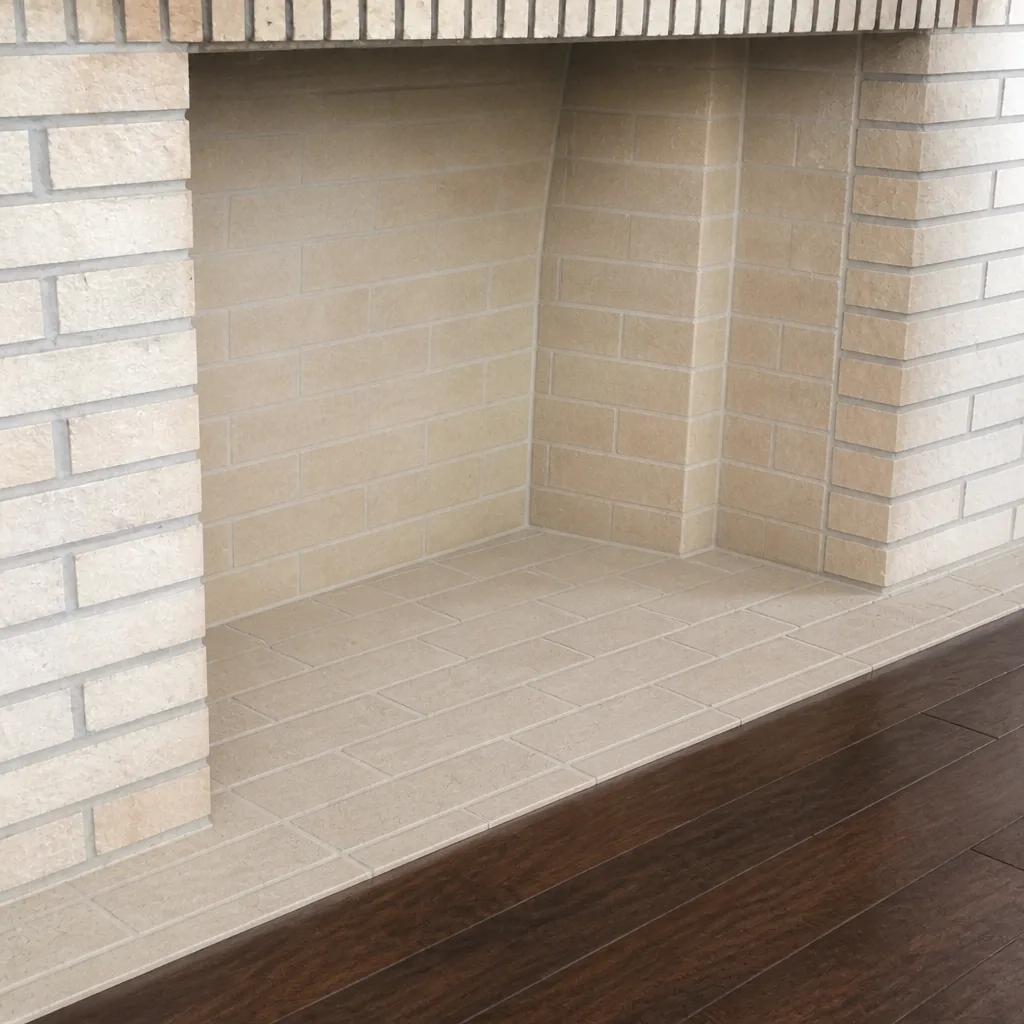
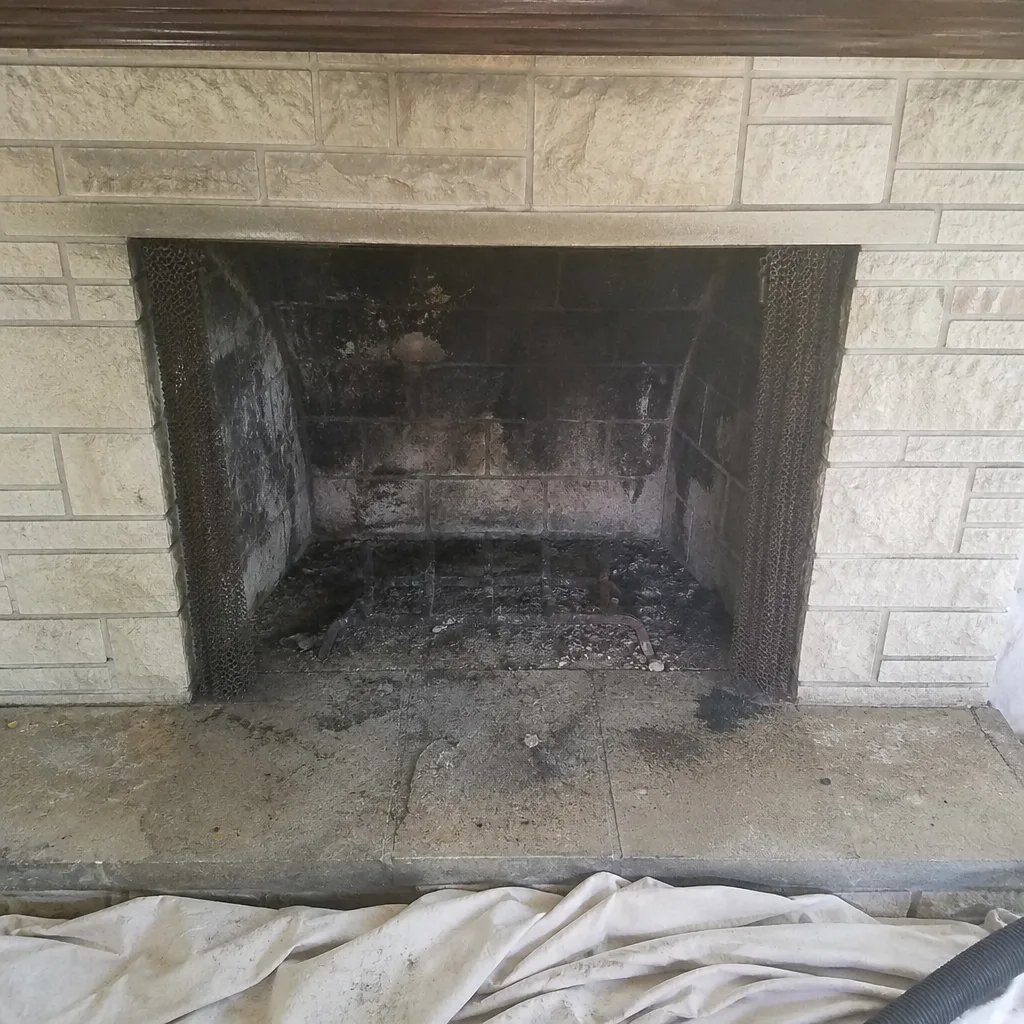
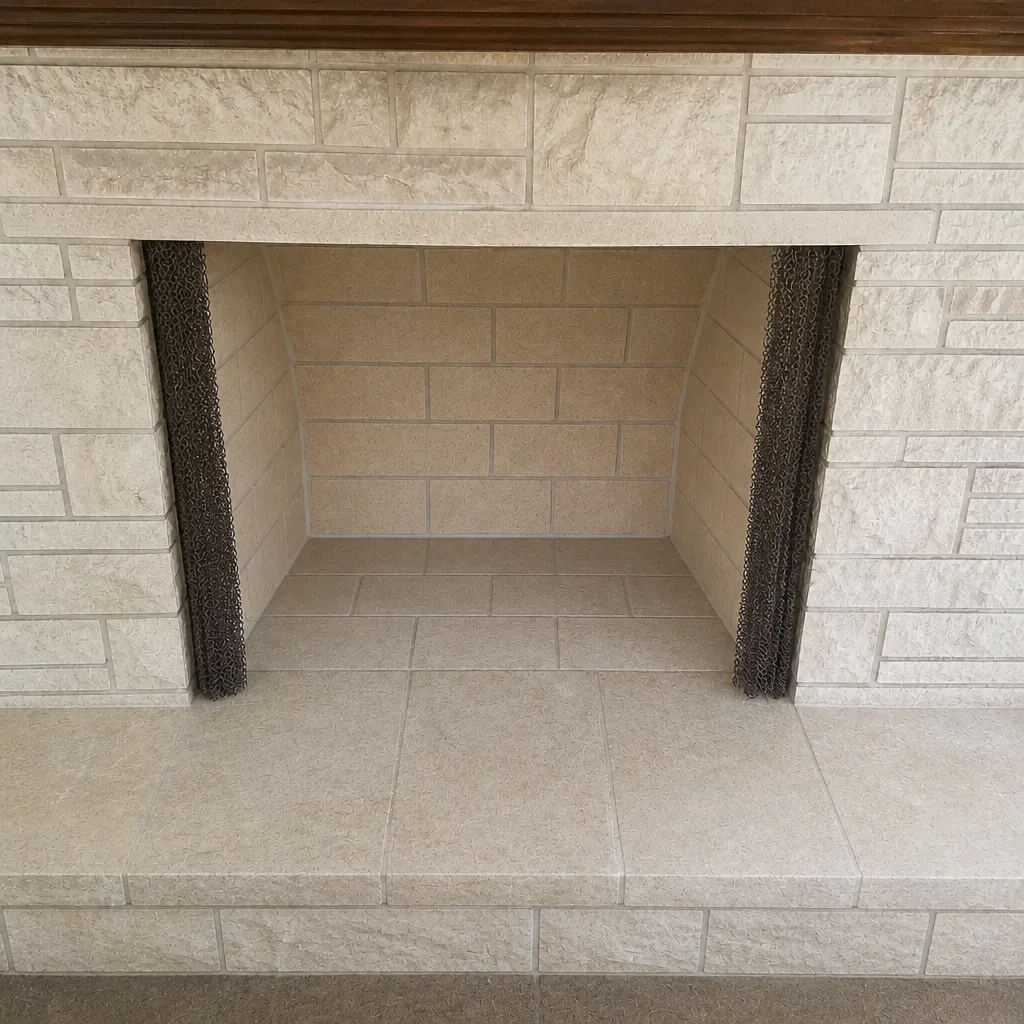
See the difference
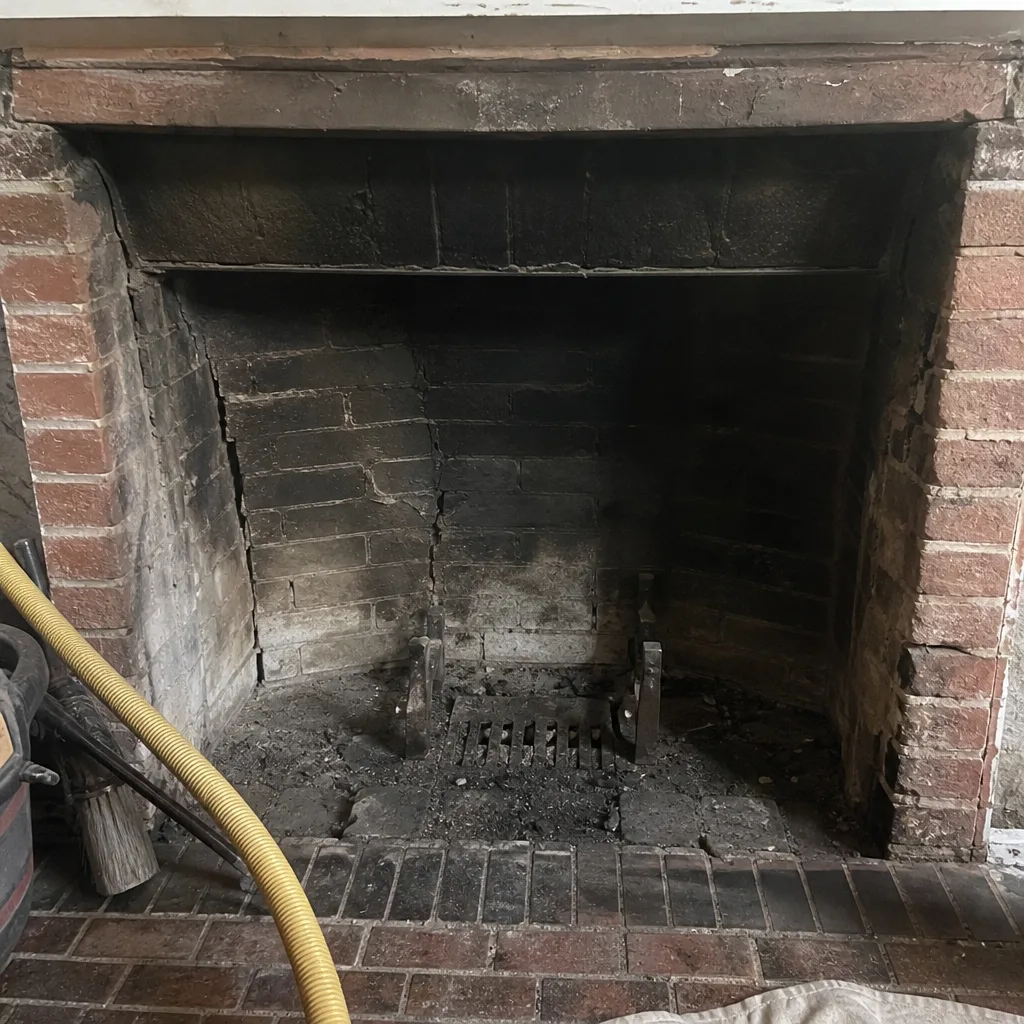 Before
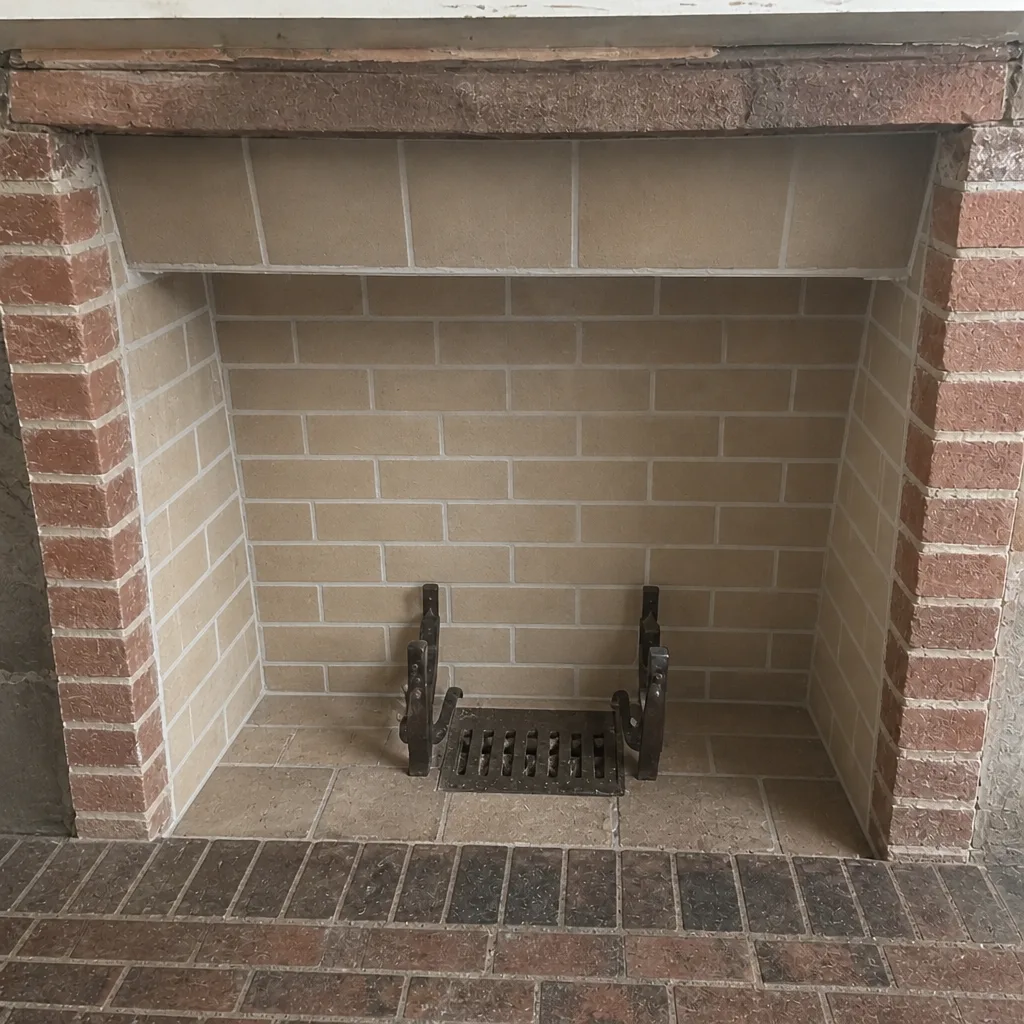 After
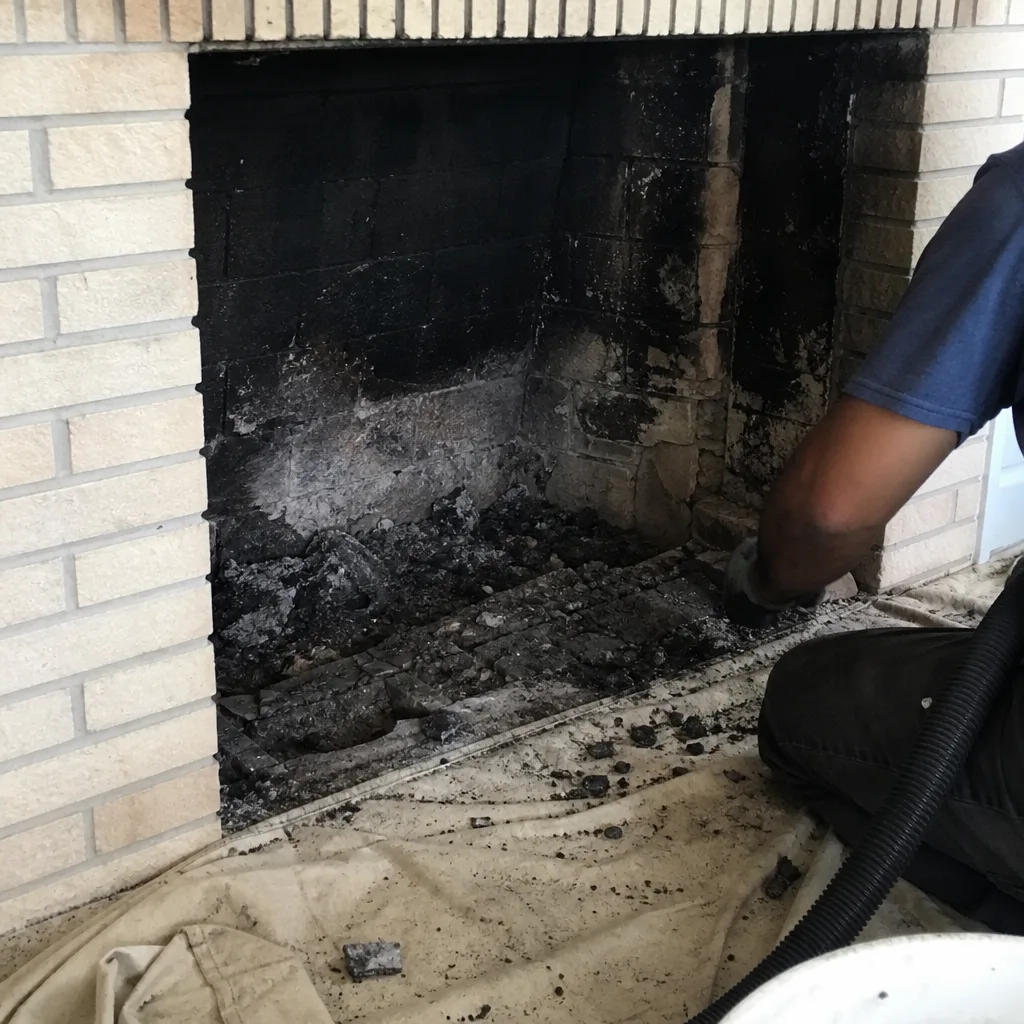 Before
 After
 Before
 After
When to Call a Professional
Some scenarios clearly call for a trained sweep, and it’s worth knowing which ones. Call if you’ve never had your chimney inspected, if it’s been more than a year since the last sweep, if you spotted water staining or a damp smell over the summer, or if a storm has left visible damage to the cap or crown. Call if the damper sticks, if smoke rolls back into the room when you test the draft, or if critters have gotten into the flue. Call before the first fire of the season if you’re new to the home and don’t know the chimney’s history. Call before closing on a home with a fireplace, so you know what you’re buying. Citadel Chimney Cleaning offers free estimates in St. Petersburg – call (833) 467-4164. We answer 24/7, with fast dispatch from 7am to 7pm, Sunday through Friday.
Frequently Asked Questions
Once a year is the standard, ideally in the fall before the first fire. St. Petersburg’s humid climate makes the annual inspection especially valuable because it catches moisture damage at the same time as creosote. If you burn frequently or have a wood-burning stove, an additional mid-season look is a good idea. Call (833) 467-4164 to schedule yours – estimates are free.
October is the sweet spot. It’s after the summer rains have finished testing your chimney and before the first cool front brings the burning season. Booking early in the month leaves room to complete any repair before the first fire. Call (833) 467-4164 to get on the calendar – estimates are free.
You can and should inspect the outside of the chimney and the inside of the firebox, watching for cracks, water stains, rust and cap damage. What you can’t safely inspect is the inside of the flue, where creosote, liner cracks and blockages live. That part requires a trained sweep with the right tools and, typically, a camera. Call (833) 467-4164 to have the flue checked properly – estimates are free.
Water staining on the firebox walls, a damp or musty smell after rain, rust on the damper, and white or dark staining on the exterior masonry. These signs usually point to a cracked crown, failed flashing or an open cap. Any of them is worth an inspection, and the fix is often straightforward. Call (833) 467-4164 to talk through what you’re seeing – estimates are free.
Yes, and it’s worth doing before closing. A specialist inspection tells you the condition of the flue, liner, cap and crown so you know whether you’re inheriting a maintenance item or a repair. A general home inspector often won’t go into the level of detail a chimney specialist will. Call (833) 467-4164 to arrange a pre-purchase inspection – estimates are free.
An intact cap screen does most of the work. Have the screen checked during your annual inspection, and replace any torn or missing section. If you suspect something has already gotten in, don’t light a fire until the flue has been checked. Call (833) 467-4164 to have it inspected – estimates are free.
The Bottom Line
The right chimney maintenance routine in St. Petersburg runs on a local calendar, not a northern one. Check the exterior before hurricane season. Watch the firebox for moisture through the summer rains. Book a professional inspection and sweep in the fall, before the first fire. Keep the cap screen intact year-round, and respect the line between what you can observe yourself and what belongs in the hands of a trained sweep. Do those things and you’ll know exactly what’s inside your flue when the first cool front arrives. Citadel Chimney Cleaning is a chimney specialist – sweep, inspection and repair under one company – and we’re happy to help you get the year started right. Call (833) 467-4164 for a free estimate.
Learn more about Citadel Chimney Cleaning and our services across St. Petersburg.
Written by the team at Citadel Chimney Cleaning.