
Last updated November 15, 2026
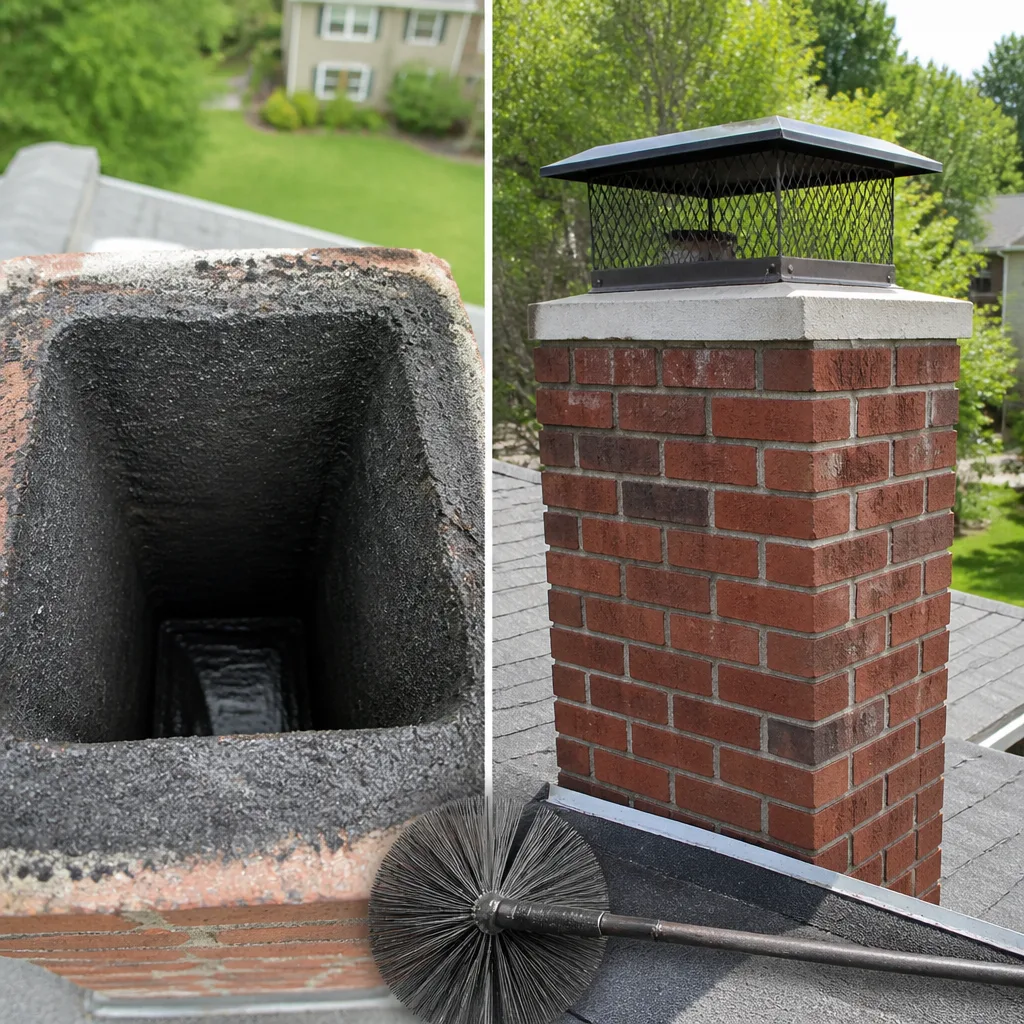 Sweep & inspection
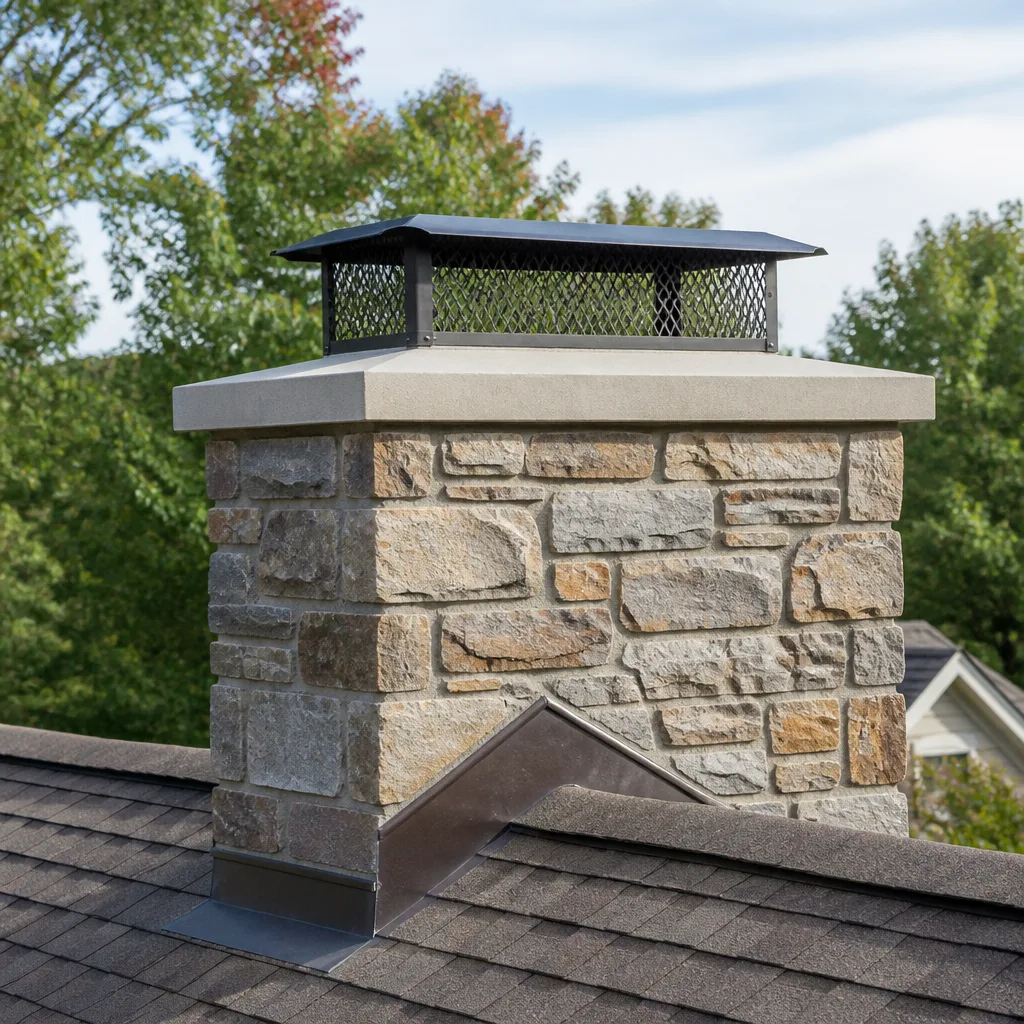 Caps & crowns
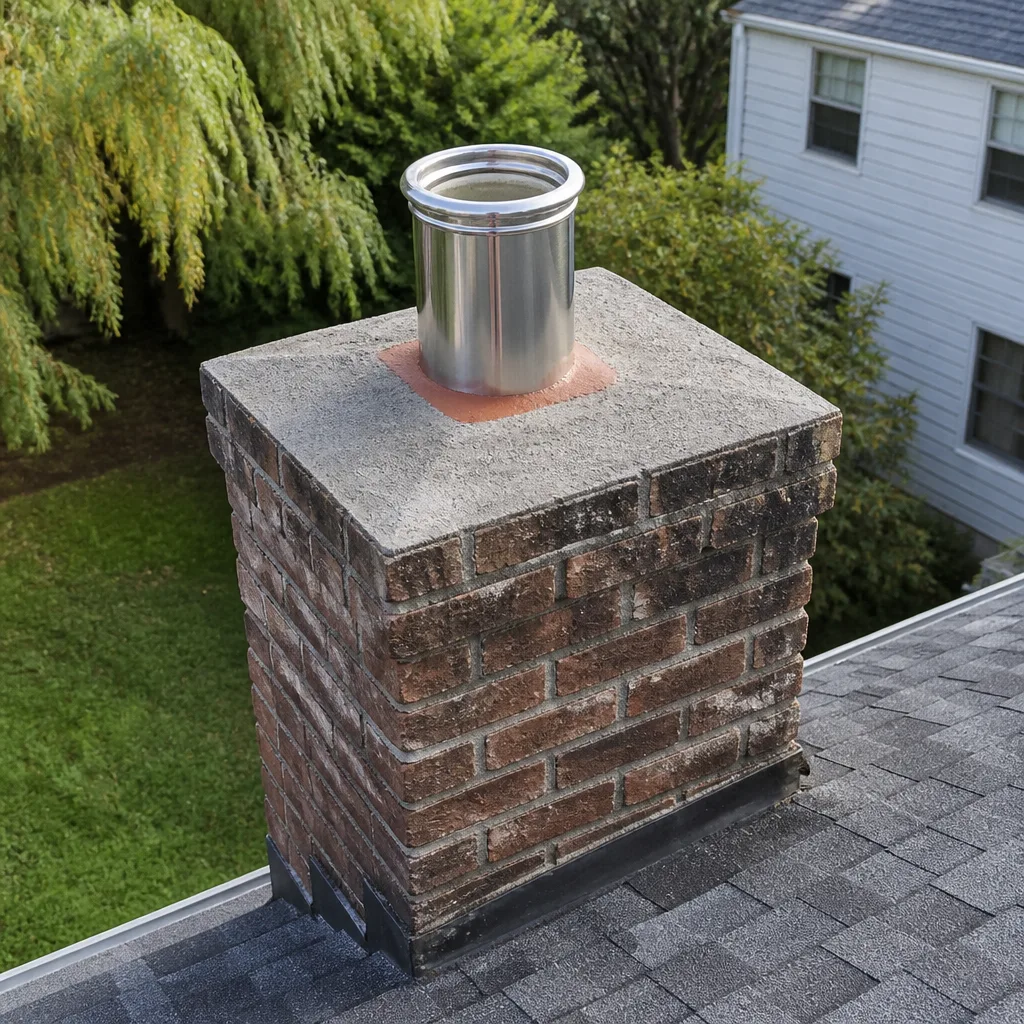 Flue relining
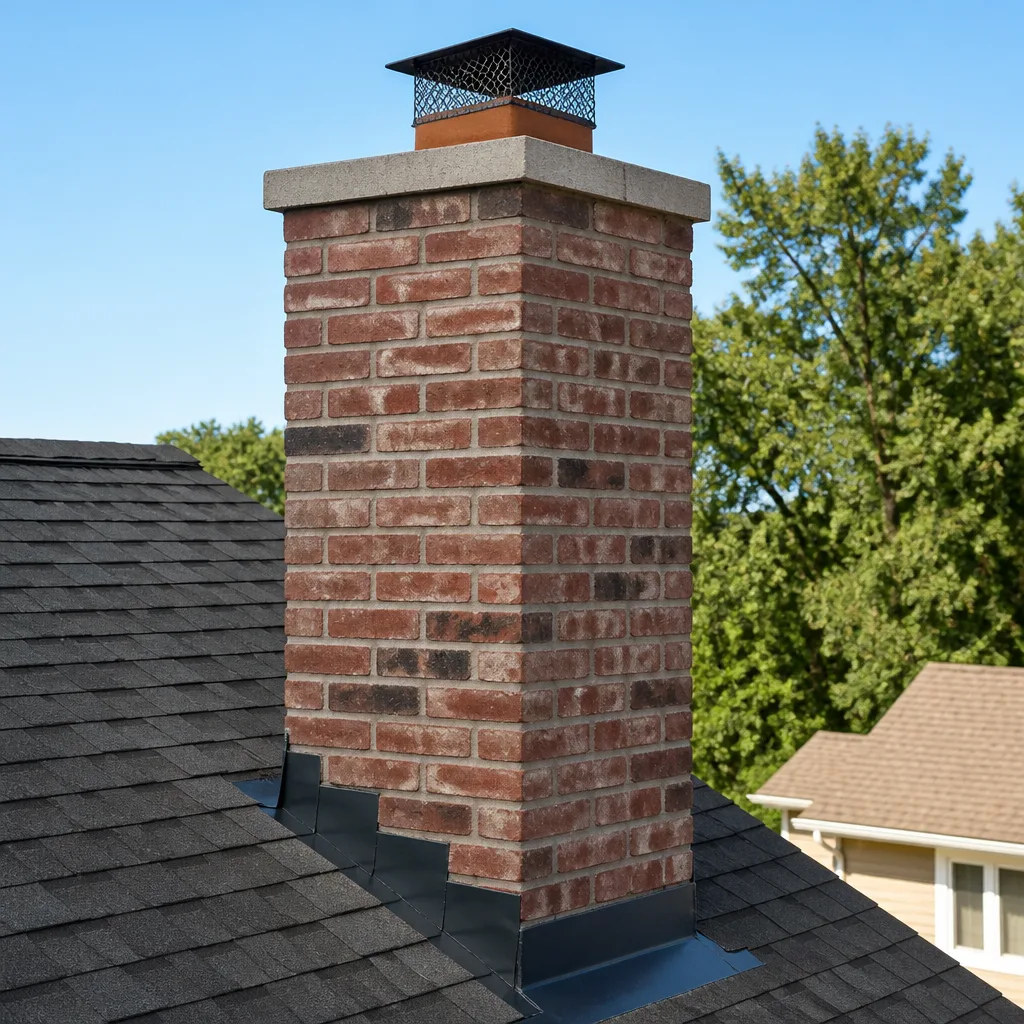 Masonry repair
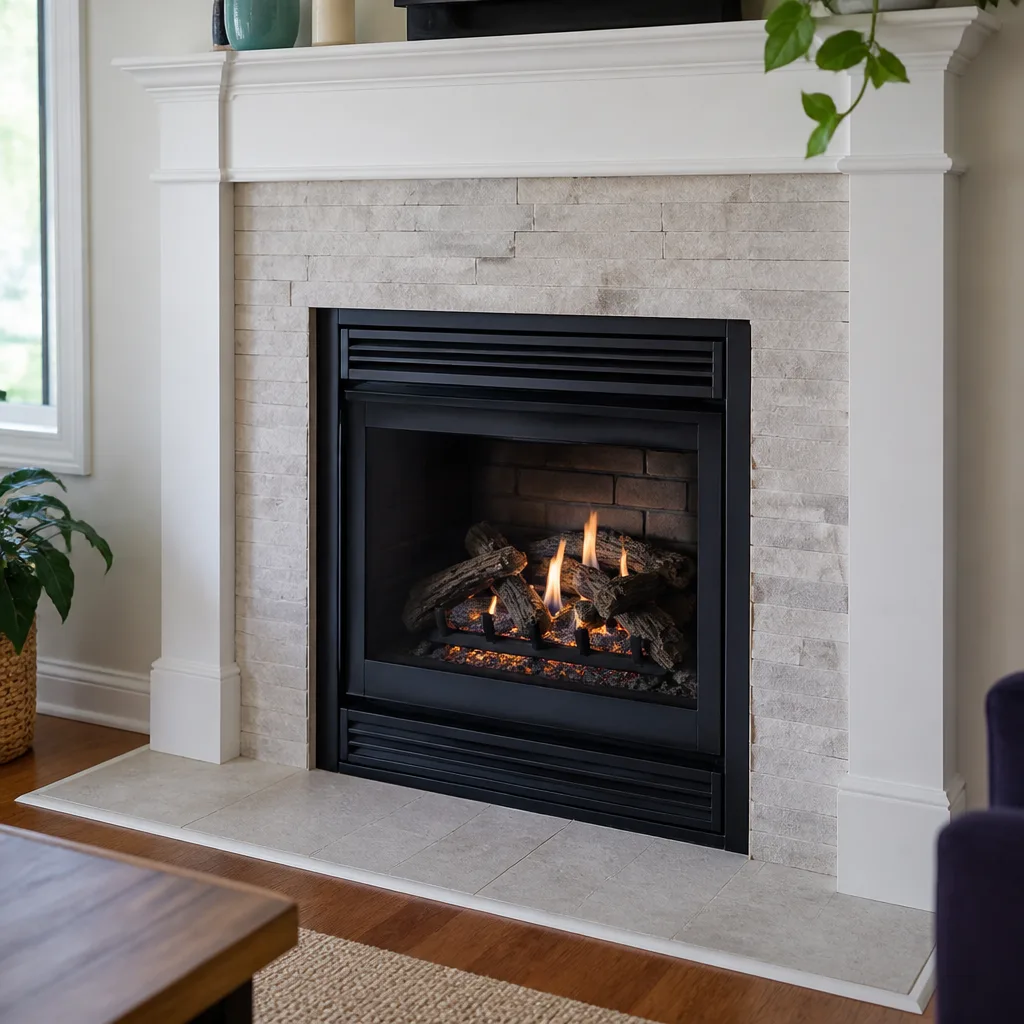 Gas fireplace service
Level 1 sweep and inspection to the NFPA 211 annual standard - flue, crown, cap, and flashing checked and photographed
Chimney sweep logs do not sweep chimneys. They loosen some creosote - which then falls where a brush and vacuum still have to collect it.
Choosing the Right Chimney Cleaning Brand: A Buyer’s Guide for St. Petersburg
Ask a chimney contractor what brand of crown sealant they use. If they don’t know, or say “whatever we have on the truck,” that answer tells you something important about how they approach every other decision on your job. The brush they sweep with. The cap they fit. The material they use when a flue needs resurfacing. A contractor who knows their products by name has invested in the trade, and that shows up in the work. This guide is for homeowners in St. Petersburg who want to choose a chimney professional on substance rather than on a friendly phone manner. We’ll cover the brands that matter, what each one is actually used for, and the questions that reveal whether a company takes chimney work seriously.
Quick Answer
The right chimney cleaning company in St. Petersburg is one that names the professional-grade brands it uses for each part of the job: a liner system for relining, a resurfacing product for damaged flues, a sealant for crowns, and a stainless cap built for the local environment. If a contractor can’t tell you which brands they work with, they’re likely using generic materials. Brand knowledge is a reliable shortcut to judging workmanship, training, and how seriously a company treats chimneys as a system.
Styles & brands we work with
- Sweep & inspection
- Caps & crowns
- Flue relining
- Masonry repair
- Gas fireplace service
Table of Contents
- Why Do Chimney Brands Matter in St. Petersburg?
- Which Chimney Product Brands Do Professionals Actually Use?
- What’s the Difference Between Consumer-Grade and Professional-Grade Chimney Products?
- How Do You Ask a Contractor About Their Materials Without Sounding Adversarial?
- Why Do Stainless Steel Caps and Liners Matter Here?
- What Does “Using Industry Brands” Actually Signal?
- How Do You Match the Right Brand to the Right Chimney Job?
- How Do You Verify a Chimney Company Before Booking?
Why Do Chimney Brands Matter in St. Petersburg?
Chimney brands matter because the products a company chooses determine how long a repair lasts, how safe the flue is, and whether the work will hold up over seasons of use. A crown sealant that fails after one year lets water into the masonry. A liner material that wasn’t made for chimney temperatures can degrade in ways no homeowner would ever notice until it’s a real problem. In St. Petersburg, the humidity and the amount of moisture in the air most of the year put extra strain on any sealant, cap, or crown repair. Products designed for chimney work perform differently here than general-purpose hardware store materials.
What we see in our work is that a company’s material sourcing tracks closely with its training. Contractors who use chimney-industry brands – DuraFlex for stainless liners, HeatShield for flue resurfacing, Gelco for crown and masonry repair, Copperfield for caps and components – have made a deliberate choice to work within a professional supply chain. That choice tends to reflect how they approach everything: inspections, sweeping methods, documentation. The brand on the label isn’t the whole story, but it’s the most visible part of it.
The chimney is a structural safety system, not just a tube that gets dirty. When the materials holding that system together come from the same professional trade ecosystem as the tools used to work on it, the whole thing holds together better. For homeowners in St. Petersburg choosing a chimney professional, Citadel Chimney Cleaning is a name worth knowing, and this guide will give you the framework to evaluate any company on the same terms.
Which Chimney Product Brands Do Professionals Actually Use?
Professional chimney work draws on a handful of recognized trade brands. Each one specializes in a specific material or system. Knowing what each brand is used for helps you understand what a contractor is actually proposing when they suggest a repair.
HeatShield
HeatShield is a ceramic-based resurfacing product used to repair damaged clay flue tiles from the inside. When a flue has cracks, gaps in the mortar joints, or a surface that’s begun to break down, HeatShield can be applied to resurface the interior and restore a smooth, sealed passage. It’s a technical repair that many basic chimney services can’t perform. Companies that work with HeatShield have taken the training to do liner resurfacing correctly.
DuraFlex
DuraFlex is a stainless steel flexible liner system used for relining chimneys. When a flue is too damaged to resurface, or when a new appliance requires a properly sized liner, DuraFlex provides the material. A stainless liner creates a continuous, sealed passage from the appliance to the top of the chimney. It’s one of the most consequential repairs in chimney work, and the brand used matters for longevity.
Gelco
Gelco makes crown repair products and masonry materials. The chimney crown is the concrete cap at the top that sheds water away from the flue. When a crown cracks, water gets into the masonry below and starts the cycle of deterioration. Gelco materials are used to repair or rebuild crowns properly, so they seal and stay sealed through temperature swings and rain.
Copperfield and Olympia Chimney
These brands cover caps, dampers, and other chimney components. A stainless steel cap is one of the best investments for a chimney in St. Petersburg because it keeps rain, animals, and debris out of the flue. Brands like Copperfield are recognized in the trade for parts that fit properly and last.
When a contractor names specific brands for each part of the job, it tells you they’ve built relationships with suppliers who serve the chimney trade, not the general hardware market. That kind of sourcing is only possible when a company is chimney-exclusive. A general contractor doing chimneys on the side has no reason to know these brands, and usually doesn’t.
What’s the Difference Between Consumer-Grade and Professional-Grade Chimney Products?
Professional-grade chimney products are formulated, tested, and rated for the temperatures and conditions a chimney actually creates. Consumer-grade products sold for general use are not. The difference matters most in three areas: sealants, cleaners, and caps.
- Sealants: A crown sealant from the hardware store is typically an elastomeric caulk rated for exterior use, not for the thermal cycling a chimney crown experiences. Professional chimney sealants are made to flex and adhere under those conditions. In St. Petersburg’s humidity, an under-rated sealant can fail within a season.
- Creosote cleaners: Consumer creosote treatments are often mild and unreliable for heavy deposits. Professional sweeping uses mechanical methods – rotary brushes sized to the flue – plus chemical treatments only when appropriate. The professional-grade products are stronger and more targeted, and they’re applied by someone who knows when not to use them.
- Caps and dampers: A generic cap is often galvanized steel that rusts or a fit that leaves gaps. Professional caps from brands like Copperfield or Olympia Chimney are stainless and sized properly, so they actually keep water and animals out.
The rapid humidity swings in St. Petersburg (wet summers, damp winters, plenty of rain throughout) put a premium on products that can handle moisture without losing adhesion or structural integrity. A sealant rated for the job survives years. A sealant that wasn’t survives one wet season, and the damage underneath starts before anyone notices. That’s the real cost of using the wrong product.
Cleaners are a separate issue. Some over-the-counter creosote removers can damage a flue if used incorrectly, and none of them replace the mechanical action of a proper sweep. When a chimney needs cleaning in St. Petersburg, we use professional tools and industry-rated chemical treatments only when they’re needed. That’s part of what separates a specialist service from a general one.
How Do You Ask a Contractor About Their Materials Without Sounding Adversarial?
Asking about materials is a normal part of hiring a professional for any trade. Framing the question as curiosity about the process, rather than suspicion, gets you a clearer answer.
Here’s a simple approach that works:
- Start with the inspection. Ask what they look for and how they document it. A specialist will describe a camera inspection with photos you can review. A generalist will say something vague about “checking it out.”
- Ask about the specific repair material. If a liner is being recommended, ask which brand and what makes that brand the right choice. A professional will name the product and explain the fit. A contractor who can’t name a brand is likely using whatever’s on hand.
- Ask about the crown sealant. Crown repair is common and cheap to do badly. Ask what product they’ll use and how long it should last. A knowledgeable answer names a chimney-specific sealant and talks about lifespan in seasons, not just “it’ll be fine.”
- Ask about the cap. Ask whether the cap is stainless steel, how it’s fastened, and whether it’s sized for the flue. A proper answer includes the brand and the fit method.
- Ask what happens to problems they find. A specialist can fix most issues in-house. A general contractor often ends up referring you to someone else, which means you’re explaining the problem twice and paying for two visits.
The answers reveal everything. A contractor who names HeatShield and DuraFlex and explains when to use each is signifying a technical tier of work. A contractor who says “we use whatever’s rated” or “I’d have to check with the office” is telling you they haven’t invested in knowing. Neither answer is malicious, but only one of them is a specialist.
For homeowners who want that single-source support – inspection, sweep, and repair from the same company – the chimney repair service is where the difference shows most. When a repair is needed, the company doing the sweep should be equipped to do the work, not hand off a referral.
Why Do Stainless Steel Caps and Liners Matter Here?
Stainless steel matters in St. Petersburg because the local environment is hard on anything that spends its life outdoors. A chimney cap sits at the top of a roof through rain, sunlight, and the steady humidity that defines the region. Galvanized steel rusts. Aluminum can pit. Stainless holds. The same logic applies to liners. A stainless flexible liner from DuraFlex is designed to last decades in a flue, while cheaper or mismatched materials may need replacing sooner.
Beyond durability, a proper cap protects against something specific to the local environment: wildlife. Raccoons, squirrels, and birds find an open flue irresistible. They nest inside, block the passage, and leave debris that becomes a fire hazard. A stainless cap with a screen solves this permanently. It’s a low-cost repair with high return, and it’s the kind of thing a specialist notices and recommends while a generalist sweeps and leaves.
Rain intrusion is the other primary concern. In St. Petersburg, consistent summer thunderstorms dump significant water on rooftops. Without a properly sized stainless cap, that water enters the flue, hits the smoke chamber, and starts soaking into the masonry. Over time, this damages the crown, the flue walls, and the firebox. A cap that’s sized right and installed with stainless fasteners is the first line of defense.
These are the kinds of decisions that differentiate a chimney specialist. For St. Petersburg homeowners, the right cap and the right liner are part of a complete system, and they should be chosen as such. A stainless cap isn’t a luxury – it’s the cheapest repair that prevents the most expensive damage.
What Does “Using Industry Brands” Actually Signal?
Brand knowledge signals three things about a chimney company: training, supplier relationships, and commitment to the trade.
Training: Brands like HeatShield and DuraFlex require contractors to be trained in their application. You can’t buy HeatShield off a shelf and figure it out. A company that uses it has paid for instruction on how to do it correctly. That training translates into every part of the work, from how the flue is prepped to how the resurfacing is finished.
Supplier relationships: Chimney-industry suppliers sell to chimney professionals. Building a relationship with these suppliers takes time and consistent business. A contractor who works with Gelco and Copperfield has access to products that don’t show up in a general building supply catalog. That access tells you something about how the company operates.
Commitment to the trade: A company working exclusively on chimneys has no reason to cut corners on materials, because chimney work is the whole business. A general home-services company doing chimneys on the side will use the cheapest option available. Chimney-exclusive companies invest in chimney-specific supply chains because it’s the only way to do the work properly.
When a company talks about its material choices in specific terms, that’s a good sign. When it talks in generalities, treat that as a caution. The specific brands a company names tell you what tier of work it’s equipped to do. That’s why we work with a fixed set of recognized brands – DuraFlex, HeatShield, Gelco, Olympia Chimney, Famco, and Copperfield – and why we recommend them by name. Our technicians have up to 11 years of experience, and that experience includes knowing which product belongs on which job.
How Do You Match the Right Brand to the Right Chimney Job?
Every chimney job has a right material. The table below pairs common jobs with typical professional products. Use it when a contractor proposes a repair, so you can check whether the material matches the scope of work.
| Job | What It Involves | Typical Professional Material |
|---|---|---|
| Annual sweep | Removing soot and creosote from the flue | Rotary brushes sized to flue, professional-grade chemical treatment if needed |
| Flue resurfacing | Restoring damaged clay tile from the inside | HeatShield ceramic resurfacing product |
| Relining | Installing a continuous stainless passage | DuraFlex stainless flexible liner |
| Crown repair | Sealing or rebuilding the concrete crown | Gelco crown repair materials |
| Cap installation | Fitting a stainless cap with screen | Copperfield or Olympia Chimney stainless caps |
| Damper replacement | Restoring or replacing the damper | Olympia Chimney or Copperfield components |
The logic of matching is straightforward. A sweep uses mechanical tools and, when justified, chemical treatments. A crown repair uses a masonry product rated for exterior service. A liner uses a stainless flexible system. When a contractor proposes a repair without naming a material, or names a material that doesn’t match the job, ask why. A specialist will explain the choice. A generalist will get defensive or vague.
For a first-time fireplace owner in St. Petersburg, the safest sequence is a full inspection before anything else is recommended. This is where getting the inspection right matters most. A specialist will use a camera to look inside the flue and show you the footage, so you understand what’s being proposed. That’s not an upsell – it’s how a professional documents the state of a system. If a repair is recommended, the material should be named and matched to the scope. If a contractor can’t do either, that’s your answer.
To book that first inspection, a chimney sweep visit is the standard starting point. During a sweep the technician can inspect the flue properly and flag anything that needs attention.
How Do You Verify a Chimney Company Before Booking?
Verification is a short list of questions and checks. None of them require special knowledge, and any legitimate company should be able to handle them.
- Ask what services they offer. Chimney-only companies do inspection, sweep, and repair. If a company also does roofing, gutters, HVAC, or general contracting, chimneys are not their specialty.
- Ask which brands they work with. A specialist will name them. A generalist will be vague.
- Ask for documentation. A proper inspection should include a written report with photos. If the company doesn’t produce one, ask why.
- Ask about the estimate. A professional gives you a written estimate that sets the final price. Any contractor who won’t put the price in writing is a risk.
- Ask about insurance. A company working on your roof should be insured and bonded. Ask them to confirm.
- Ask what happens if they find a problem. A specialist can fix most issues themselves. A generalist will refer you out.
These six questions cover the ground. A good company answers them without frustration, because these are the questions they expect from informed homeowners. A company that gets defensive or evasive is telling you something.
One more practical thing: ask about the inspection camera. A chimney is not a place you can assess by eye from the firebox. A small camera on a reel goes up the flue, and the technician shows you the footage on a screen. If a company doesn’t use a camera, they’re guessing about the state of the flue – and guessing is not a foundation for recommending repair work. We use camera inspection on every visit and include a photo report, because the only way for a homeowner to verify a recommendation is to see the evidence.
Common Mistakes to Avoid
- Hiring a general home-services company for chimney work. A contractor who also does gutters and pressure washing is not equipped for liner work or flue resurfacing. The materials and the training are different. Hire a chimney-only company.
- Accepting a repair recommendation without seeing the evidence. Any proposed repair should come with a camera inspection and photos. If the contractor can’t show you the problem, you have no way to verify it. Ask to see the footage.
- Assuming the cheapest quote is the best value. A low quote usually reflects cheaper materials. A crown sealant that fails after one season costs more than a proper product that lasts. Price the material into the decision.
- Skipping the cap. In St. Petersburg, an uncapped flue invites rain and wildlife. It’s the cheapest repair that prevents the most expensive damage. If your flue doesn’t have a stainless cap, get one.
- Ignoring the crown. The crown is easy to overlook because it’s at the top, but a cracked crown is the entry point for most masonry damage. Have it checked during every inspection.
- Waiting years between sweeps. The standard recommendation is an annual sweep and inspection for any chimney in regular use. Skipping years lets creosote accumulate to dangerous levels and hides developing problems.
- Using consumer-grade sealants and cleaners as a DIY fix. Over-the-counter products are rarely rated for chimney conditions. What looks like a quick fix can make a lined flue worse. Leave the materials to the professionals.
- Not asking what happens if a repair is needed. Homeowners often hire a sweep, then get a repair recommendation and have to start over finding someone. Ask upfront whether the same company can do the repair.
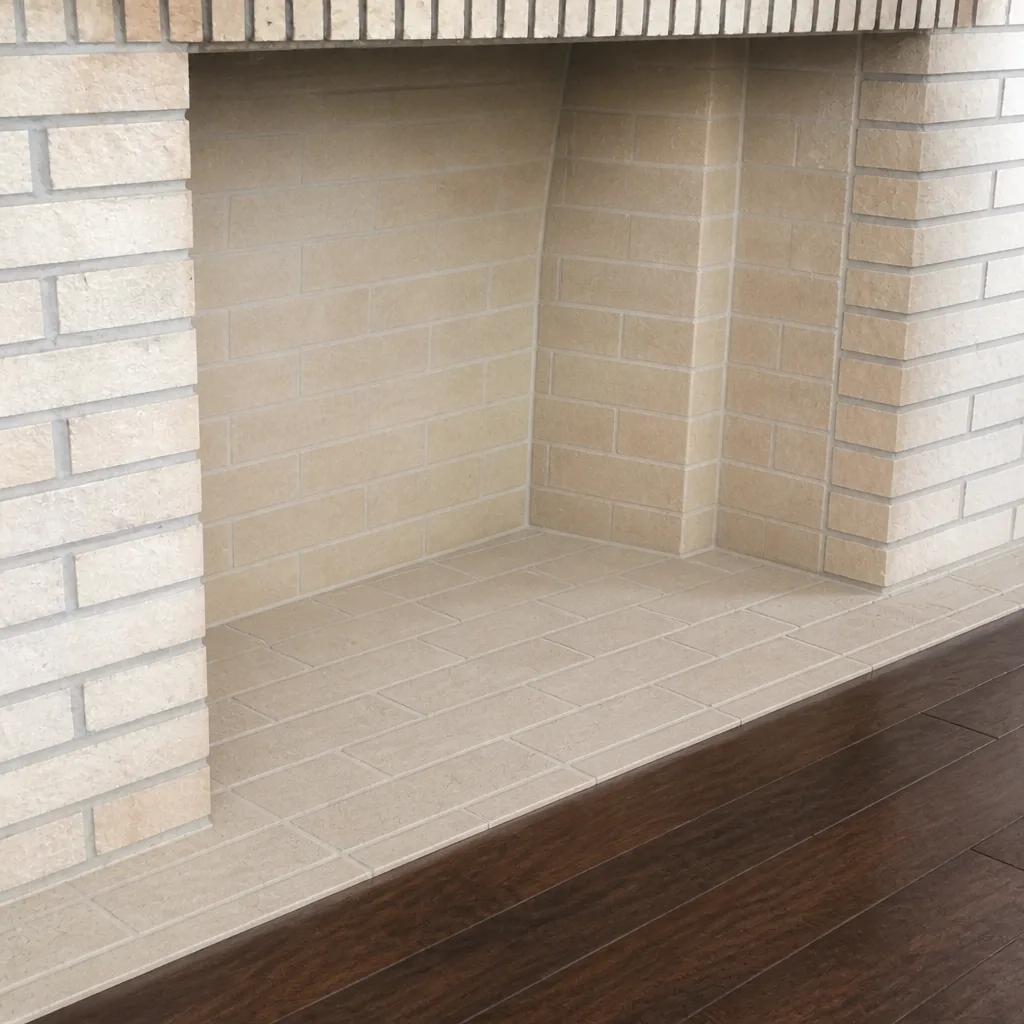
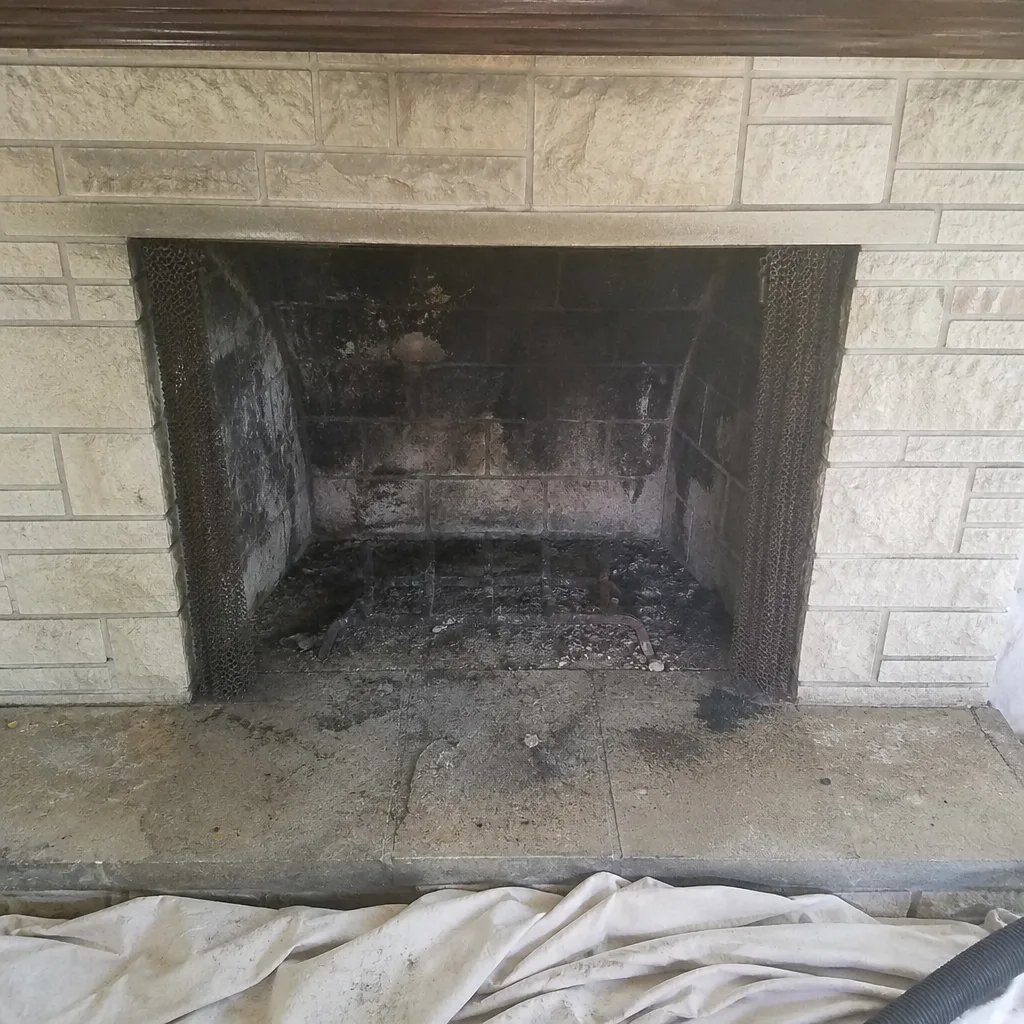
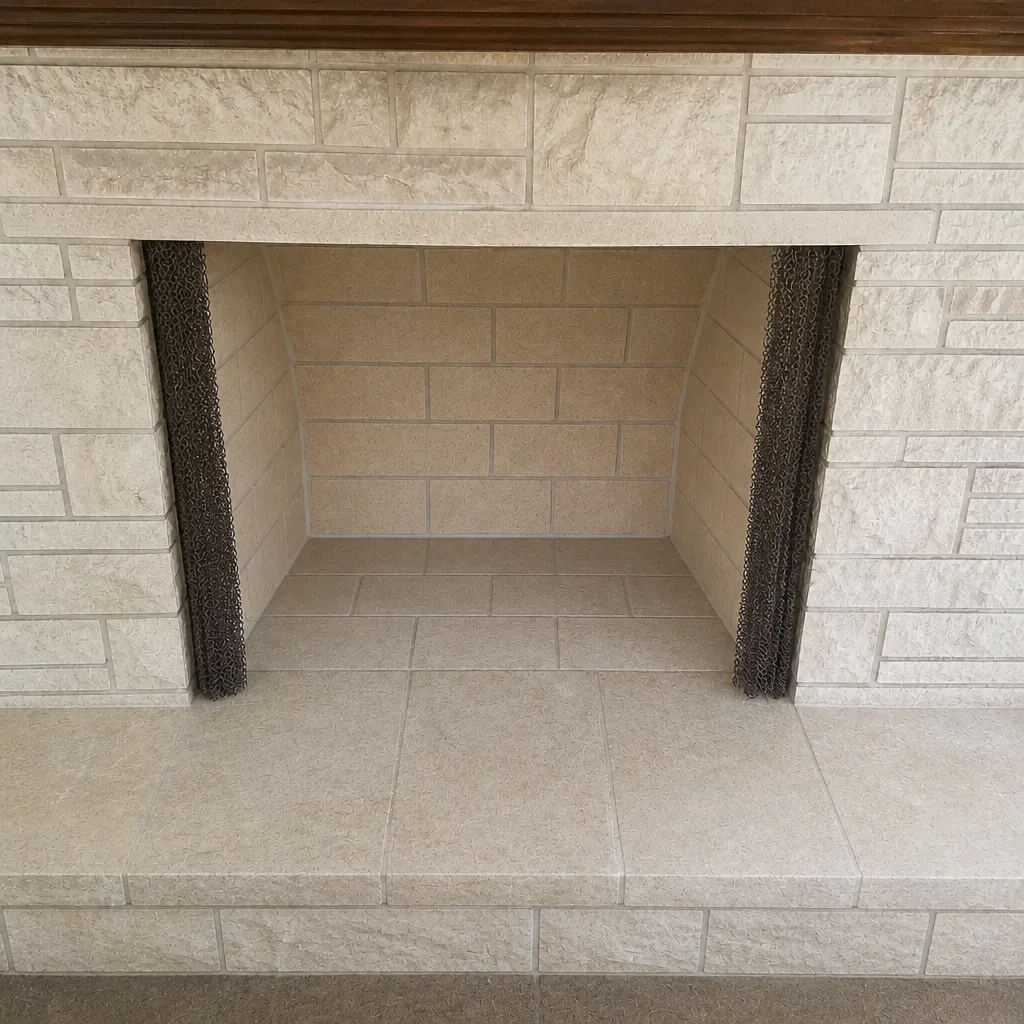
See the difference
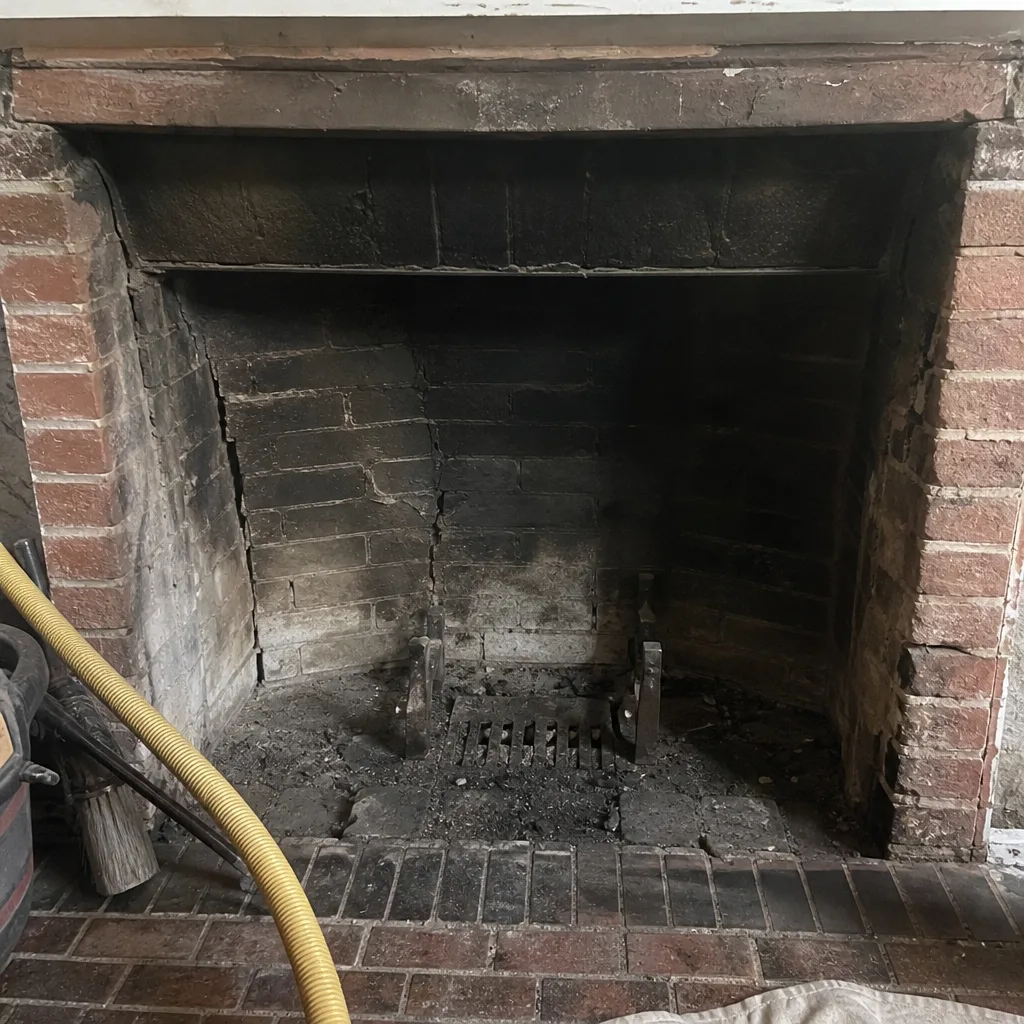 Before
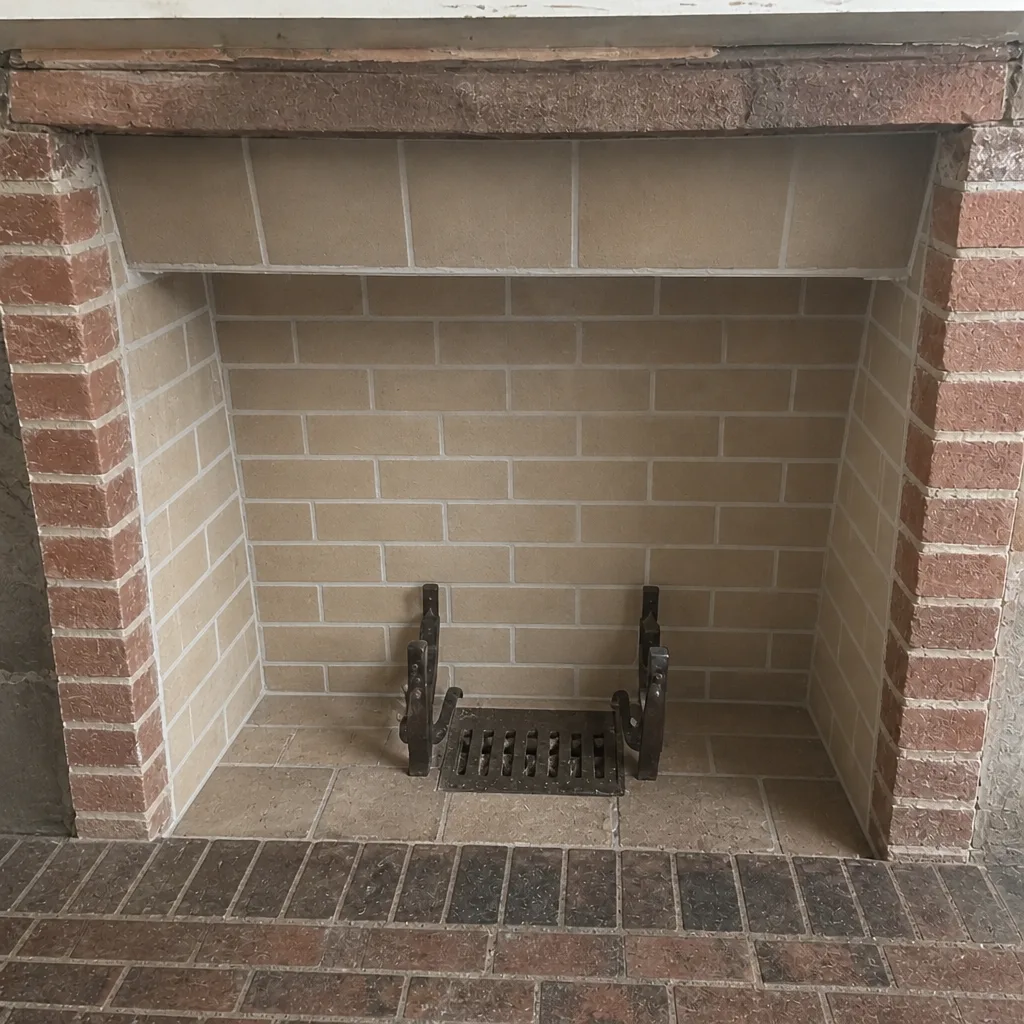 After
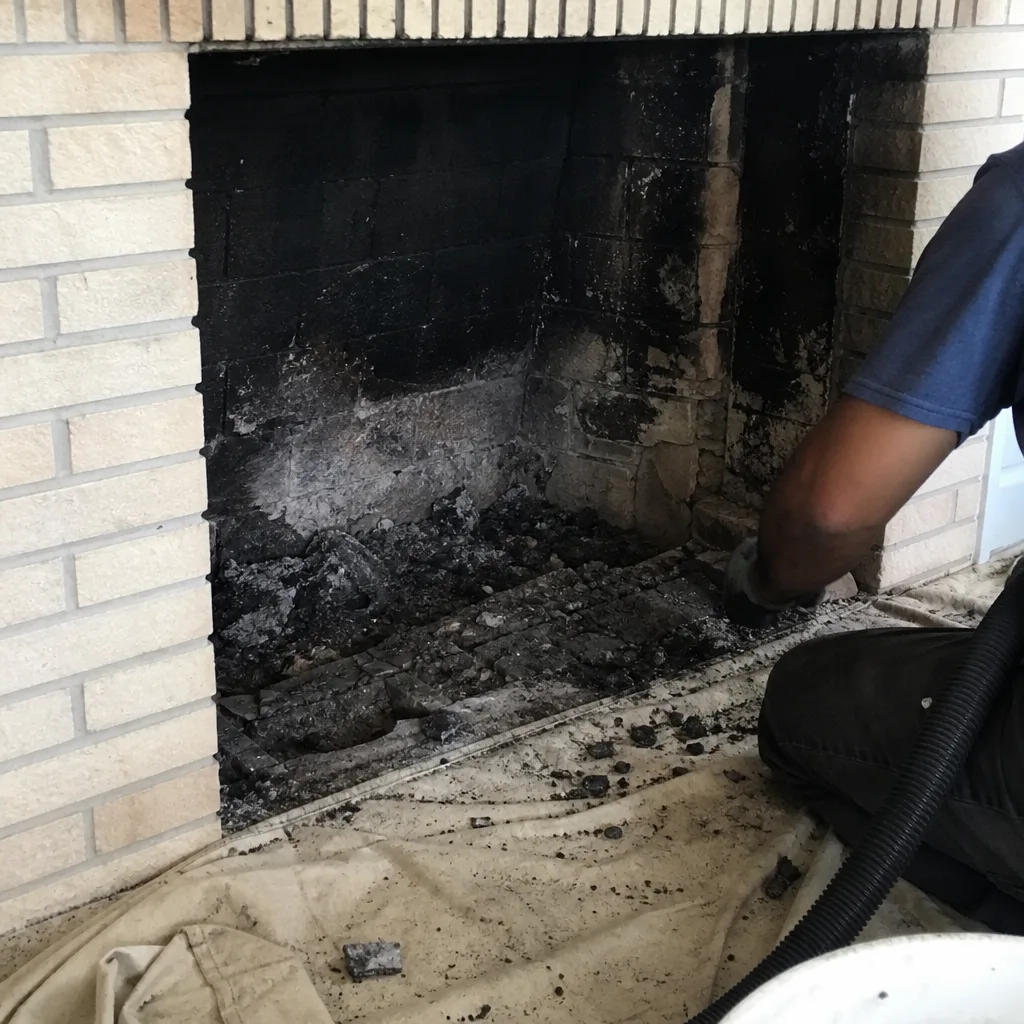 Before
 After
 Before
 After
When to Call a Professional
Some chimney situations call for a professional visit, not a decision made over the phone. If you’ve just bought a home with a fireplace and don’t know when the chimney was last serviced, book an inspection before the first fire. If you’ve been burning wood for a season or more without a sweep, book a sweep – creosote accumulates faster than most homeowners expect. If smoke backs into the room when you light a fire, if you smell a strong odor even when the fireplace is unused, or if you’ve noticed water stains or debris in the firebox, those are signs of a problem that needs a camera inspection. And if your chimney doesn’t have a stainless cap, adding one is straightforward and worth doing.
Citadel Chimney Cleaning offers free estimates in St. Petersburg – call (833) 467-4164. We answer 24/7, with fast dispatch from 7am to 7pm, Sunday through Friday. From inspection to repair, one specialist handles it all, and every recommendation comes with camera evidence you can see for yourself.
Frequently Asked Questions
A professional chimney contractor in St. Petersburg should be able to name specific brands for each job: DuraFlex for stainless liners, HeatShield for flue resurfacing, Gelco for crown and masonry repair, and Copperfield or Olympia Chimney for caps and components. When a contractor names these products and explains what each is used for, it shows they work within the professional chimney supply chain rather than buying generic materials. If they can’t name a brand, ask why – and be cautious about booking.
The answer depends on the condition of the flue. HeatShield resurfacing is the right choice when the clay tiles are damaged but structurally sound enough to be resurfaced. A full DuraFlex liner is the right choice when the flue is too damaged, or when a new appliance requires a properly sized passage. A camera inspection determines which applies. We don’t recommend a liner unless the flue needs one, and we don’t recommend resurfacing when a liner is the safer call. Call (833) 467-4164 for an exact quote – estimates are free.
Stainless steel caps last longer than galvanized or aluminum options, and in St. Petersburg’s humid climate that difference in lifespan is significant. A stainless cap also comes with a properly sized screen that keeps out rain and animals. For the cost, it’s the highest-return repair on the chimney.
Professional-grade sealants are formulated to withstand the thermal cycling, moisture, and adhesion demands of a chimney crown. Consumer-grade products are not. In St. Petersburg, where humidity is high for most of the year, an under-rated sealant fails within a season, allowing water into the masonry. The right product, correctly applied, lasts years longer and prevents the damage that water intrusion causes. Call (833) 467-4164 for an exact quote – estimates are free.
Yes, and you should. Frame it as curiosity about the process, not suspicion. Ask what product they’ll use for the specific repair and why. A specialist will name the brand and explain the fit. A generalist will be vague. The answer tells you what tier of work the company is equipped to do. Call (833) 467-4164 for an exact quote – estimates are free.
Once a year for any chimney in regular use, and before the first fire if you’ve just bought the home or can’t remember the last service. Regular use means any wood-burning fireplace or stove used through a season. Annual sweeping prevents creosote buildup and gives a trained eye a chance to catch developing problems before they become costly. Call (833) 467-4164 for an exact quote – estimates are free.
The Bottom Line
The brands a chimney company uses are the most visible signal of how seriously they take the work. A contractor who names HeatShield, DuraFlex, Gelco, and Copperfield has invested in the chimney trade – and that investment shows up in how they inspect, how they sweep, and how they repair. In St. Petersburg, where humidity puts extra strain on every exterior material, professional-grade products aren’t a luxury; they’re what makes a repair last. When you’re choosing a chimney professional, ask the questions in this guide. The answers will point you to the right company. Book a camera inspection to see the state of your flue before the first fire of the season.
Call (833) 467-4164 for a free estimate. We answer 24/7, with fast dispatch from 7am to 7pm, Sunday through Friday. From inspection to repair, one specialist handles it all – and nothing is recommended without camera evidence you can see for yourself.
Written by the team at Citadel Chimney Cleaning.