
Last updated November 15, 2026
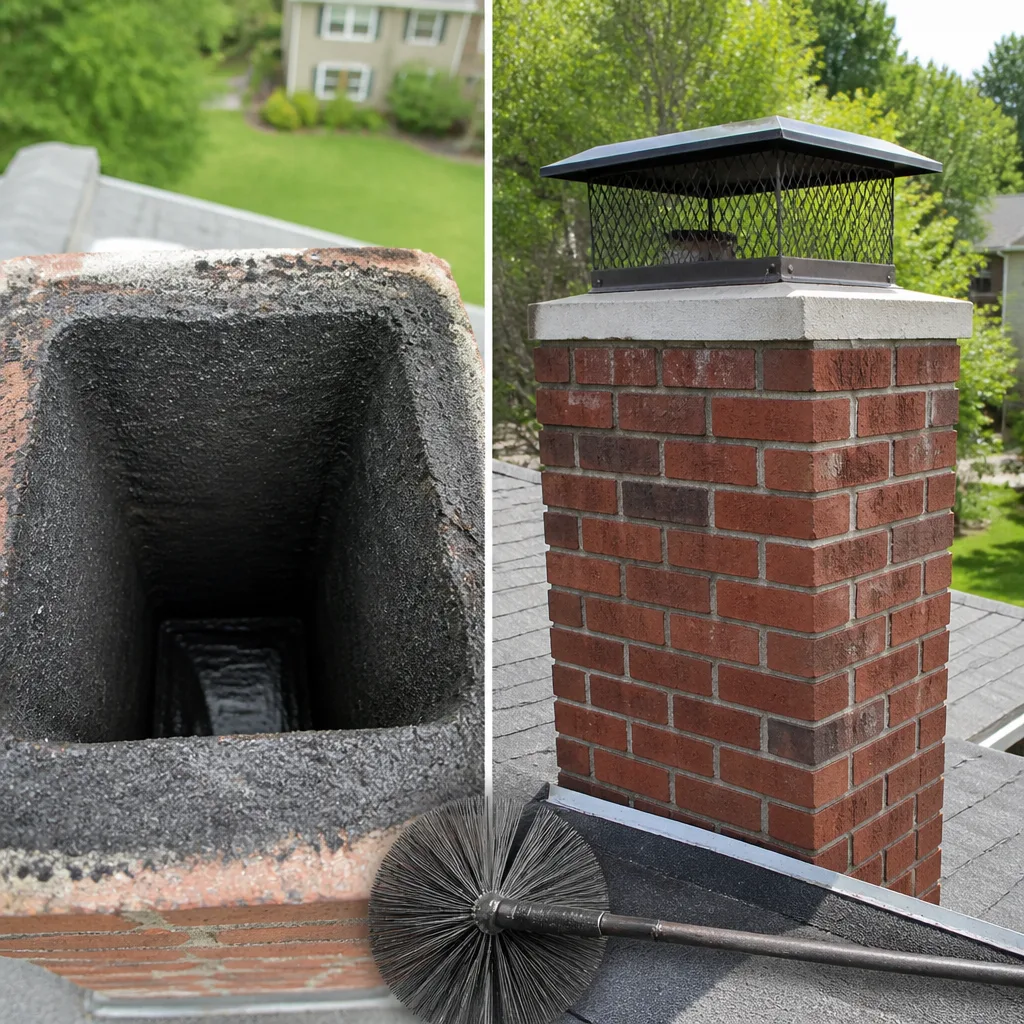 Sweep & inspection
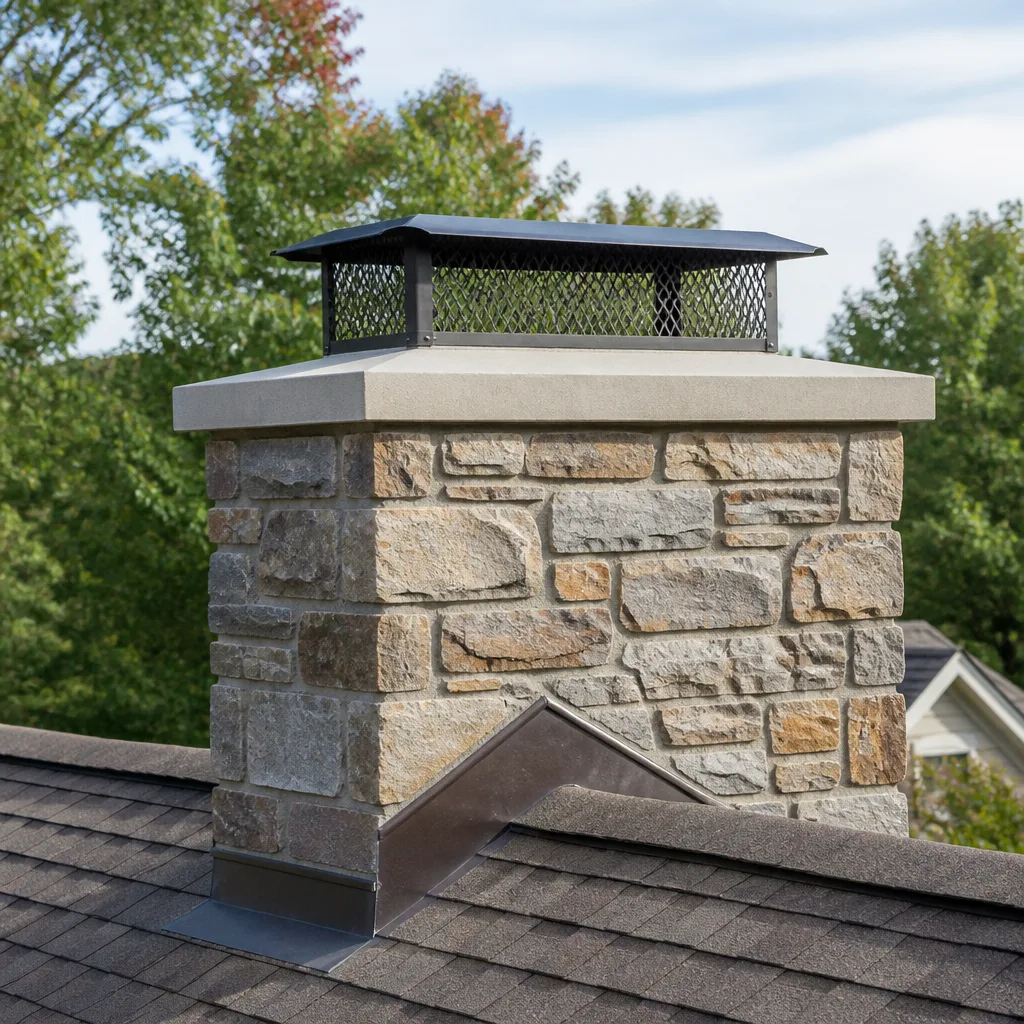 Caps & crowns
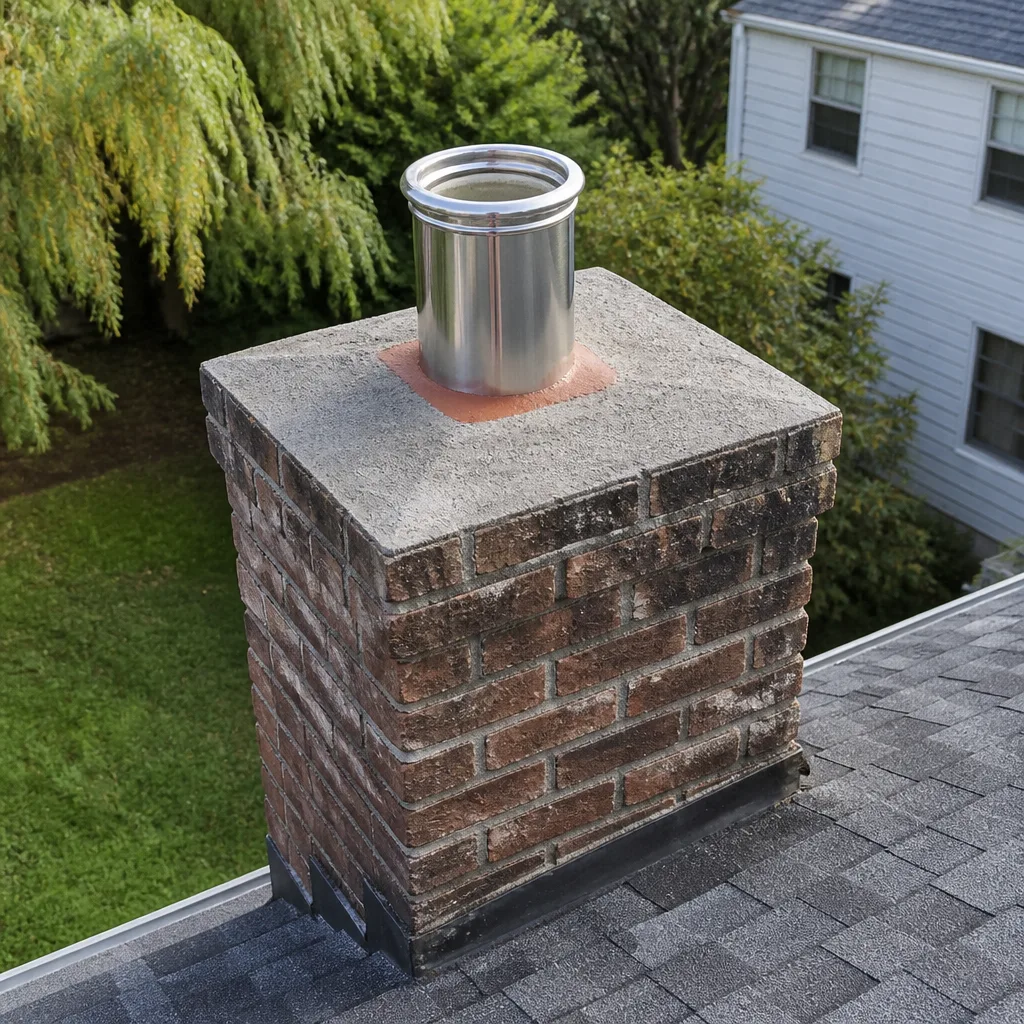 Flue relining
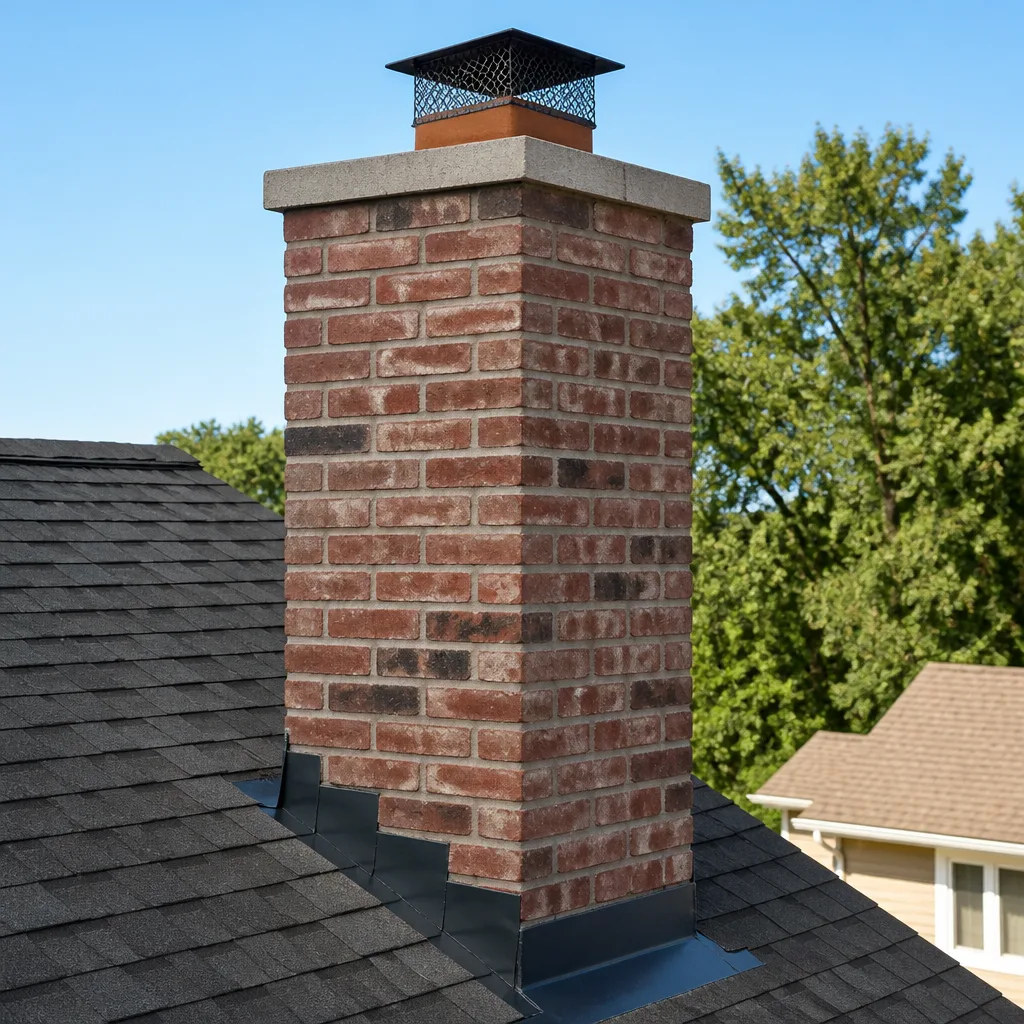 Masonry repair
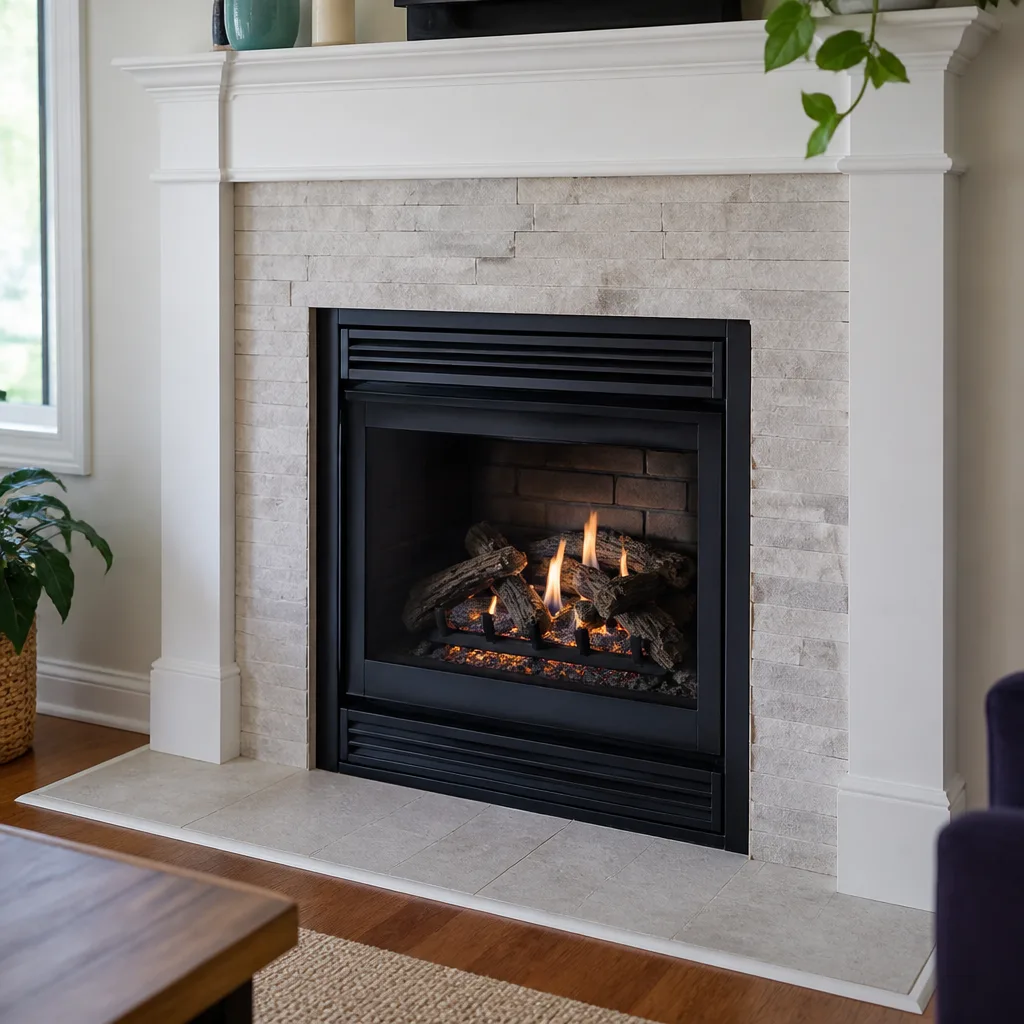 Gas fireplace service
Level 1 sweep and inspection to the NFPA 211 annual standard - flue, crown, cap, and flashing checked and photographed
Chimney sweep logs do not sweep chimneys. They loosen some creosote - which then falls where a brush and vacuum still have to collect it.
The Complete Guide to Chimney Cleaning in St. Petersburg
Most chimney guides are written for homeowners in Ohio and Vermont. If you’re using one in St. Petersburg, you’re missing roughly half the picture. Cold-climate advice centers on freeze damage and heating-season soot. Here, the threats look different: year-round humidity that keeps creosote tacky and corrosive, heavy summer rain that finds every gap in a crown or flashing, and wildlife that treats an unused flue as prime real estate. A fireplace that sits dark for nine months can still be a genuine hazard by the time you light it. This guide covers what chimney cleaning actually involves in St. Petersburg, how the local climate changes the job, and how to know when your chimney needs attention.
Quick Answer
Chimney cleaning in St. Petersburg means sweeping soot and creosote from the flue, inspecting the full system for blockages, cracks, and moisture damage, and confirming the chimney vents safely before you burn. Because the local climate keeps creosote soft and corrosive and leaves flues open to rain and wildlife for much of the year, an annual inspection matters even for fireplaces used only a handful of times per season.
Styles & brands we work with
- Sweep & inspection
- Caps & crowns
- Flue relining
- Masonry repair
- Gas fireplace service
Table of Contents
- Why Chimney Care in St. Petersburg Is Different From Cold-Climate Advice
- How Humidity and Moisture Attack a St. Petersburg Chimney
- Why Low-Use Fireplaces Still Need Cleaning
- NFPA 211 Inspection Levels and When Each Applies
- Cleaning Wood-Burning vs. Gas Fireplace Systems
- What a Full Chimney Sweep Involves, Step by Step
- How Often Should You Schedule a Sweep in St. Petersburg?
- What Does Chimney Cleaning Cost in St. Petersburg?
Why Chimney Care in St. Petersburg Is Different From Cold-Climate Advice
Chimney problems follow the climate. In a cold climate, the heating season is long and concentrated, so creosote builds fast and freeze-thaw cycles stress masonry. In St. Petersburg, the picture inverts. The burning season is short and scattered, but the humid season is long, and that humidity works on a chimney twelve months a year. A flue that stays damp encourages creosote to stay soft and acidic longer, and it gives masonry and metal components far more time to deteriorate.
That has real consequences for how we approach a chimney sweep in this market:
- Inspection matters as much as sweeping. A cold-climate sweep often focuses on volume of creosote. Here, the priority is catching moisture damage, hairline cracks, and failed seals before they turn into a liner problem.
- Blockages build during the off-season. Birds, squirrels, and wasps move into an open flue during the warm months. By the time you’re ready to burn, the chimney may be blocked by nesting material, not soot.
- Caps and crowns earn their keep. A missing or damaged cap lets rain straight into the flue. In a place with a long rainy season, that’s the single most common source of premature liner damage we see.
- Gas fireplaces still need attention. Many St. Petersburg homes have vented gas logs rather than wood-burning hearths. Those systems don’t produce creosote the same way, but they still need venting checks and a clear flue.
The takeaway: don’t copy a Vermont maintenance calendar into a Florida home. The tasks overlap, but the reasons and the timing don’t.
How Humidity and Moisture Attack a St. Petersburg Chimney
Moisture is the quiet cause behind most of the chimney repairs we’re called out for in St. Petersburg. When water gets into a flue and stays there, the damage compounds. Creosote that would normally dry and flake stays tacky, so it clings to the liner and keeps accumulating instead of shedding. Masonry absorbs water and holds it, and the repeated wet-then-dry cycle slowly opens joints and surfaces. Metal liners and dampers corrode faster when they never fully dry out.
The entry points are usually the same handful of places:
- The crown. The concrete cap on top of the chimney cracks over time. Once it does, water runs down into the masonry structure itself.
- Flashing. The seal where the chimney meets the roof is a common leak point, especially after years of sun and rain.
- A missing cap. Without a chimney cap, rain falls directly into the flue. This is the easiest problem to prevent and one of the most damaging to ignore.
- Cracked flue tiles. Clay tile liners can crack, letting moisture and combustion gases into the surrounding structure.
In our experience, a homeowner rarely notices these until the damage is well along, because none of it is visible from the living room. That’s why we inspect the full system, not just the firebox. A chimney is a structural safety system, and we treat it like one. If a cap is missing or a crown is failing, we can address it with materials from recognized chimney-industry brands rather than generic substitutes, so the fix holds up in this climate.
Why Low-Use Fireplaces Still Need Cleaning
One of the most common assumptions in St. Petersburg is that a fireplace used a few times a year doesn’t need servicing. It’s an understandable conclusion, and it’s wrong. A chimney that sits unused is still open to the sky, the weather, and local wildlife. What builds up over a quiet year isn’t necessarily creosote. It’s often debris, nesting material, or a partially collapsed flue component. And a flue blocked by a bird’s nest can vent smoke and carbon monoxide back into the home just as surely as one clogged with soot.
We’ve seen fireplaces that were lit maybe three times last winter and still had significant problems on inspection. The reasons come down to a few things:
- Wildlife. Birds, squirrels, and insects find uncapped flues during the long warm season. Nesting material is flammable and blocks airflow.
- Storm debris. Windblown leaves and twigs land on the smoke shelf or drop down the flue during summer storms.
- Deterioration continues whether you burn or not. Moisture damage and corrosion don’t pause because the fireplace is idle.
- Gas systems idle differently. A vented gas fireplace that hasn’t run in months can have a vent that’s been quietly compromised by a pest or a failed component.
If you own a fireplace you haven’t used in a season or two, don’t assume it’s fine because it’s been quiet. Know exactly what’s inside your flue before you light the first fire of the season. For anyone buying a home in St. Petersburg with a fireplace, that inspection is even more valuable before closing, when a specialist can tell you what condition the system is really in.
NFPA 211 Inspection Levels and When Each Applies
The National Fire Protection Association sets the standard for chimney inspections in NFPA 211, and it defines three levels. Knowing which one you need tells you what you’re actually paying for. A level isn’t just thoroughness for its own sake; each level is matched to a situation.
- Level 1 inspection. A visual check of readily accessible parts of the chimney and venting system, without tools that require opening or dismantling anything. This is the standard inspection when the appliance is unchanged and you’re due for routine service. For most St. Petersburg homeowners burning the same fireplace year after year, this is the baseline.
- Level 2 inspection. Everything in a Level 1 plus a closer look at accessible areas of the chimney, including the attic and crawl spaces where reachable, and often a video scan of the flue. This level applies when there’s been a change: a new appliance, a change in fuel type, a chimney replaced or relocated, or a property changing hands. If you’re buying a home in St. Petersburg, a Level 2 is the right call before you commit.
- Level 3 inspection. The most involved level, used when a Level 1 or 2 turns up a problem that can’t be assessed without reaching concealed areas. It may require removing parts of the chimney or surrounding structure. This is reserved for specific suspected hazards.
In practice, most St. Petersburg homes start with a Level 1 or Level 2 depending on their situation. When a flue scan shows a crack or a failing liner, we can talk through repair options the same visit, using HeatShield for liner resurfacing or DuraFlex for relining where appropriate. From inspection to repair, one specialist handles it all, so you’re not tracking down a second contractor to finish the job.
Cleaning Wood-Burning vs. Gas Fireplace Systems
Wood and gas fireplaces need different cleaning approaches, and St. Petersburg has plenty of both. Knowing which system you have tells you what the technician is actually looking for when they arrive.
Wood-burning fireplaces. The main work here is removing soot and creosote from the flue, firebox, smoke shelf, and damper. Creosote comes in stages, from light soot to a hardened glaze, and glazed creosote sometimes requires rotary cleaning tools to break it down. This is also where a moisture problem shows up first, because soft creosote in a damp flue clings harder. A wood-burning system generally needs an annual inspection and a sweep based on how much you burn.
Vented gas fireplaces and gas log sets. These produce far less soot, but they still vent through the chimney, so the flue still needs to be clear. The priorities shift toward confirming the venting is correct, checking for corrosion or debris, and making sure no pest has moved in during the off-season. Gas systems are often neglected because they look clean, but the venting is still doing important work. For gas appliances especially, we recommend a trained technician handle any inspection of connections and venting; gas issues aren’t a place for guesswork.
Whichever you have, the goal is the same: a flue that vents cleanly and a system that won’t surprise you. If you’re unsure which category your fireplace falls into, that’s exactly the kind of question a proper inspection answers.
What a Full Chimney Sweep Involves, Step by Step
A professional sweep is a methodical job, not a quick brush-and-go. Here’s the general sequence, in the order a trained technician typically follows it.
- Protect the room. Drop cloths and a sealed work area keep soot out of the house. A HEPA vacuum runs throughout so fine dust doesn’t drift into living space.
- Check the firebox and damper. Visual assessment of the firebox, damper, and smoke shelf before any cleaning begins, so we know what we’re dealing with.
- Sweep the flue. Rotary brushing tools clear soot and creosote from the liner walls. The type of brush and whether a rotary system is needed depends on how hard the creosote has bonded.
- Clean the firebox and smoke shelf. Debris and buildup are removed from the firebox floor and the shelf behind the damper where creosote and debris collect.
- Inspect the full system. Once clean, the flue, cap, crown, and flashing are checked, with a camera scan where the level of inspection calls for it. Photos let you see what we see.
- Review findings and next steps. We explain the condition of the system and whether anything needs repair, and what can safely wait.
The reason the process is this structured is that chimney work involves genuine hazards. Creosote is highly flammable, and a chimney fire can spread into the structure of a home. Carbon monoxide from a compromised flue is invisible and odorless. For high-risk conditions like a suspected cracked liner or blocked flue from a failed component, a trained professional should be the one assessing it, and we’d never walk a homeowner through a do-it-yourself fix for those. The danger is real, and a specialist’s judgment protects both the home and the people in it.
How Often Should You Schedule a Sweep in St. Petersburg?
For most St. Petersburg homeowners, an annual inspection is the right rhythm, with a sweep whenever the inspection shows it’s needed. The standard guidance is to have the chimney inspected once a year and cleaned as conditions warrant, and that holds here even with a short burning season, because the climate works on the system year-round.
A few local considerations that shift the timing:
- If you burn regularly through the cooler months, plan on a sweep at least once a season, and more often if you notice heavy creosote buildup.
- If you burn rarely, the annual inspection still matters, because moisture, storms, and wildlife don’t take the year off.
- Before the first fire of the season is the best time to know the state of your chimney, so any issue gets addressed before you’re relying on the fireplace.
- After a major storm, a quick check of the cap and crown is worth it, given how much rain and wind a St. Petersburg summer can bring.
A fireplace that’s been quiet for a year or more is the one most likely to have an unaddressed problem. If that sounds like your home, a chimney repair evaluation alongside the sweep makes sense, since the two often go together.
What Does Chimney Cleaning Cost in St. Petersburg?
Chimney cleaning is priced per job, and the written estimate sets the final price. A standard sweep on an accessible wood-burning fireplace is typically the most affordable service, while inspections with a flue camera and repairs like relining add to the scope. Because every chimney is different, the right way to get an accurate number is a written estimate after the technician sees the system.
- Standard sweep: the routine cleaning of a straightforward wood-burning flue.
- Inspection: visual inspection at Level 1, or a closer look with a flue scan at Level 2.
- Repairs: cap and crown work, liner resurfacing with HeatShield, or relining with DuraFlex, priced by the scope of the work.
We give free estimates, and we won’t recommend work the inspection doesn’t support. That’s a meaningful point in a trade where homeowners sometimes hear about thousands of dollars of liner or masonry work they have no way to verify. Our approach is to show you what the camera and the inspection find, explain what genuinely needs attention, and tell you plainly when something can safely wait. Call (833) 467-4164 for an exact quote, and we’ll set it up.
Common Mistakes to Avoid
- Treating a Florida fireplace like a cold-climate one. Copying a northern maintenance calendar misses the moisture and off-season blockage risks that matter most in St. Petersburg.
- Skipping service because you barely burn. A low-use fireplace is still open to weather and wildlife, and those cause real problems independent of how much you burn.
- Ignoring a missing chimney cap. Letting rain fall straight into the flue is one of the fastest routes to liner damage in this climate.
- Assuming a gas fireplace needs no attention. Gas systems still depend on clear venting, and they’re often skipped because they look clean.
- Hiring a generalist for a specialist’s job. A chimney is a structural safety system; the tools and materials should be chosen specifically for chimney work, not repurposed from other trades.
- Settling for generic repair materials. Off-brand liners and caps tend not to hold up in a humid climate the way recognized chimney-industry products do.
- Going without a pre-purchase inspection. Buying a home with a fireplace without a Level 2 inspection leaves you guessing about the condition you’re inheriting.
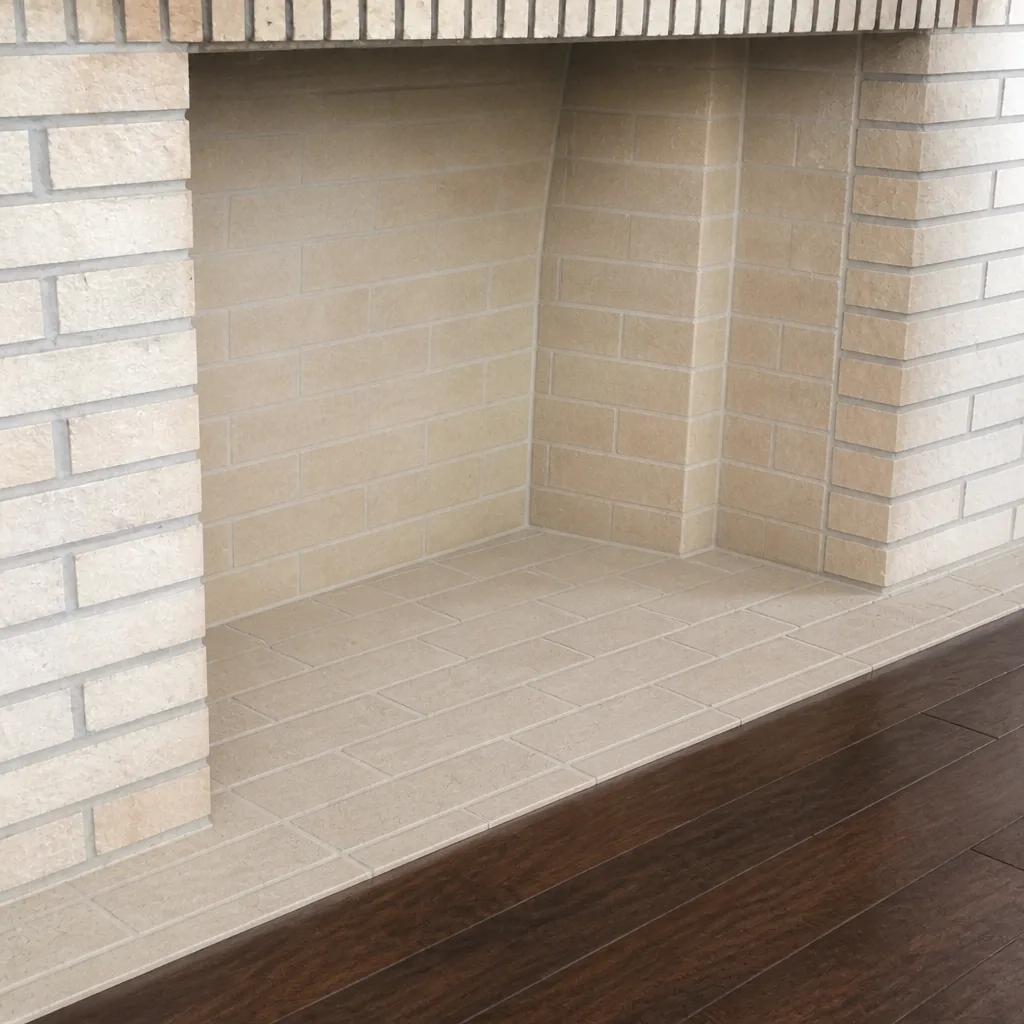
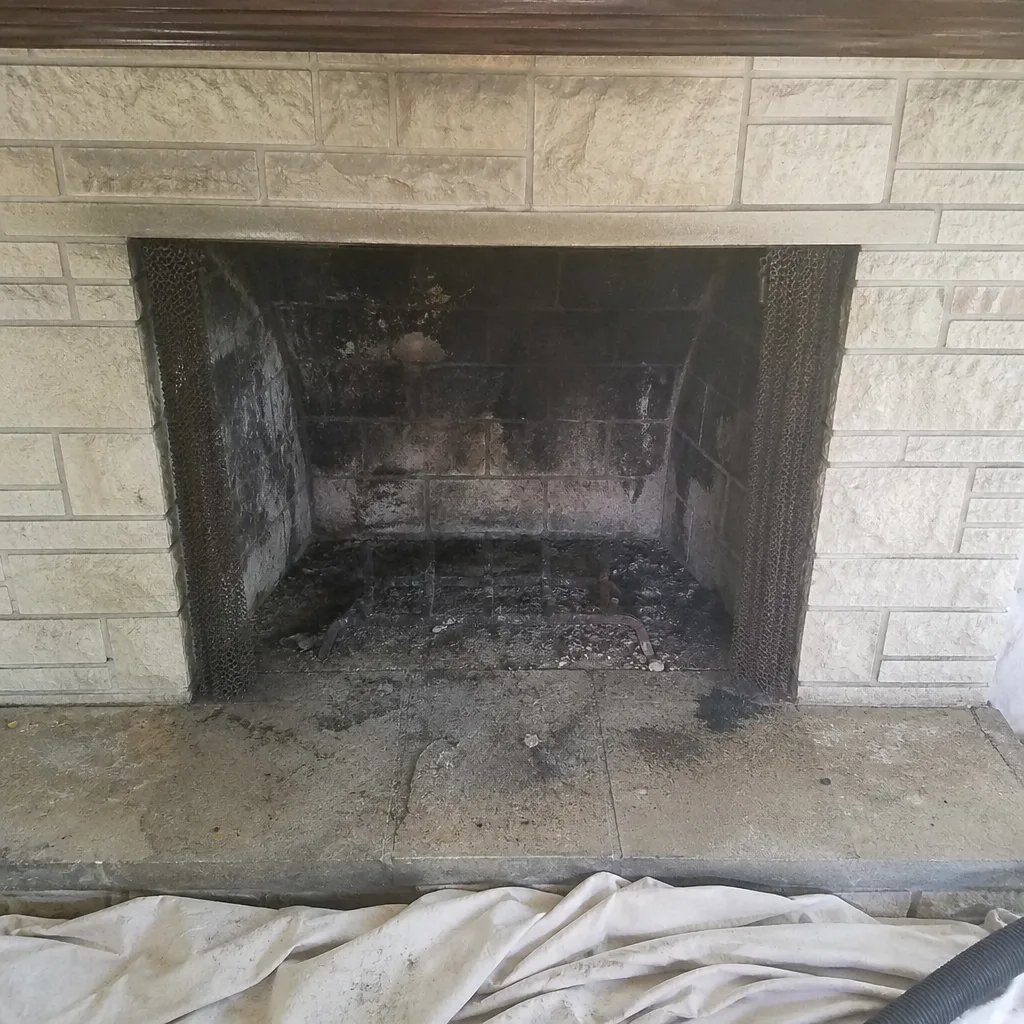
See the difference
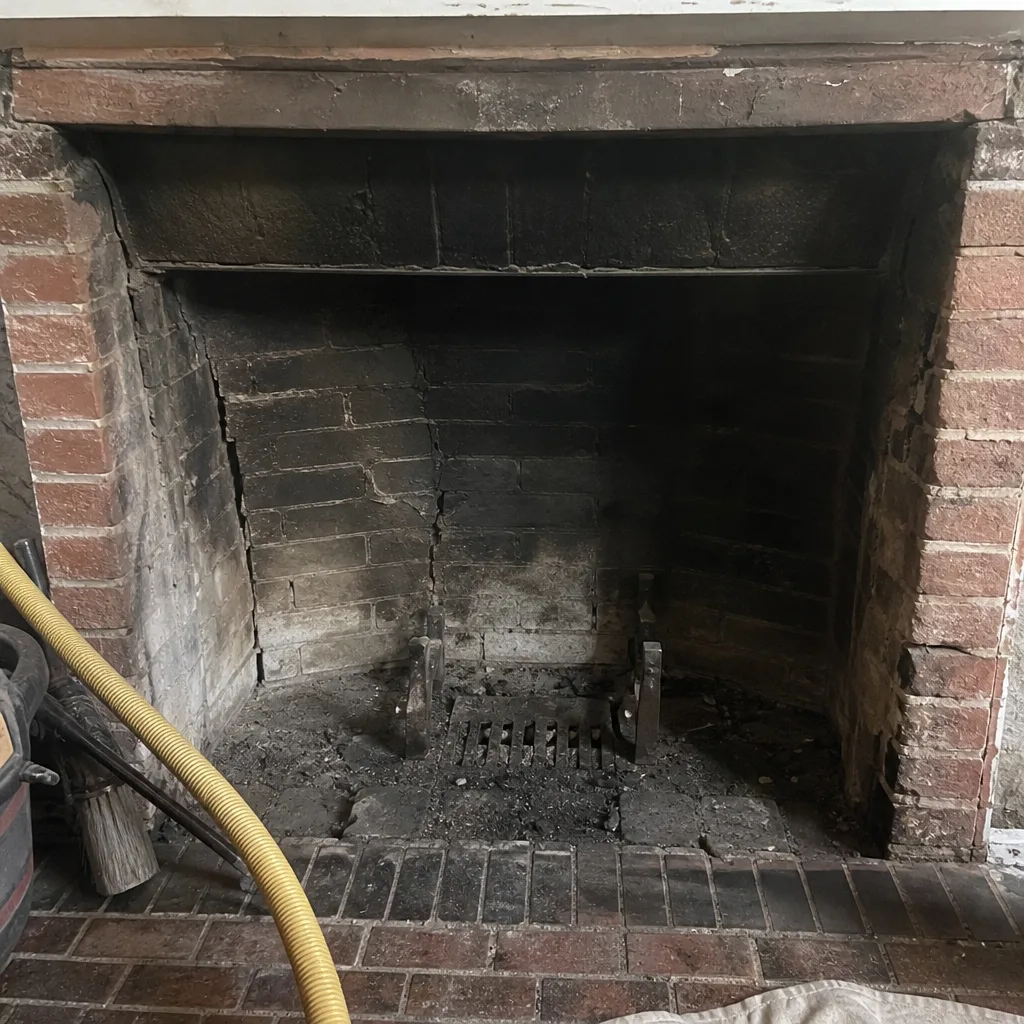 Before
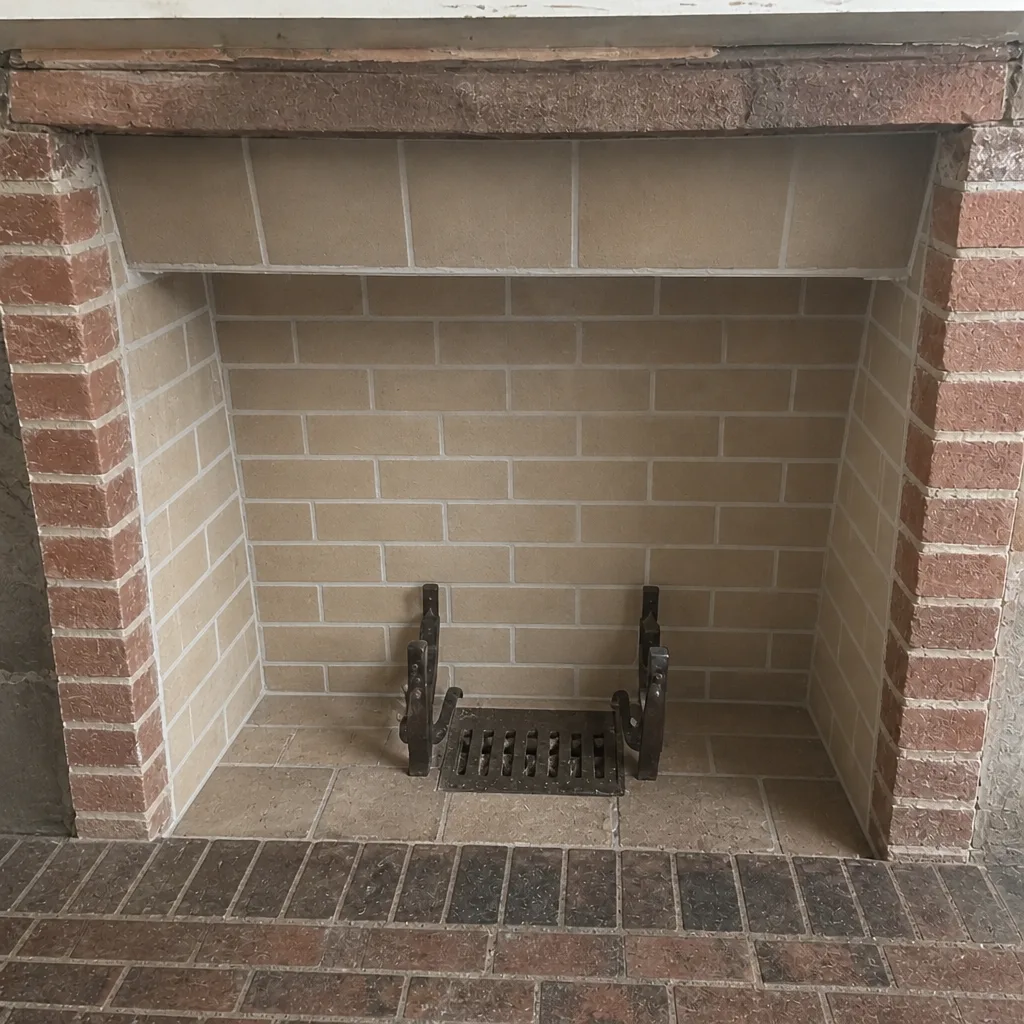 After
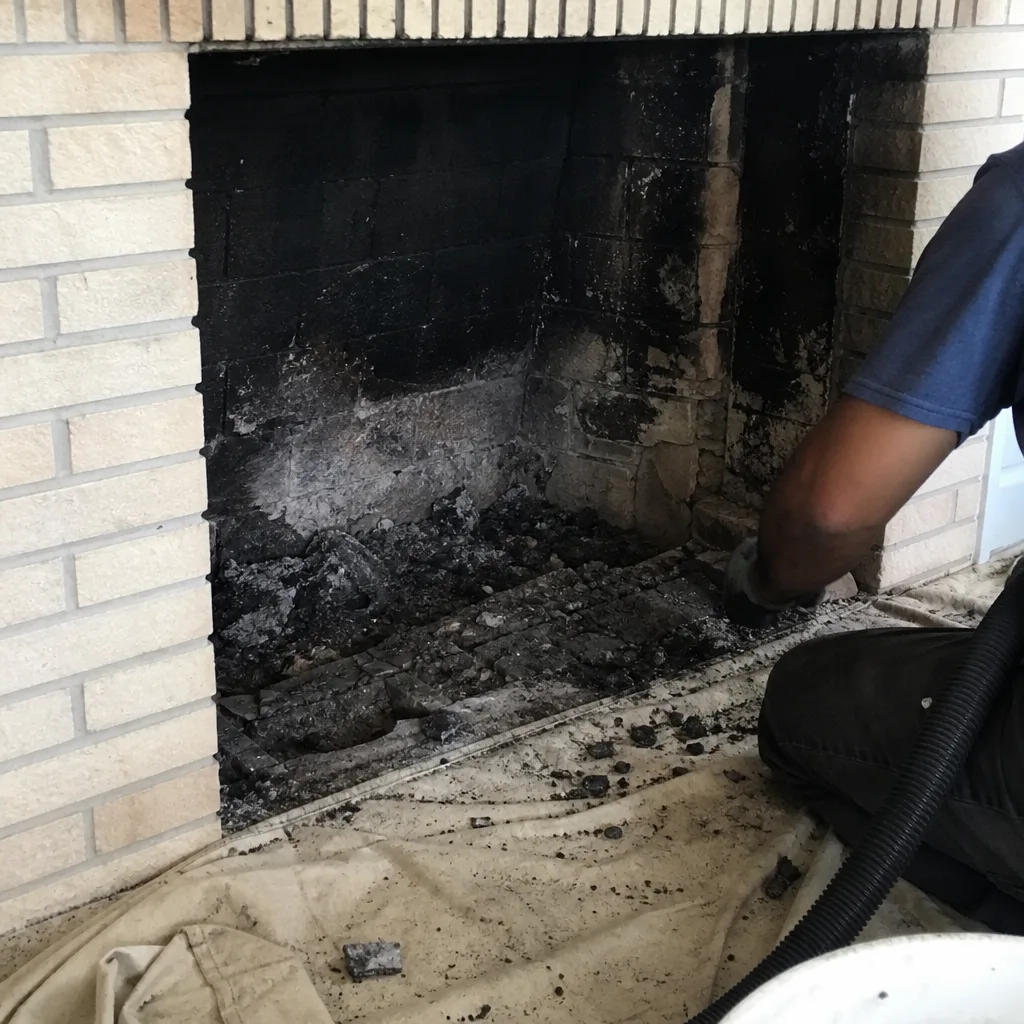 Before
 After
 Before
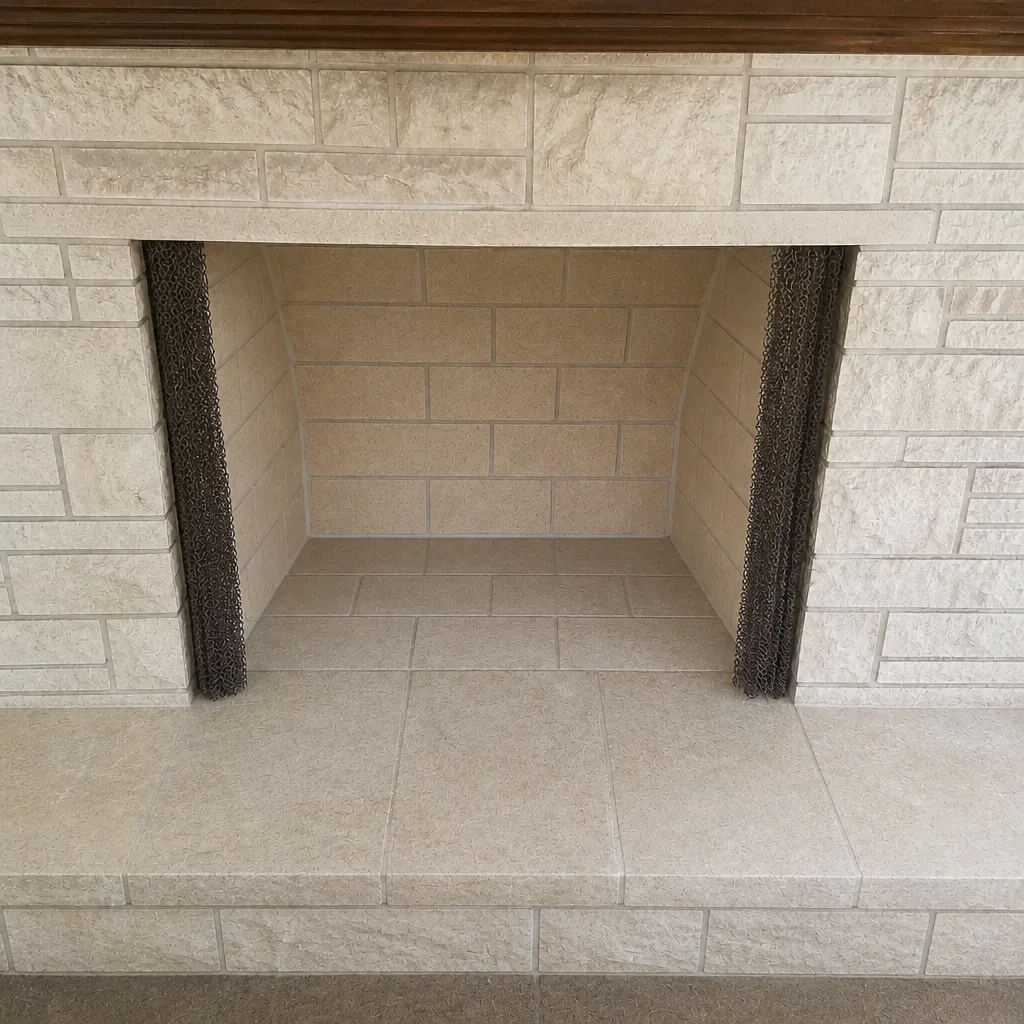 After
When to Call a Professional
Some situations call for a specialist rather than a wait-and-see approach. If you’ve never had your chimney inspected, or it’s been more than a year, that’s the first reason. If you’re buying a home with a fireplace, a Level 2 inspection before closing protects you. If you notice smoke backing into the room, a persistent draft problem, or signs of water inside the firebox, those point to issues that shouldn’t wait. And if you’re about to light the first fire of the season and can’t remember the last time the flue was checked, that’s the moment to call. Citadel Chimney Cleaning offers free estimates in St. Petersburg. Call (833) 467-4164. We answer 24/7. Fast dispatch from 7am to 7pm, Sunday through Friday.
Frequently Asked Questions
Chimney cleaning is priced per job, and the written estimate sets the final price, with a standard sweep typically the most affordable service and inspections with a flue camera or repairs adding to the scope. Call (833) 467-4164 for an exact quote. Estimates are free.
Yes, because a low-use chimney still collects storm debris and wildlife nesting material and still takes on moisture during the long rainy season. The risk isn’t only creosote; a blocked or damaged flue is unsafe regardless of how often you light a fire. Call (833) 467-4164 to schedule an inspection.
Plan on an annual inspection, with a sweep whenever the inspection shows it’s needed, and more frequent sweeping if you burn regularly through the cooler months. A fireplace that’s been idle for a season or more should be checked before it’s used again. Call (833) 467-4164 to book a sweep.
Skipping it lets creosote, moisture damage, and blockages go unaddressed, and those raise the risk of a chimney fire or of carbon monoxide venting into the home. The damage also compounds quietly, turning a small repair into a larger one. Call (833) 467-4164 to get an honest assessment of where your chimney stands.
Routine service on an unchanged fireplace usually calls for a Level 1 visual inspection, while a Level 2 applies when there’s been a change like a new appliance, a fuel change, or a home sale. If you’re buying a home in St. Petersburg, a Level 2 is the right choice. Call (833) 467-4164 and we’ll help you figure out which one fits.
We handle inspection, sweep, and repair under one company, so what we find can be addressed without a separate referral. That includes liner resurfacing and relining using recognized products like HeatShield and DuraFlex. Call (833) 467-4164 for a free estimate.
The Bottom Line
Chimney care in St. Petersburg follows a different logic than the cold-climate guides most people find online. Humidity and rain are the persistent threats, low-use fireplaces still need attention because they’re open to wildlife and weather, and inspections matched to the right NFPA 211 level tell you what’s really going on inside the flue. A proper sweep is a methodical job with the right tools, and repairs should use materials built for chimney systems. For homeowners in St. Petersburg with a fireplace or wood-burning stove, the practical move is simple: know the condition of your chimney before you light the first fire of the season. Citadel Chimney Cleaning covers inspection, sweep, and repair with professional-grade chimney brands, and our technicians have up to 11 years of experience. Call (833) 467-4164 for a free estimate. We answer 24/7. Fast dispatch from 7am to 7pm, Sunday through Friday.
Written by the team at Citadel Chimney Cleaning.