
Last updated November 15, 2026
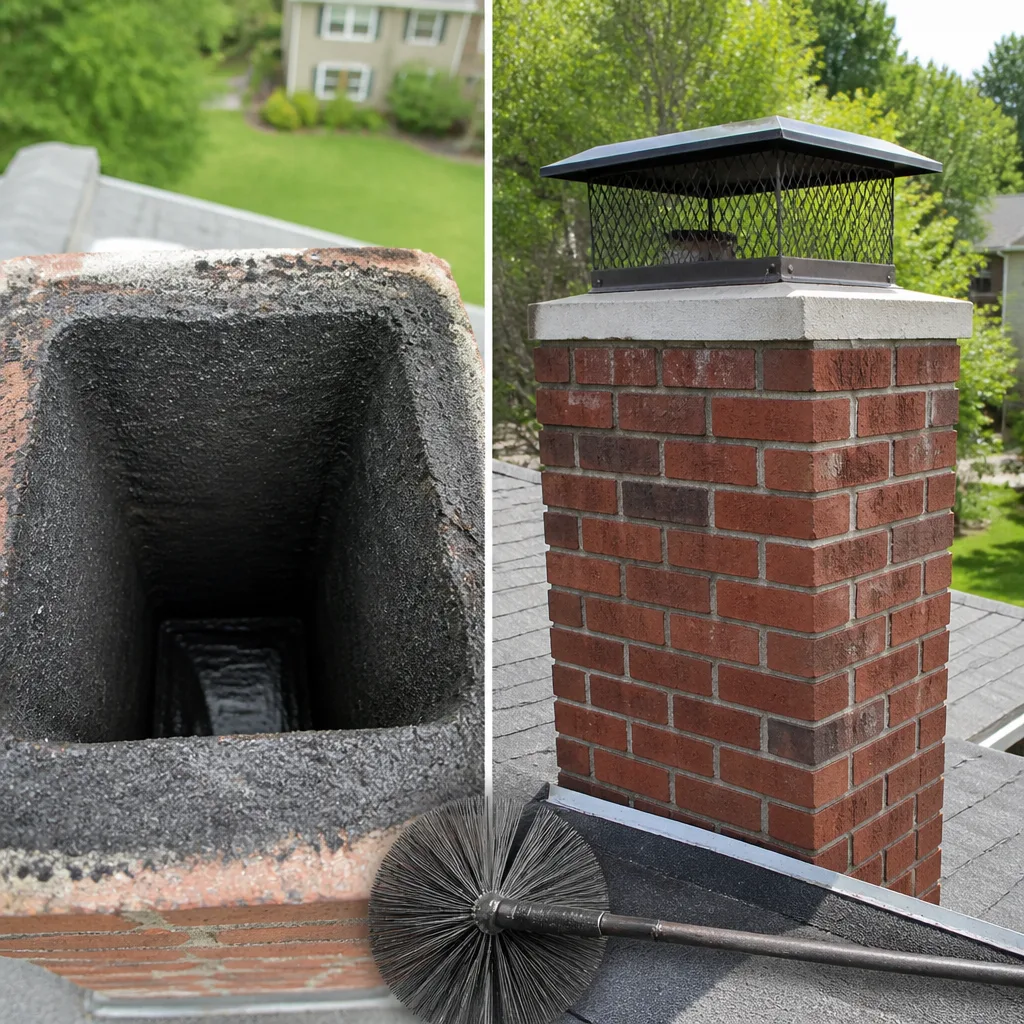 Sweep & inspection
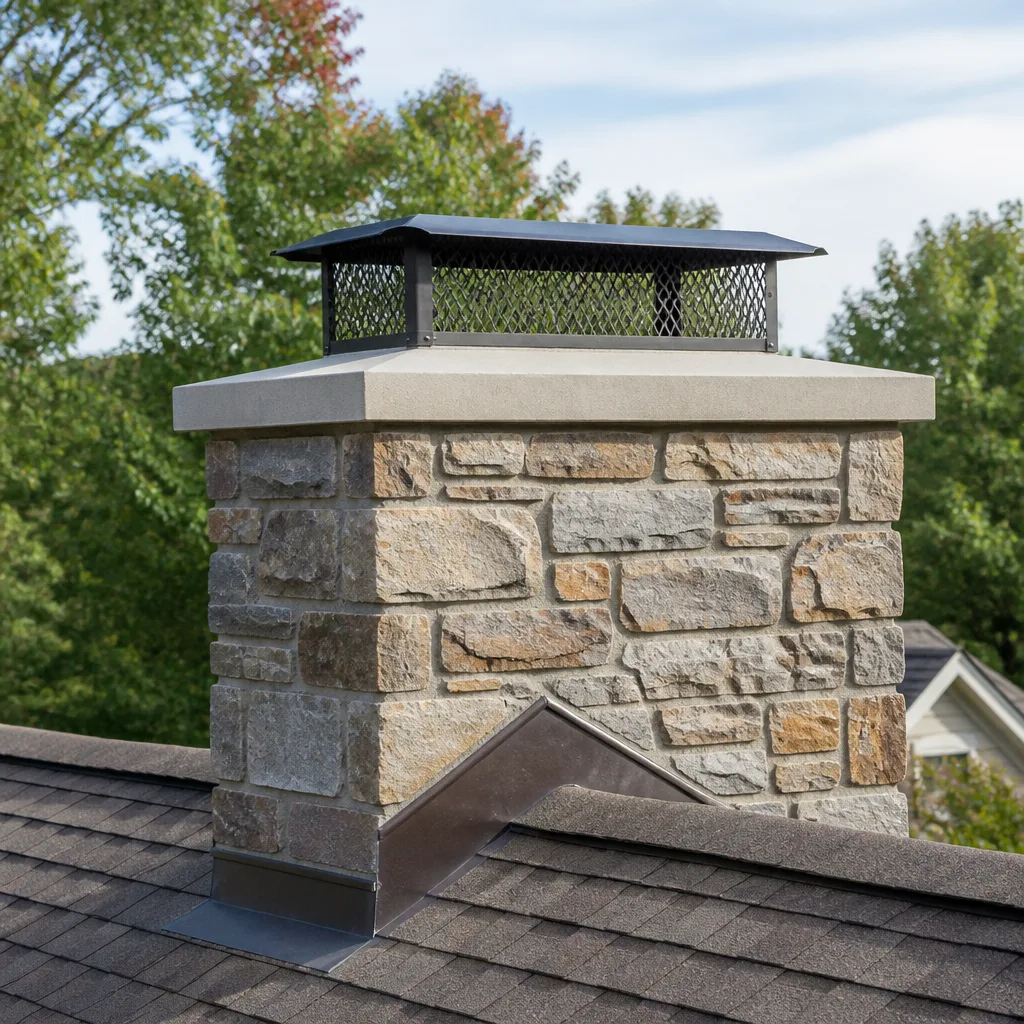 Caps & crowns
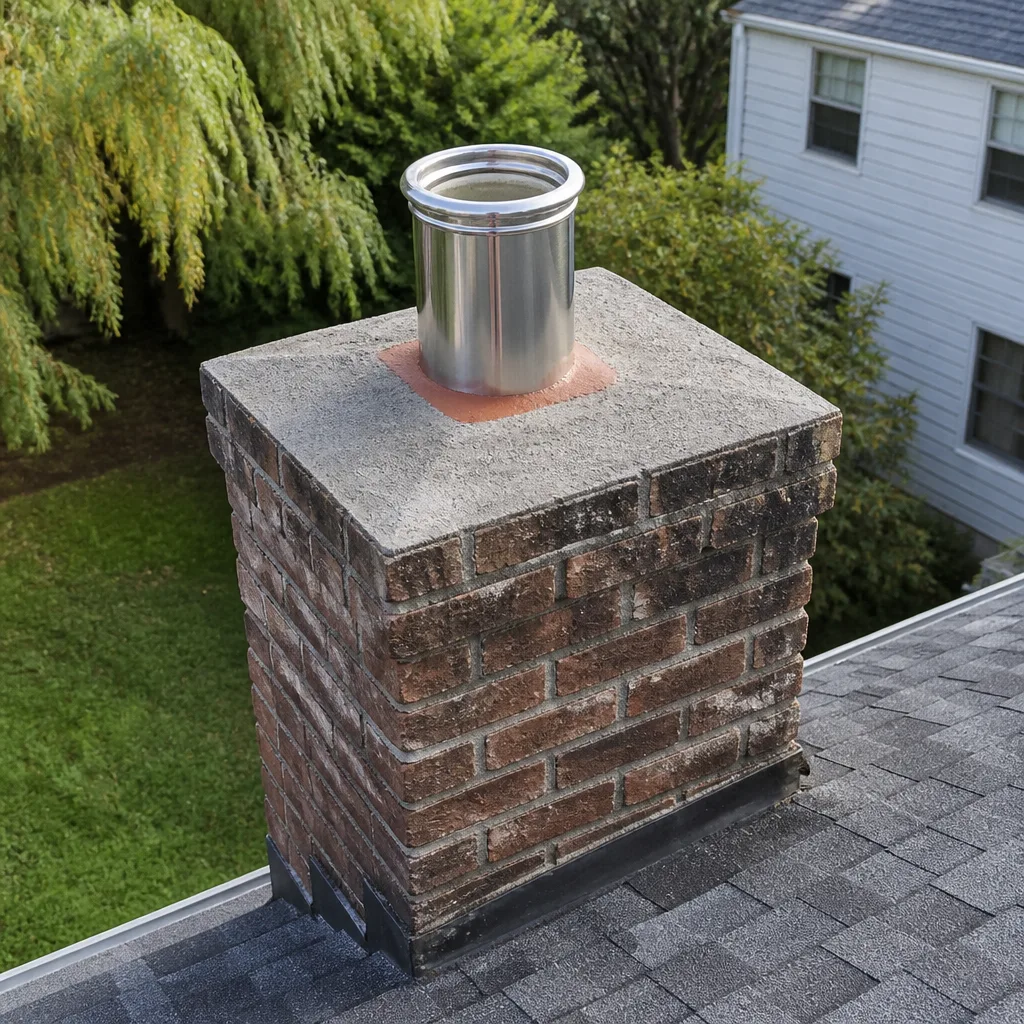 Flue relining
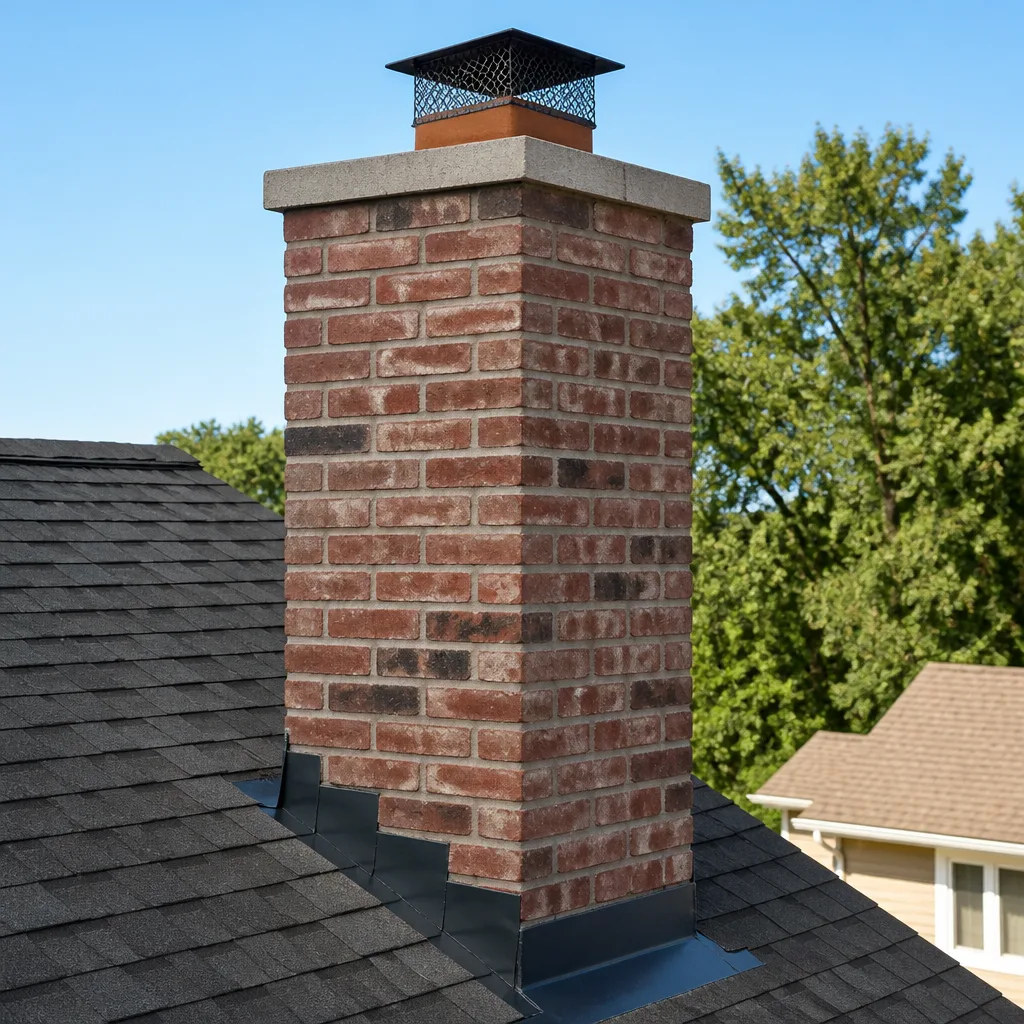 Masonry repair
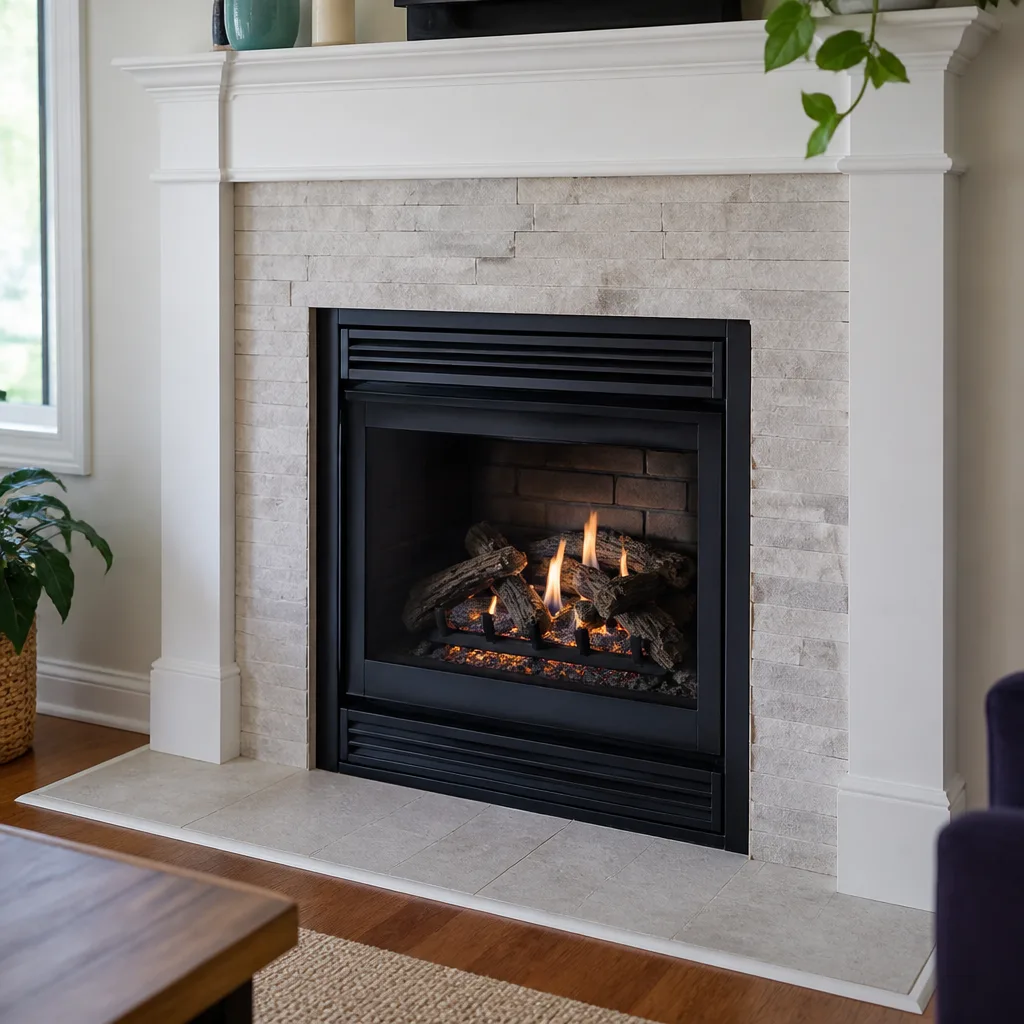 Gas fireplace service
Level 1 sweep and inspection to the NFPA 211 annual standard - flue, crown, cap, and flashing checked and photographed
Chimney sweep logs do not sweep chimneys. They loosen some creosote - which then falls where a brush and vacuum still have to collect it.
Chimney Sweep Troubleshooting in St. Petersburg: Common Problems and How to Fix Them
If your fireplace smokes back into the room, most online sources will tell you to open the damper wider. That advice misses the point. In St. Petersburg’s humid air and shallow chimney configurations, backdrafting is usually a pressure differential problem, not a damper problem. Opening the damper when the real issue is a blocked flue, a failing cap, or a negative-pressure imbalance in a sealed house does nothing except add smoke to the room. What follows is a troubleshooting guide for homeowners who want to understand what’s actually happening inside their chimney before they light the next fire. You’ll learn how to tell draft problems from blockage problems, what creosote looks and smells like in St. Petersburg’s climate, and which warning signs mean you’ve crossed from a sweeping job into a repair job.
Quick Answer
Most chimney problems in St. Petersburg fall into three categories: draft and pressure issues, blockages, and liner or masonry defects. You can tell them apart with simple checks before calling anyone. A sweep resolves creosote buildup and light debris; a repair resolves cracked liners, failed crowns, damaged caps, and deteriorated smoke chambers. If smoke enters the room only during rain, suspect the cap or crown. If it happens every fire regardless of weather, suspect draft or blockage. Call (833) 467-4164 for a free estimate if any check points to a repair.
Styles & brands we work with
- Sweep & inspection
- Caps & crowns
- Flue relining
- Masonry repair
- Gas fireplace service
Table of Contents
- How to Tell a Draft Problem From a Blockage Problem
- Why St. Petersburg Humidity Changes How Creosote Forms
- What Intermittent Smoke During Rain Actually Means
- Warning Signs You’ve Moved From Sweeping to Repair
- Why DIY Chimney Rods Often Miss the Problem
- Cap and Crown Inspection in St. Petersburg’s Weather
- How to Recognize a Liner Defect
- How Often a St. Petersburg Chimney Needs Sweeping
How to Tell a Draft Problem From a Blockage Problem
Draft problems and blockage problems produce similar symptoms but require completely different fixes. Draft issues come from pressure imbalance, insufficient flue height, or a flue that’s oversized for the firebox. Blockage issues come from nesting debris, fallen masonry, or a collapsed liner section. Before you call anyone, run these checks.
- Light a small test fire. Open a nearby window an inch. If the smoke reverses only when the window is closed, you have a pressure problem, not a block.
- Shine a light up the flue from the firebox. If you see daylight, the flue is clear. If you see an obstruction within a few feet, you have a blockage.
- Check the cap from the ground with binoculars. A missing, tilted, or debris-filled cap is a common culprit for both draft and moisture issues.
- Feel for cold air coming down the flue on a warm day. A strong downdraft on a still day points to a height or flue-size mismatch, not debris.
- Note whether the problem is constant or weather-dependent. Constant smoke means blockage or liner defect. Weather-dependent smoke means pressure or cap.
In our experience, St. Petersburg homes with shallow, wide fireboxes often have oversized flues relative to the firebox opening. That’s a draft problem that no amount of sweeping will fix. A chimney sweep clears creosote and debris; it doesn’t resize a flue. Knowing which problem you have prevents you from paying for a service that won’t solve it. If your checks point to a repair issue, our chimney repair team can assess it with camera inspection and a written estimate.
Why St. Petersburg Humidity Changes How Creosote Forms
St. Petersburg’s humidity affects creosote differently than drier climates. In a dry climate, creosote tends to deposit as a flaky, brittle residue that sweeps off cleanly. In St. Petersburg, moisture in the air and moisture from incompletely burned wood condense on cooler flue surfaces, and creosote deposits form with a stickier, denser structure at lower flue temperatures. That changes both how it looks and how it smells.
What homeowners notice first is often the smell, not the visible buildup. A damp, sour, acrid odor from the fireplace on warm days, especially after rain, usually means creosote is condensing on the flue walls and absorbing ambient moisture. Visually, this type of creosote can look like a thin glossy film rather than a thick crust. It’s easy to underestimate because it doesn’t look dramatic. But glossy, glazed creosote is the harder grade to remove and the more combustible one.
- Looks like: a thin glossy or tar-like film on flue walls, often darker than flaky deposits.
- Smells like: a damp, sour, smoky odor that gets stronger on humid days.
- Worst case: glazed third-degree creosote that standard brushing won’t fully remove.
Burning properly seasoned wood matters more in St. Petersburg’s humidity than in drier regions. Wood that’s been stored uncovered or on the ground absorbs moisture from the air and burns cooler, which deposits more of this sticky creosote. If you’re new to burning in this climate, a pre-season inspection gives you a baseline and tells you what grade of creosote you’re dealing with before it hardens further. Our chimney sweep service includes a camera inspection so you can see the deposits for yourself.
What Intermittent Smoke During Rain Actually Means
Smoke that enters the room only when it rains points to a moisture-related cause, not a fuel or draft cause. The two most common culprits are a compromised cap and a cracked crown. Both let water into the chimney structure, and both change how the chimney behaves when the flue is cold and wet.
A chimney cap is the metal or masonry cover on top of the flue. Its job is to keep rain, animals, and debris out while allowing exhaust to escape. When the cap is missing, loose, or rusted through, rain runs directly down the flue. The wet flue cools faster, draft weakens, and smoke that would normally rise stalls and spills into the room. A cracked crown, which is the concrete surface at the top of the chimney, does the same thing indirectly: water enters the masonry, the structure stays damp, and the chimney’s thermal performance drops.
There’s a second cause that homeowners in newer, tightly sealed St. Petersburg homes run into: negative air pressure. Modern homes are built to be airtight. When a bath fan, kitchen exhaust, or dryer runs, it pulls air out of the house, and the chimney becomes an easy path for replacement air to come down. During rain, the added moisture and cooler temperatures make weak draft worse, so the symptom appears weather-linked even though the root cause is pressure.
How to separate the two:
- Cap or crown issue: smoke appears during rain even with no exhaust fans running and a window cracked open.
- Pressure issue: smoke appears when exhaust fans run, regardless of weather, and improves when a window is opened.
If a visual check from the ground shows a missing cap or visible crown damage, that’s a repair. A cap replacement or crown repair is within the scope of our chimney repair work, and we use Copperfield caps and related components for the job.
Warning Signs You’ve Moved From Sweeping to Repair
A sweeping job becomes a repair job when the damage is structural rather than surface-level. The firebox and smoke chamber are where this distinction shows up most clearly. These are the visual signs that mean sweeping alone won’t solve the problem.
- Crumbling or spalling firebox brick: the face of the brick is flaking or disintegrating. That’s heat damage, not soot, and it needs masonry repair.
- White chalky deposits on firebox walls: this is efflorescence, a sign that moisture is moving through the masonry. It points to a water-entry problem higher up.
- Visible cracks in the firebox or smoke chamber: any crack wide enough to catch a fingernail is a repair. Cracks let heat and gases reach framing.
- Missing or deteriorated mortar joints: recessed or sandy mortar between firebox bricks means the joints are failing.
- Warped or cracked damper: a damper that won’t seal or close properly is a repair item, not a cleaning item.
- Rusted damper assembly: rust means moisture is present, and a rusted damper often won’t operate correctly.
The smoke chamber, the sloped area just above the damper, is where many homeowners get surprised. It’s corbeled brick that’s often rough and coated with creosote. When those surfaces start to break down, the rough edges catch creosote and the chamber no longer performs its job of compressing smoke before it enters the flue. Parging the smoke chamber is a repair task, and it’s one we handle with HeatShield resurfacing products designed specifically for this kind of surface.
A camera inspection is the only way to know for certain whether you’re looking at surface buildup or structural damage. That’s why we include camera inspection and a photo report with every sweep. You see what we see, and nothing gets recommended that you can’t verify in the photos.
Why DIY Chimney Rods Often Miss the Problem
DIY chimney cleaning rods work on light, flaky creosote. They fail on the glazed, sticky creosote that St. Petersburg’s humidity produces. Worse, the wrong technique can compact that creosote rather than remove it, which makes the next professional sweep harder and leaves the flue more combustible than before.
Here’s what typically goes wrong with DIY cleaning:
- The rod doesn’t reach the full flue. Standard homeowner rods are shorter than the flue length in many St. Petersburg homes, so the upper section goes uncleaned.
- The brush is the wrong size. An undersized brush skims the surface; an oversized one can damage a clay liner.
- The technique compacts glazed creosote. Pushing hard on a glazed deposit presses it into the flue wall instead of removing it.
- The smoke shelf and smoke chamber get skipped. These are the areas most likely to hold creosote and the hardest to reach from below.
- No camera check. Without a camera, you can’t see whether the liner is cracked, whether a joint is offset, or whether the “clean” flue still has a defect.
Third-degree, glazed creosote often needs chemical treatment or rotary cleaning methods that a homeowner rod can’t replicate. When DIY effort compacts that layer, the flue’s effective diameter shrinks and draft gets worse, which is the opposite of what the homeowner was trying to achieve. The same problem shows up when a homeowner tries to fix a draft issue by cleaning the flue: if the real cause is an oversized flue or a pressure imbalance, cleaning does nothing.
If you’ve already swept the chimney yourself and the problem persists, that’s a strong signal the issue isn’t surface buildup. A professional inspection will tell you what the rods missed.
Cap and Crown Inspection in St. Petersburg’s Weather
The cap and crown are the chimney’s first line of defense against water, and in St. Petersburg’s humid climate they take a steady beating. Checking them is one of the simplest troubleshooting steps a homeowner can do from the ground, and it’s also one of the most commonly skipped.
What to look for on the cap:
- Missing or loose cap: the most common cause of rain entry and animal nesting.
- Rust or corrosion: a rusted cap often has failed fasteners and can blow loose in a storm.
- Clogged mesh: a spark arrestor mesh packed with debris restricts draft and can cause smoke to back up.
- Tilted or off-center: a cap that’s no longer sitting level usually means the crown beneath it has failed.
What to look for on the crown:
- Visible cracks: even hairline cracks let water in and widen over time.
- Crumbling or spalling concrete: the crown surface is breaking apart.
- Separation from the flue: a gap between the crown and the flue tile is a direct water path.
- Moss or dark staining: both indicate the crown stays wet and isn’t draining properly.
A failed crown is a repair item that’s worth addressing before it turns into a masonry job. Water that enters through a cracked crown can damage the chimney’s interior structure over time. Crown repair and cap replacement are part of our chimney repair scope, and we source caps through Copperfield and related trade brands so the replacement matches the chimney’s configuration.
How to Recognize a Liner Defect
The flue liner is the chimney’s internal barrier between combustion gases and the home’s framing. A liner defect is the most serious chimney problem a homeowner can have, and it’s almost impossible to diagnose without a camera. The signs that something’s wrong are usually indirect.
- Smoke smell in the house when the fireplace isn’t in use: a liner crack can let gases escape into the structure.
- Draft that’s gotten worse over time: a collapsed or offset liner section restricts the flue.
- Visible cracks, gaps, or missing pieces in the flue tile: seen during inspection or with a camera.
- White staining on the exterior chimney: moisture moving through a failed liner or masonry.
- Debris in the firebox after a sweep: pieces of flue tile or mortar mean the liner is breaking down.
Clay tile liners crack from heat stress, and in a humid climate they also absorb moisture that weakens them over time. When a liner is cracked, the fix is relining or resurfacing, not sweeping. HeatShield resurfacing is used to repair liners that are still structurally sound but have cracked or deteriorated inner surfaces. DuraFlex stainless liners are used when the original liner is beyond resurfacing and needs to be replaced. Both are chimney-industry-specific products, and we use them because they’re designed for this exact application.
This is the part of chimney work where a generalist contractor usually stops and refers out. As a chimney-only specialist, we carry the materials and the training to resurface or reline on the same visit that the inspection identifies the problem. You don’t need to coordinate a separate contractor for the sweep, the inspection, and the repair.
How Often a St. Petersburg Chimney Needs Sweeping
The standard rule is to sweep based on how much you burn, not on a fixed calendar. A homeowner who burns a few fires a month during the cooler season and a homeowner who heats with wood daily have very different creosote accumulation rates, and St. Petersburg’s humidity affects how fast deposits form on flue surfaces.
- Light use, occasional fires: an annual inspection is the baseline; sweep when the inspection shows enough buildup to warrant it.
- Regular use through the cooler months: sweep once a year before the burning season begins.
- Heavy use, wood as a primary heat source: sweep more often; glazed creosote accumulates faster and needs closer monitoring.
- New home or first fireplace: a pre-use inspection before the first fire establishes the baseline.
- After a storm or visible damage: inspect before using the fireplace again.
One practical marker: if you can see more than a thin, flaky coating on the flue walls, it’s time. If the deposit looks glossy or tar-like, it’s past time because that’s the harder grade to remove. In a humid climate like St. Petersburg’s, the smell test often comes first. If the fireplace smells damp or sour on warm days, that’s a signal creosote is accumulating and holding moisture.
Booking the sweep before the cooler season starts means the inspection happens while there’s time to address any repair before you need the fireplace. A sweep that identifies a liner defect in the middle of winter leaves you choosing between an unsafe fire and no heat. A sweep in the shoulder season gives you options.
Common Mistakes to Avoid
- Opening the damper wider to fix a backdraft. In St. Petersburg’s shallow chimney configurations, backdraft is often a pressure problem, and a wider damper can make it worse. Test with a window cracked open before assuming the damper is the fix.
- Treating a smoking fireplace as a cleaning problem. Smoke that appears with every fire, regardless of weather, usually means a blockage or liner defect. A sweep won’t fix a structural problem.
- Ignoring the smell because the flue looks clean. In humid air, glazed creosote can look like a thin film while holding moisture and staying combustible. If it smells damp and sour, get an inspection.
- Doing a DIY sweep and assuming it solved the problem. Homeowner rods frequently miss the upper flue, the smoke shelf, and the smoke chamber, and can compact glazed creosote rather than remove it.
- Skipping the cap and crown check. These are the most common causes of rain-related smoke and water damage, and they’re visible from the ground.
- Waiting for a problem to get worse before booking an inspection. A pre-season inspection gives you a baseline and catches liner issues while there’s time to fix them.
- Calling a generalist for a chimney problem. Chimney diagnosis requires a camera, chimney-specific tools, and chimney-specific materials. A general contractor will usually refer the work out.
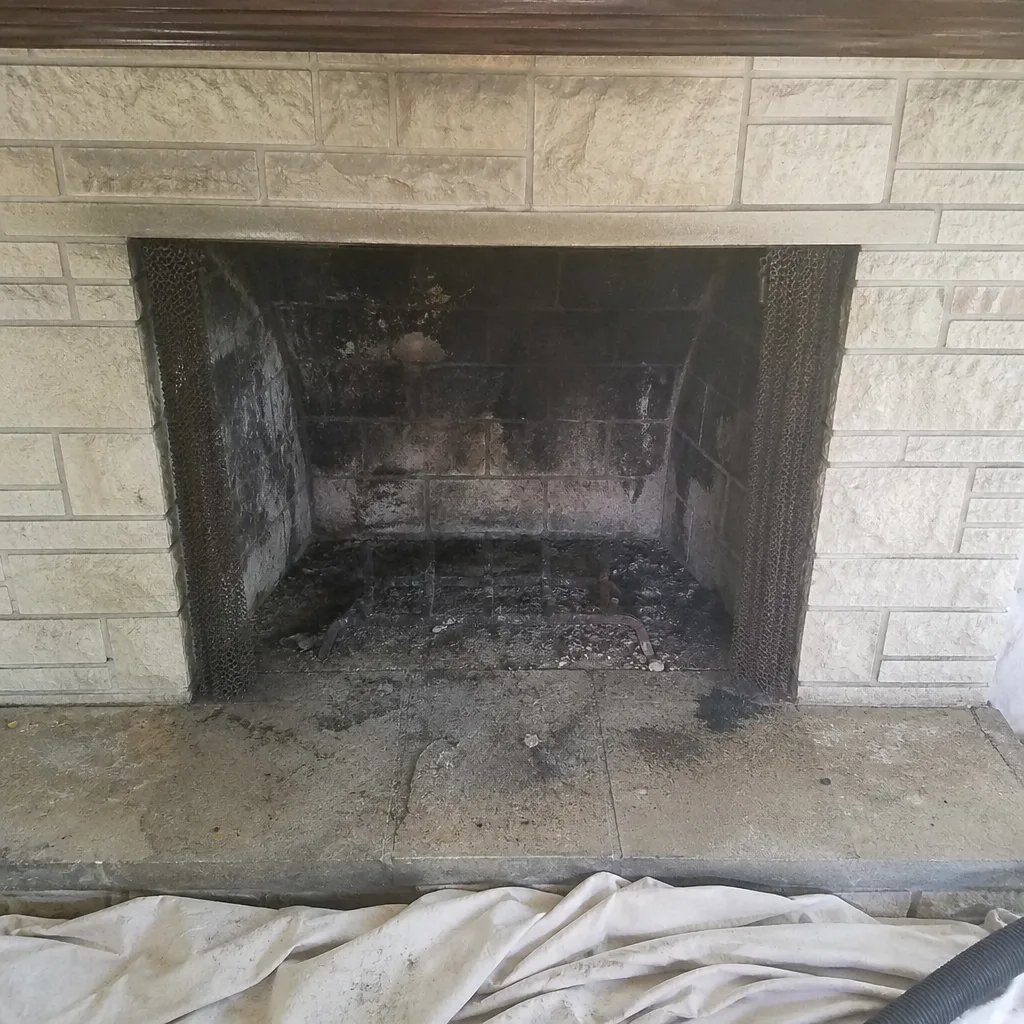
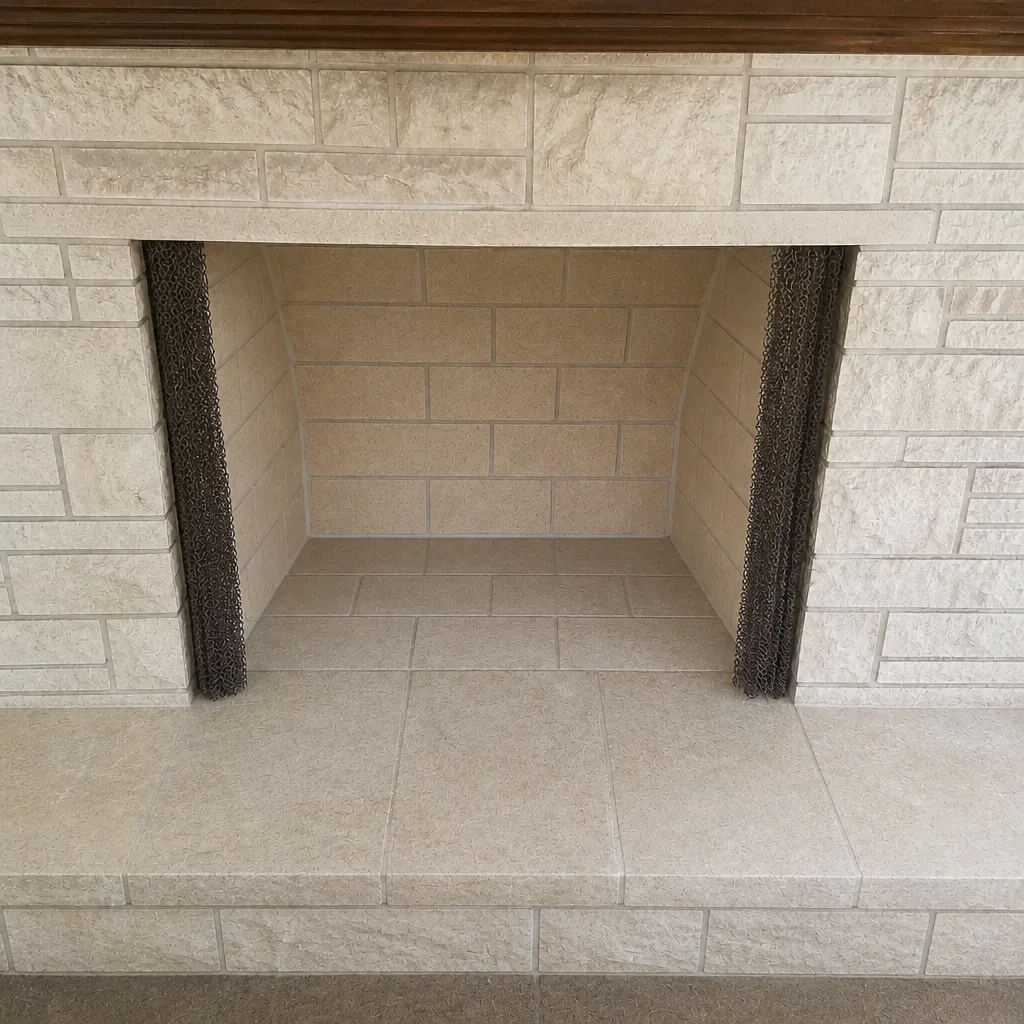
See the difference
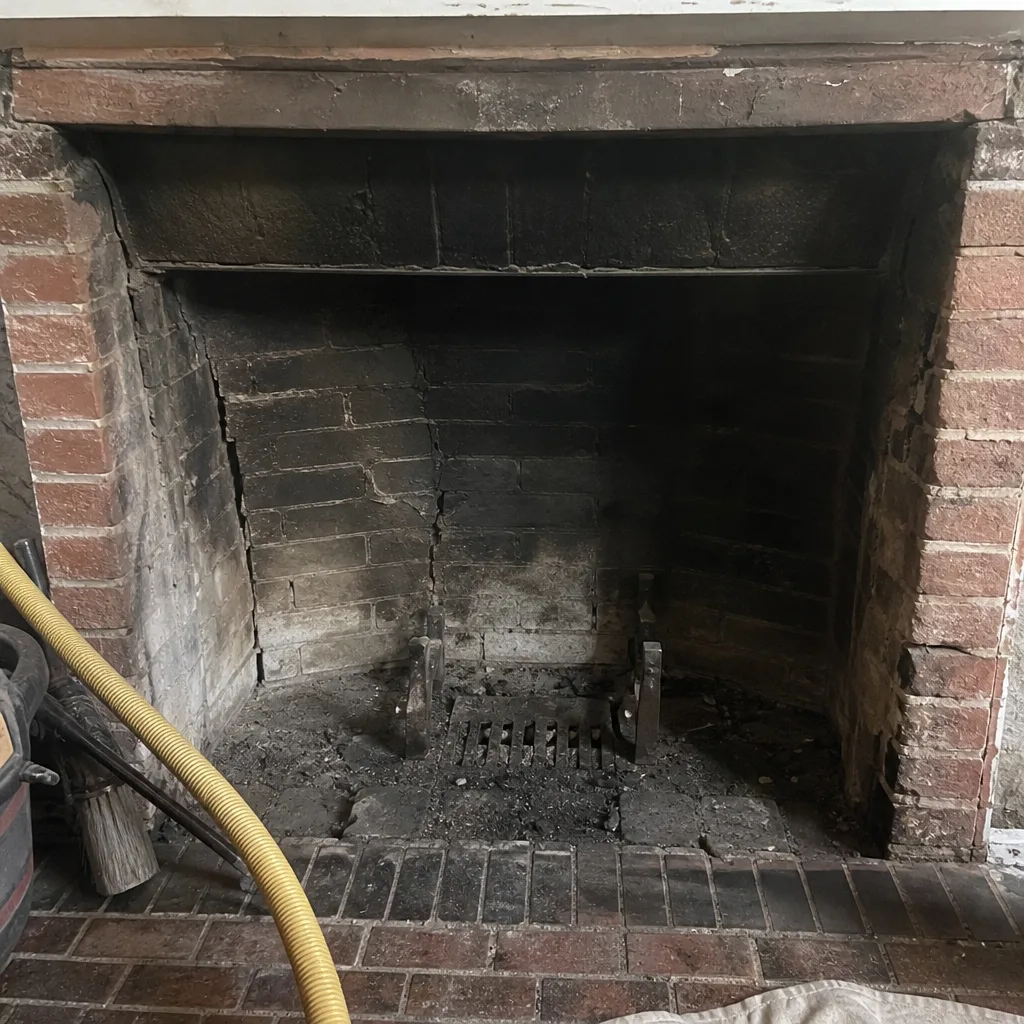 Before
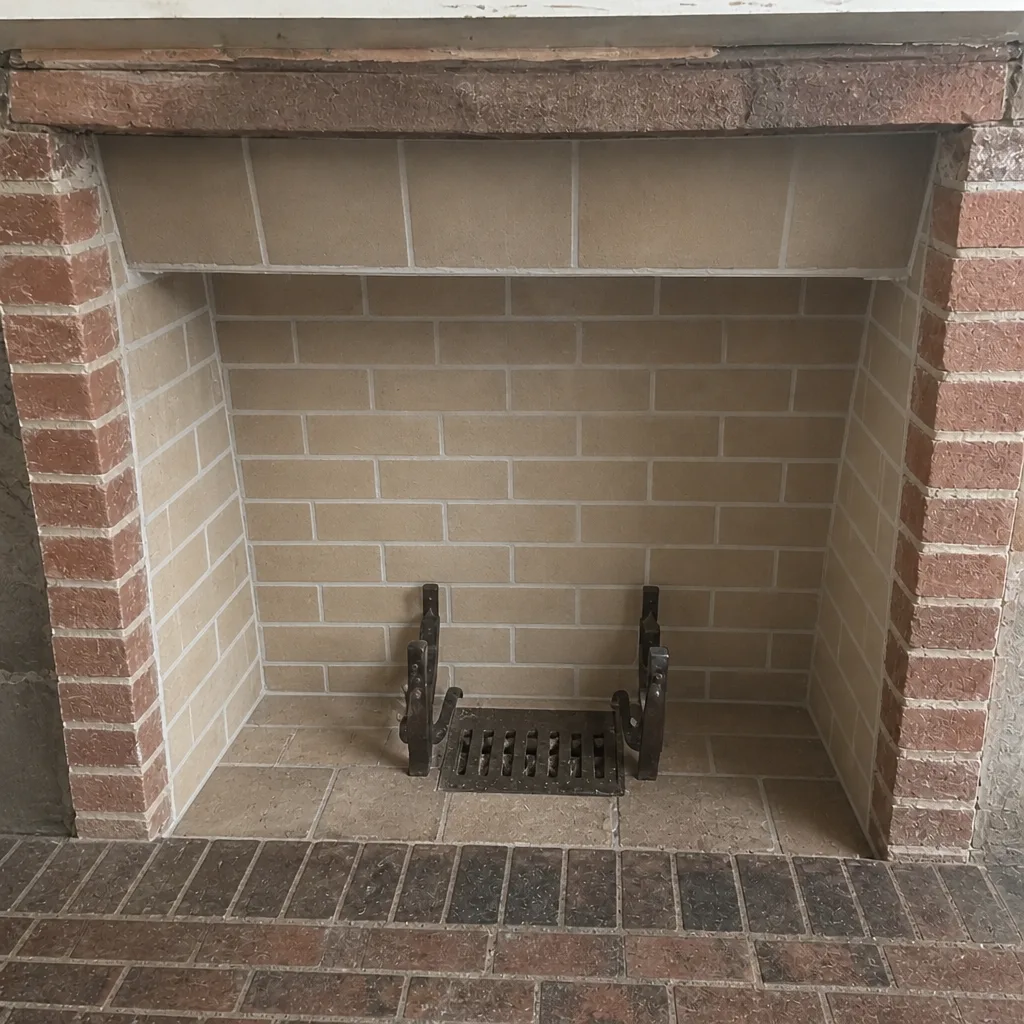 After
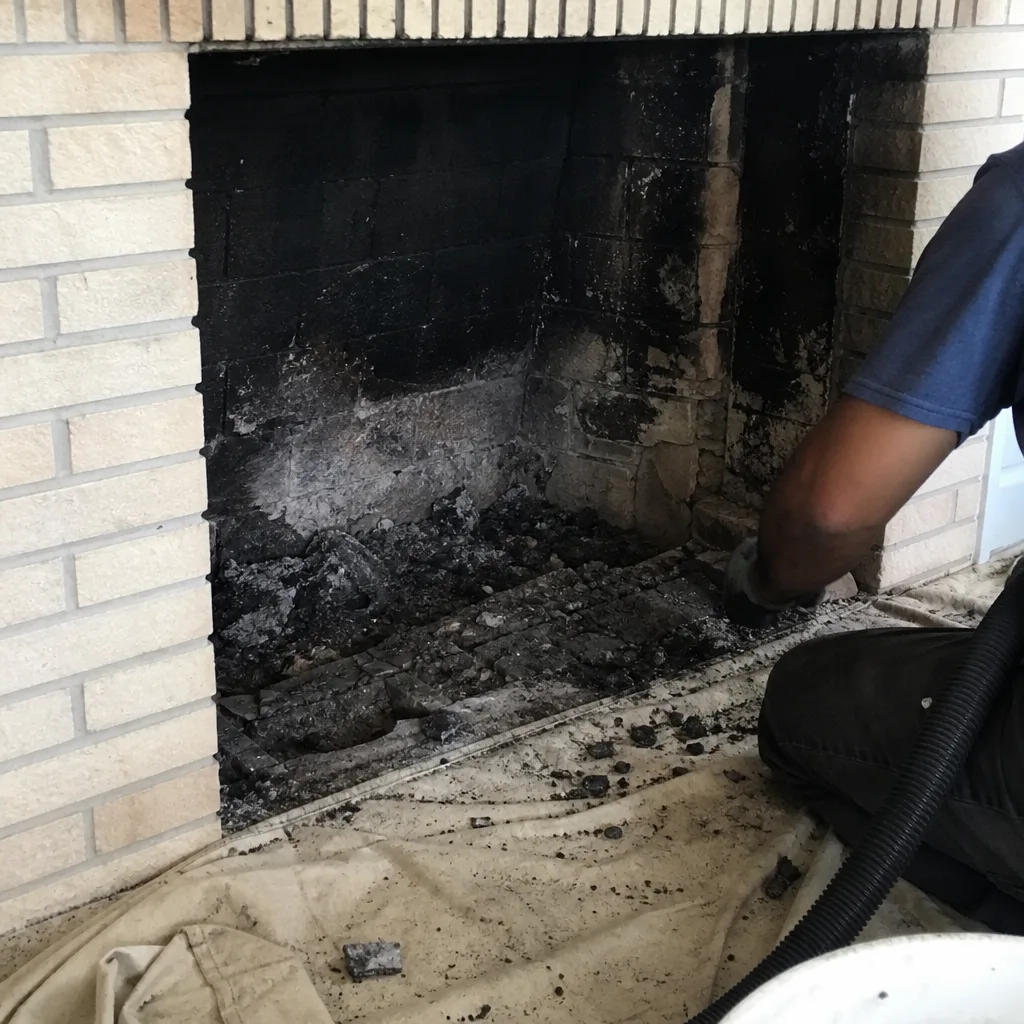 Before
 After
 Before
 After
When to Call a Professional
Call a professional when a check you can do yourself points to something structural. That means smoke that enters the room with every fire, a cap that’s missing or damaged, a crown with visible cracks, white staining on the chimney exterior, debris in the firebox after a sweep, or a firebox with crumbling brick, cracks, or failing mortar. It also means the smell of damp creosote that won’t go away, or a draft problem that a window test doesn’t solve.
Don’t rely on closing the damper or burning hotter fires to mask a symptom. Those workarounds treat the surface, and the underlying condition keeps getting worse. A camera inspection resolves the question, and nothing gets recommended that the photos don’t show.
Citadel Chimney Cleaning offers free estimates in St. Petersburg. We answer 24/7, and fast dispatch from 7am to 7pm is available Sunday through Friday. Call (833) 467-4164 to book an inspection or a sweep. Our technicians have up to 11 years of experience, and every job uses professional-grade chimney brands like HeatShield and DuraFlex rather than generic substitutes.
Frequently Asked Questions
Smoke during rain usually means a compromised cap or crown is letting water into the flue, which cools the flue and weakens draft. A missing cap, a loose cap, or a cracked crown are the most common causes. Check the top of the chimney with binoculars; if the cap is damaged or the crown has cracks, the chimney needs a repair rather than a sweep. Call (833) 467-4164 for a free estimate.
You need a sweep if the problem is creosote or debris buildup in an otherwise structurally sound flue. You need a repair if the inspection finds cracks in the liner, firebox, or crown, a failed cap, or a collapsed flue section. A camera inspection is the only reliable way to tell the difference, which is why we include one with every sweep. Call for an inspection and you’ll see the photos yourself.
A damp, sour smell on warm days is a sign that creosote is accumulating on the flue walls and absorbing moisture from the air. St. Petersburg’s humidity makes this more common than in drier climates, and the smell can appear even when the visible buildup looks thin. It’s a signal to book an inspection rather than wait for a visible problem.
Homeowner cleaning rods often compact glazed, third-degree creosote into the flue wall rather than removing it, which narrows the flue and can worsen draft. They also frequently miss the upper flue and the smoke chamber. If you’ve swept the chimney yourself and the problem persists, a professional camera inspection will show what was missed.
Yes, but the fuel matters more. Wood that’s been stored uncovered or on the ground absorbs moisture from the air, burns cooler, and deposits more sticky creosote. Keep firewood dry and covered, and have the flue inspected before the cooler season starts so any buildup gets addressed while there’s time. Call for a pre-season inspection and sweep if you’re unsure about the current state of the flue.
A sweep is the right call when the liner is intact and the issue is buildup alone. A liner resurfacing or relining job is needed when the inspection finds cracks, gaps, or deteriorated inner surfaces that a sweep can’t address. HeatShield resurfacing handles liners that are cracked but structurally sound; DuraFlex stainless liners replace liners that are beyond resurfacing. A camera inspection tells you which applies to your chimney, and the written estimate sets the price before any work begins.
If you’re in doubt about which category your chimney falls into, call (833) 467-4164 for a free estimate.
The Bottom Line
Most chimney problems that look like “old age” are diagnosable conditions with specific causes. Draft issues come from pressure imbalance, flue height, or flue size. Blockage issues come from debris, nesting, or a collapsed liner section. Creosote problems in St. Petersburg’s humidity tend to form as a glossy, damp, sour-smelling deposit rather than a flaky crust, and DIY rods often miss or compact it. Cap and crown failures explain most smoke that only appears during rain. Firebox cracks, crumbling mortar, and rusted dampers mean you’ve crossed from a sweeping job into a repair job. The check that separates all of these is a camera inspection, and that’s what tells you whether to book a sweep or a repair. Nothing gets recommended beyond what the photos show, and work that can safely wait gets said so plainly. Citadel Chimney Cleaning handles inspection, sweep, and repair as one specialist, so a problem found during a sweep doesn’t turn into a referral. Call (833) 467-4164 for a free estimate in St. Petersburg. We answer 24/7. Fast dispatch from 7am to 7pm, Sunday through Friday.
Written by the team at Citadel Chimney Cleaning.