
Last updated November 15, 2026
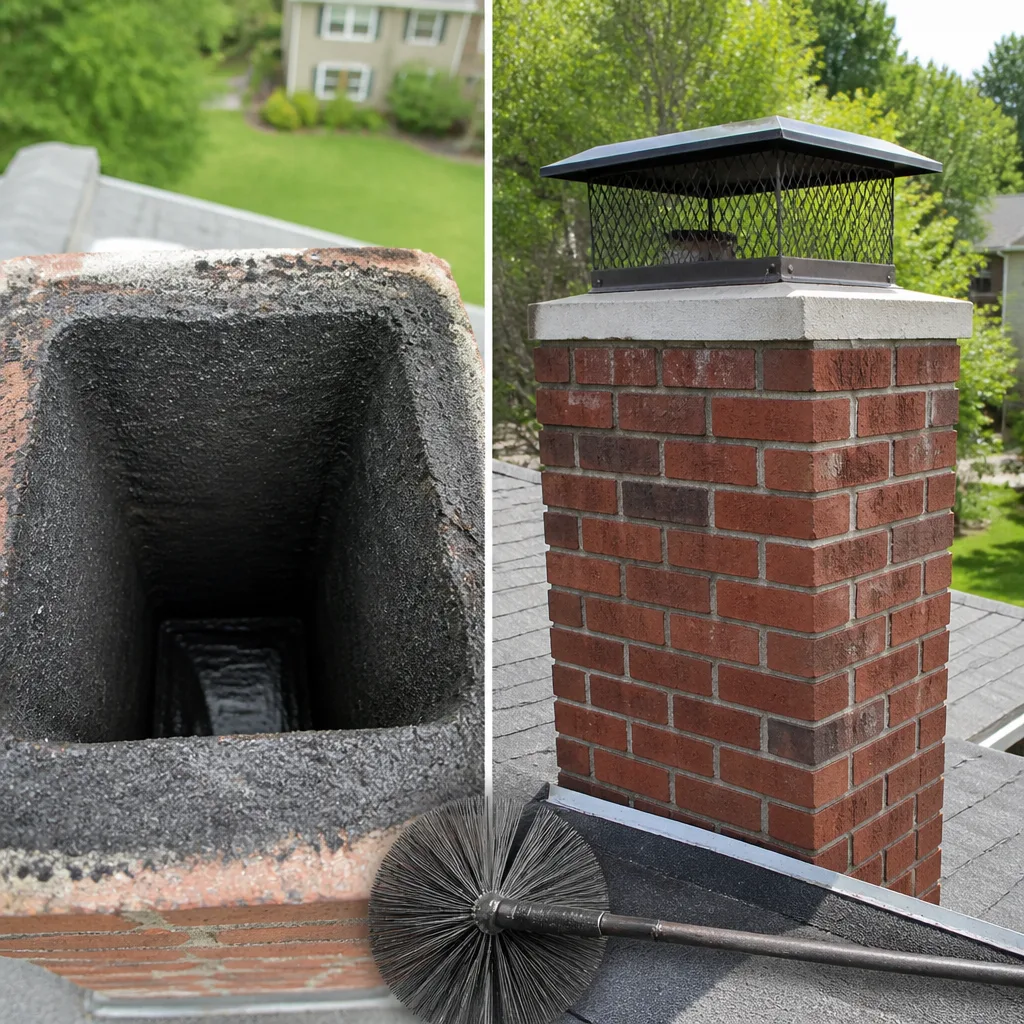 Sweep & inspection
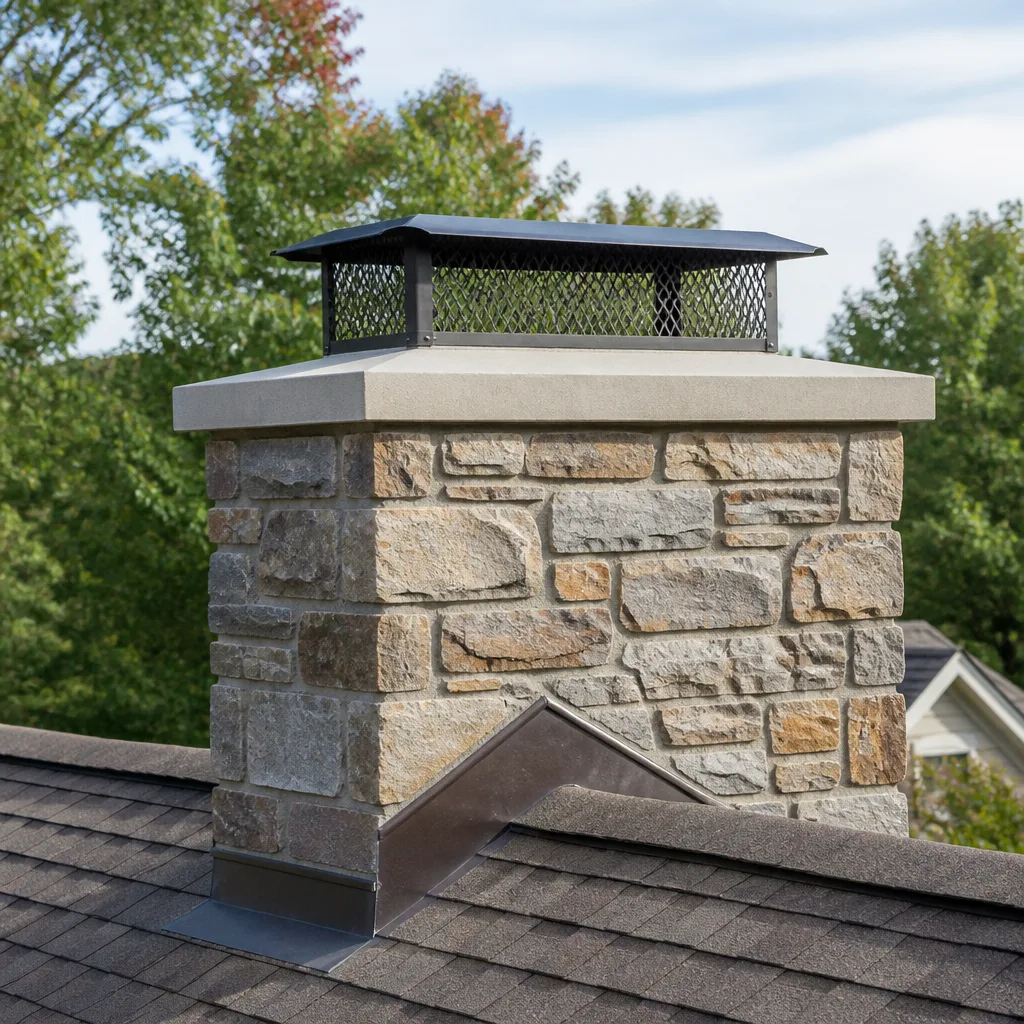 Caps & crowns
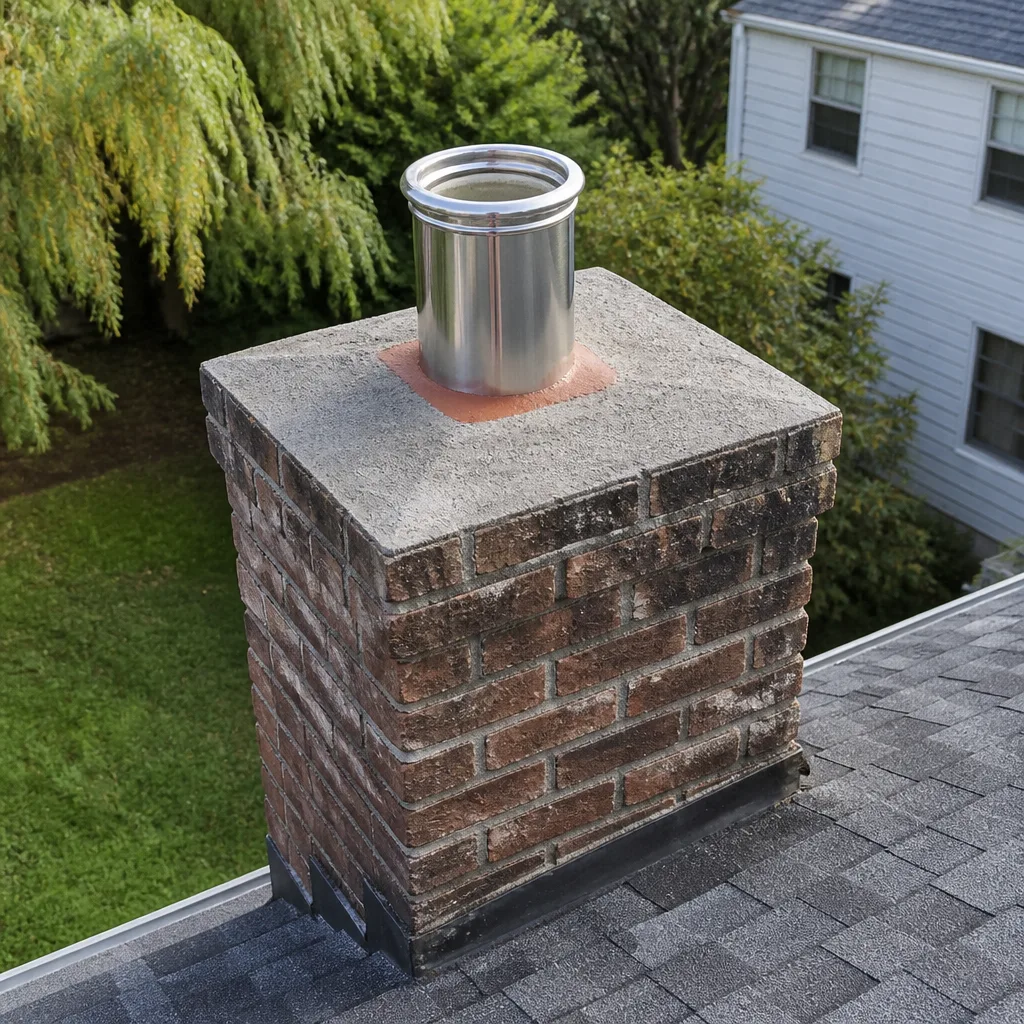 Flue relining
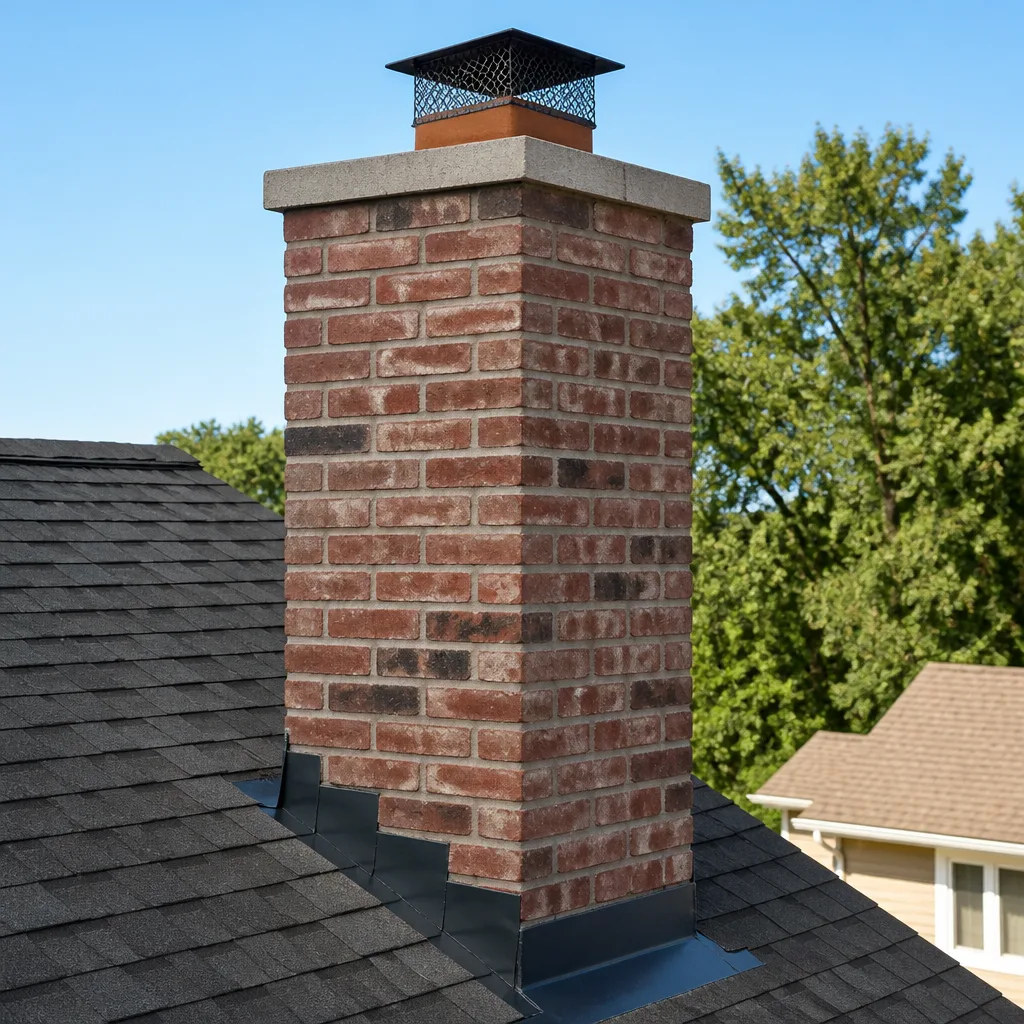 Masonry repair
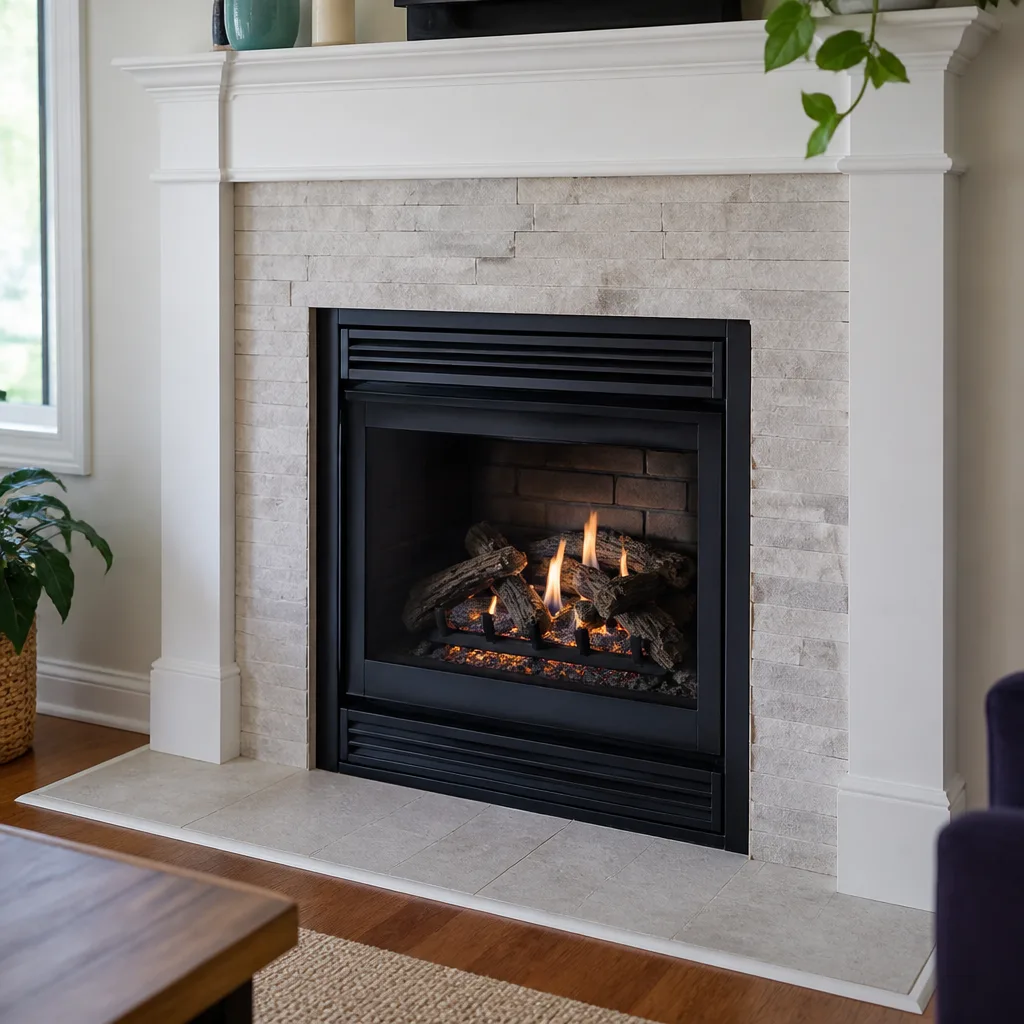 Gas fireplace service
Level 1 sweep and inspection to the NFPA 211 annual standard - flue, crown, cap, and flashing checked and photographed
Chimney sweep logs do not sweep chimneys. They loosen some creosote - which then falls where a brush and vacuum still have to collect it.
Chimney Sweep Maintenance Schedule: What to Do and When
Most Florida homeowners hear “get it swept once a year” and set an October reminder. That feels tidy: sweep, then light the first fire. But in St. Petersburg, the calendar works against that logic. Summer humidity sits in an unused flue for months, and by the time fall arrives, any moisture problem, cracked crown, or rusted damper has had a full season to develop. Sweeping before the burn season tells you what’s wrong, but it tells you late. This guide lays out a decision-based maintenance schedule built around fuel type, how often you burn, chimney age, and the local climate, so you know what to check and when. We’ll cover inspections, exterior tasks, storm-season follow-ups, and how to log all of it.
Quick Answer
A well-used wood-burning chimney needs an annual sweep and inspection, but in St. Petersburg the smarter timing is a late-summer or early-fall sweep before the burn season and an exterior check after storm season. Gas log fireplaces still need an annual inspection even though they produce less creosote, and every chimney should get a Level 2 inspection at a few key trigger points. Build your schedule around fuel type and usage, not a single fixed date.
Styles & brands we work with
- Sweep & inspection
- Caps & crowns
- Flue relining
- Masonry repair
- Gas fireplace service
Table of Contents
- Why “Once a Year” Is the Floor, Not the Whole Plan
- How St. Petersburg’s Climate Shapes Your Schedule
- A Month-by-Month Chimney Task Breakdown
- Fuel Type Changes Your Inspection and Sweep Intervals
- Level 2 Inspections: The Triggers Beyond Annual Use
- Exterior Maintenance That Belongs on the Same Calendar
- How to Log Maintenance and Protect Resale Value
Why “Once a Year” Is the Floor, Not the Whole Plan
The once-a-year rule is a starting point, not a finished schedule. It answers one question – is there enough buildup to sweep? – but it doesn’t tell you how often you actually burn, whether your chimney is lined correctly, or what happened during storm season. A household that runs a fireplace a few evenings a month has a very different maintenance picture from one burning wood several times a week through the cooler months.
The correct cadence depends on four things, and each one shifts the schedule slightly:
- Fuel type. Wood produces creosote and soot; gas produces little visible residue but still creates moisture and corrosion risk.
- Usage frequency. Light, occasional burning versus regular burning changes buildup speed and inspection timing.
- Chimney age and condition. An older masonry flue or an unlined chimney needs closer attention than a newer properly lined system.
- Local climate. In St. Petersburg, humidity and storm season introduce problems a northern schedule wouldn’t flag.
A chimney is a structural safety system that protects the home, and that’s how we treat every inspection. When the sweep is done, the inspection report should tell you not just how much creosote came out but the condition of the flue, cap, crown, flashing, and damper. That’s the difference between a routine sweeping and a genuine home-safety review. From inspection to repair, one specialist handles every stage of that review. If your chimney has never had an inspection, a chimney inspection is the place to start.
How St. Petersburg’s Climate Shapes Your Schedule
St. Petersburg winters are mild, so chimneys here aren’t fighting months of hard freeze and thaw the way they might further north. But mild doesn’t mean easy. The local pattern that matters most is humidity, warm-season storms, and the long stretch when a flue sits idle. That combination drives a maintenance calendar all its own.
Here’s what the local climate asks of your chimney:
- Idle-season humidity. From late spring through summer, most flues go unused while warm, moist air sits inside. That moisture works on the interior masonry and metal components for months.
- Storm season. Heavy rain and wind are the local test for caps, crowns, and flashing. Water intrusion during storm season is one of the most common problems we see when chimneys are finally inspected in the fall.
- Short burn season. Because the burn season is brief, precision beats frequency – a chimney that’s swept and inspected at the right moment gets more from a single service.
- No snow load to design around. Without a snowpack, the exterior risk here is rain and wind, not accumulated weight, so the priorities shift toward sealing and shedding water.
That’s why a summer inspection tells you things a fall sweep can’t. By late summer, a spot of water in the flue or a rusted damper has shown its damage. Sweeping in early fall, then checking the exterior after storm season passes, catches both the creosote and the weather. Homeowners across the St. Petersburg area benefit from this rhythm because the same warm, humid climate touches every neighborhood here.
A Month-by-Month Chimney Task Breakdown
You don’t need to think about your chimney every month, but spreading a handful of simple checks across the year prevents the scramble that comes when fall arrives. Here’s how the tasks line up in St. Petersburg. Dates are approximate, and the core idea is timing relative to the burn season and storm season, not a rigid calendar.
- Late winter / end of burn season. Book a chimney sweep before you stop using the fireplace. Sweeping now clears the creosote while it’s fresh in mind, and any interior issues get flagged before the flue sits idle all summer.
- Early spring. Do a visual exterior check. Look at the cap, the crown, and the flashing around the roofline. Note anything loose, cracked, or missing.
- Mid to late spring, before storm season. Confirm the cap is intact and the crown is sealed. A functioning cap keeps rain and animals out all summer.
- During storm season. Avoid burning when the chimney is wet. After any severe weather, look for water stains, a shifted cap, or debris in the firebox.
- After storm season, late summer. Book a chimney inspection. This is the point in the year when a summer inspection reveals what the wet season did.
- Early fall, before the first fire. Schedule a sweep if the inspection didn’t clear you. Confirm the damper works and the firebox is clean. Know exactly what’s inside your flue before you light the first fire of the season.
- When you light the first fire. Do a small test burn and check that smoke drafts up and out rather than backing into the room.
This schedule works whether you’re in a home near the waterfront, a historic neighborhood, or a newer subdivision. The point is to match your service to the two seasonal forces here: the idle humid summer and storm season. For a chimney sweep in the St. Petersburg area, timing it to the end of the burn season or the start of the next one keeps the schedule honest.
Fuel Type Changes Your Inspection and Sweep Intervals
Not every chimney produces the same wear, so not every chimney needs the same interval. The biggest mistake we see is gas fireplace owners who assume they can skip service entirely because there’s no wood smoke. As fuel changes, so does the schedule.
Wood-burning fireplaces and stoves
Wood produces creosote and soot, and that buildup is the reason for regular sweeping. A household that burns wood regularly should expect an annual sweep and inspection, and heavier use can justify more. This is where the classic once-a-year rule applies most directly.
Gas log fireplaces
Gas produces very little creosote, but it produces water vapor and heat, which can corrode metal flue components and damage brick over time. A gas fireplace still belongs on your schedule for an annual inspection. Skipping service because “there’s no mess” is how a small corrosion problem becomes a repair.
Pellet stoves
Pellet stoves burn more efficiently and produce less visible smoke than wood, but they still create ash and residue that needs clearing, and the venting gets its own attention. The interval sits somewhere between wood and gas – more frequent checks than gas, less creosote to worry about than a wood fireplace.
What this means for your calendar
- Wood: annual sweep and inspection, more often with regular heavy use.
- Gas: annual inspection, sweep as needed by condition.
- Pellet: annual inspection and cleaning of the venting.
Fuel type is the first input into any maintenance schedule. Usage and chimney condition refine it from there. For the repair side of the equation, our chimney repair work draws on professional-grade materials chosen for each system, which is separate from the sweep itself.
Level 2 Inspections: The Triggers Beyond Annual Use
A basic annual inspection is a visual check inside and out. A Level 2 inspection goes further: it’s a more thorough examination that looks at accessible parts of the flue from multiple points and includes the kind of detail needed after a major change or event. Even a well-maintained chimney should get a Level 2 inspection at certain trigger points, not only when something seems wrong.
NFPA 211, the national standard for chimneys and vents, ties inspection depth to circumstances. Beyond routine annual use, the triggers for a more detailed inspection include:
- A change of fuel type. Switching from wood to gas or adding a wood stove where none existed before.
- A change in the appliance or system. Installing a new insert or replacing the appliance connected to the flue.
- A major event. A chimney fire, a severe storm, or damage to the home that could affect the chimney.
- A property changing hands. Buying or selling a home is a natural time to know exactly what’s inside the flue.
- A suspected problem. Smoke backdraft, water intrusion, or a draft issue that a visual check can’t explain.
If you’re buying a home in St. Petersburg, a pre-purchase inspection from a chimney specialist is worth insisting on. A general home inspector may note “chimney present,” but a chimney-specific inspection tells you the condition of the flue and whether it’s lined. In our experience, that’s the detail that matters when a property changes hands. A Level 2 inspection is also a good moment to think about liner work, since a professional-grade liner is the standard fix for an unlined or deteriorating flue.
Exterior Maintenance That Belongs on the Same Calendar
Chimney care isn’t only interior. The parts that sit above the roofline – the cap, the crown, and the flashing – take the local weather and quietly fail if nobody checks them. These tasks belong on the same annual schedule as the interior sweep and inspection.
Cap condition
A chimney cap keeps rain, birds, and debris out of the flue. Check it after storm season and look for a cap that’s loose, rusted, cracked, or missing entirely. A missing cap is a direct path for water into the system all summer.
Crown sealing
The crown is the concrete or masonry top of the chimney that sheds water away from the structure. A cracked crown lets water into the body of the chimney, which is far more expensive to fix than to seal. This is one of the most common exterior problems we find on older St. Petersburg chimneys.
Flashing checks
Flashing is the material that seals the gap where the chimney meets the roof. After heavy rain and wind, look for gaps, loose sections, or stains on the interior ceiling near the chimney. Flashing failures let water into the home, not just the chimney.
What a specialist looks at
Exterior inspection isn’t something we’d recommend handling from a ladder, given the fall risk. A trained professional checks the roof from a safe position, photographs what they find, and explains it. When we assess a chimney, we’re checking the entire system, and if a repair is needed, our capability extends to structural fix work with professional-grade components. The repair-ready expertise sits with a specialist who can resurface, seal, or reline, and the materials matter: industry brands are the standard because repair longevity depends on the grade of the material used.
How to Log Maintenance and Protect Resale Value
A chimney maintenance schedule is only as good as the record it produces. Keeping a simple log of every sweep, inspection, and repair is one of the easiest things a homeowner can do, and it pays off twice: at resale and when an insurance question arises.
Here’s what to record in your log:
- Date and service performed. Sweep, inspection, repair, or a Level 2 inspection.
- Findings. What the inspection saw inside the flue, at the cap and crown, and on the flashing.
- Photos. Before and after photos of the flue and exterior, plus any repair documentation.
- Materials used. If anything was repaired or replaced, note the product and brand.
- Outcome. Cleared for use, flagged for follow-up, or repaired.
A documented, current maintenance record tells a buyer the chimney has been cared for and answers the questions a real estate transaction will raise. It also helps an insurer understand the condition of a chimney system. We recommend keeping the log with your home records, in whatever format is easiest to stay consistent with. The Citadel Chimney Cleaning team can walk you through what to keep, and a well-documented chimney is a real asset in a St. Petersburg home sale. For broader context on local service, our St. Petersburg page lays out how we serve the area.
Common Mistakes to Avoid
- Waiting until October to sweep. Sweeping only before the first fire leaves a summer’s worth of moisture damage undiagnosed. Sweep at the end of the burn season, then inspect in late summer, so nothing sits unseen.
- Skipping gas fireplace inspections. No wood smoke doesn’t mean no service. Gas produces moisture and heat that quietly damage flue components, so an annual inspection still belongs on the calendar.
- Ignoring the exterior between storms. A cracked crown or a loose cap gets worse through storm season. A quick exterior check in spring and fall prevents the water intrusion that’s common in the humid months.
- Treating the annual sweep as the whole plan. A sweep clears creosote; it doesn’t tell you the condition of an unlined flue or a failing flashing. The inspection is what protects the home, and it should go well beyond the sweep.
- Never triggering a Level 2 inspection. Relying only on annual visual checks skips a deeper look when you change fuel type, install a new appliance, or buy a home. Those are the moments a detailed inspection covers what a visual check can’t.
- Keeping no record. A chimney with no maintenance history is a question mark at resale. A simple log with dates, findings, and photos answers that question and supports an insurance conversation.
- Assuming “no smoke” means “no problem.” A fireplace that drafts poorly or a damper that sticks is a real issue, not a quirk. Those are exactly the symptoms worth having looked at rather than ignored.
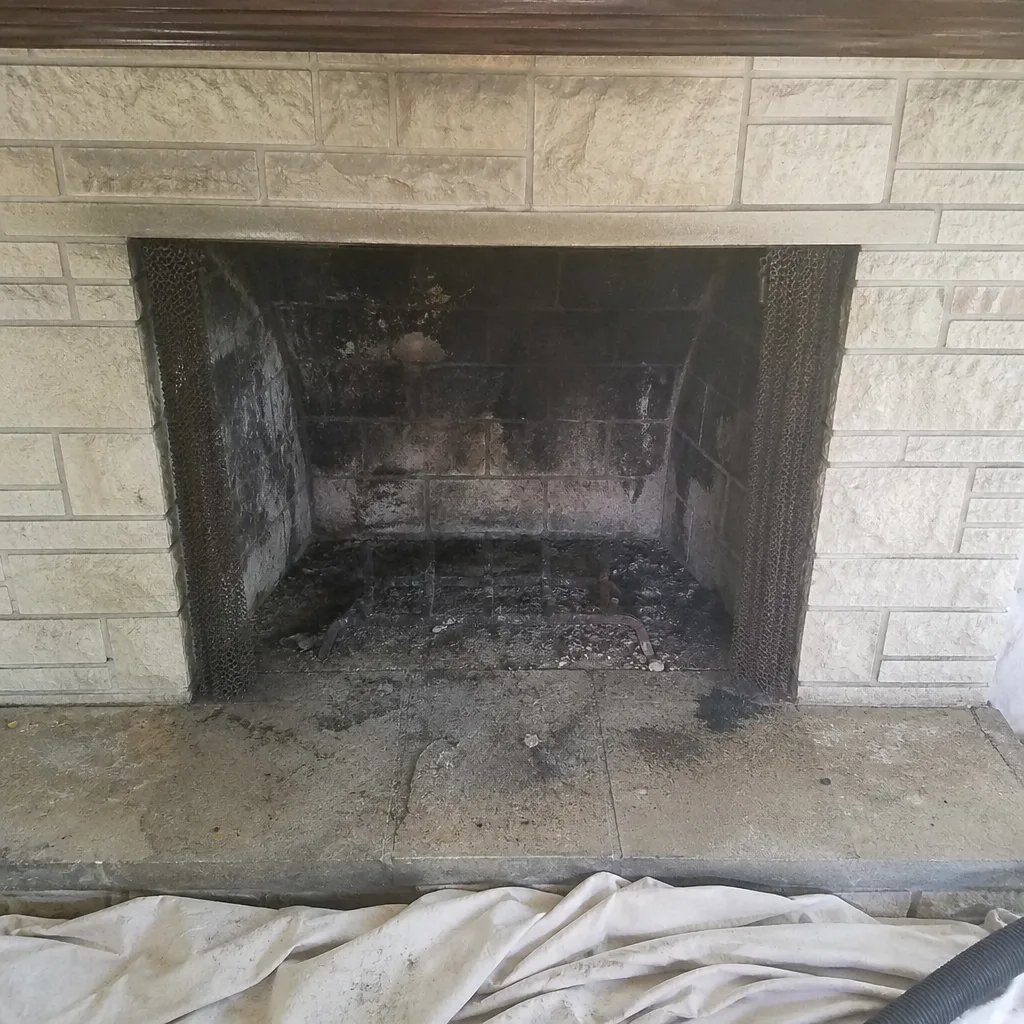
See the difference
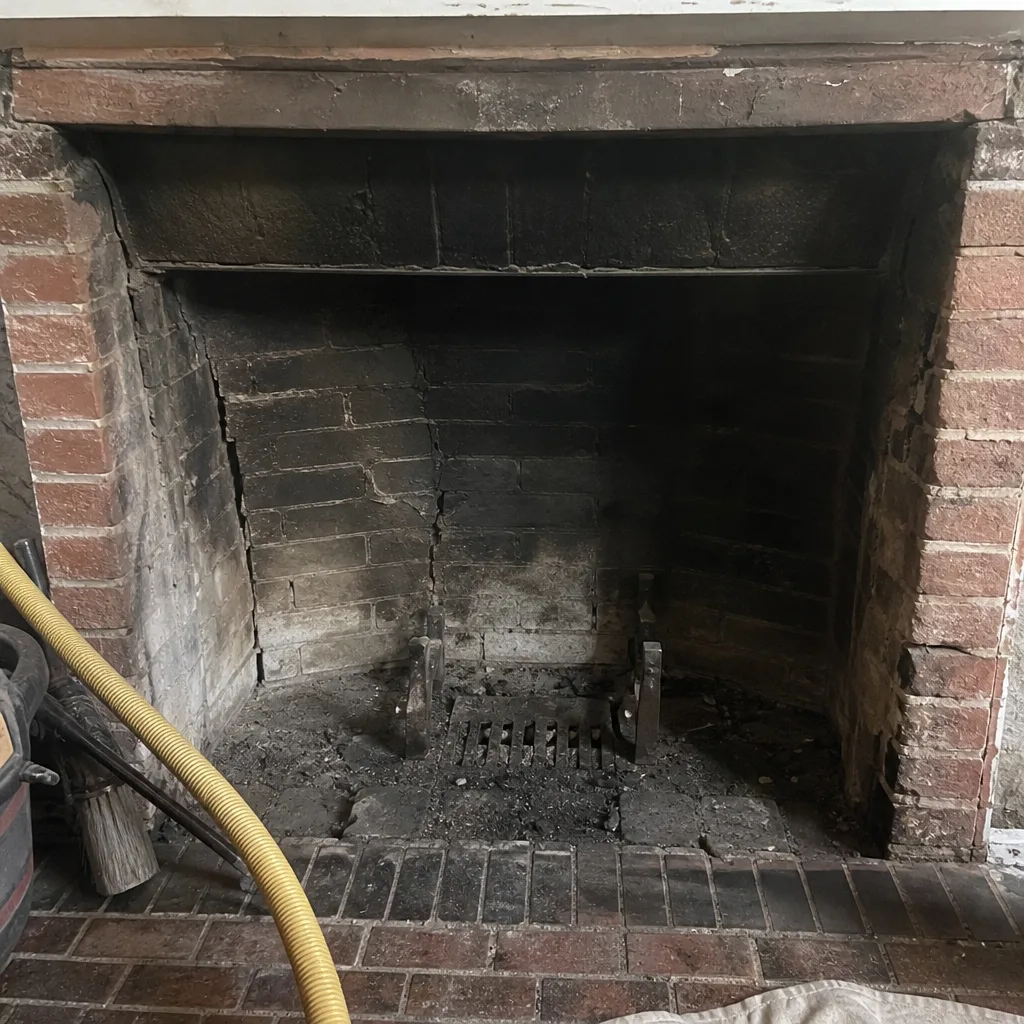 Before
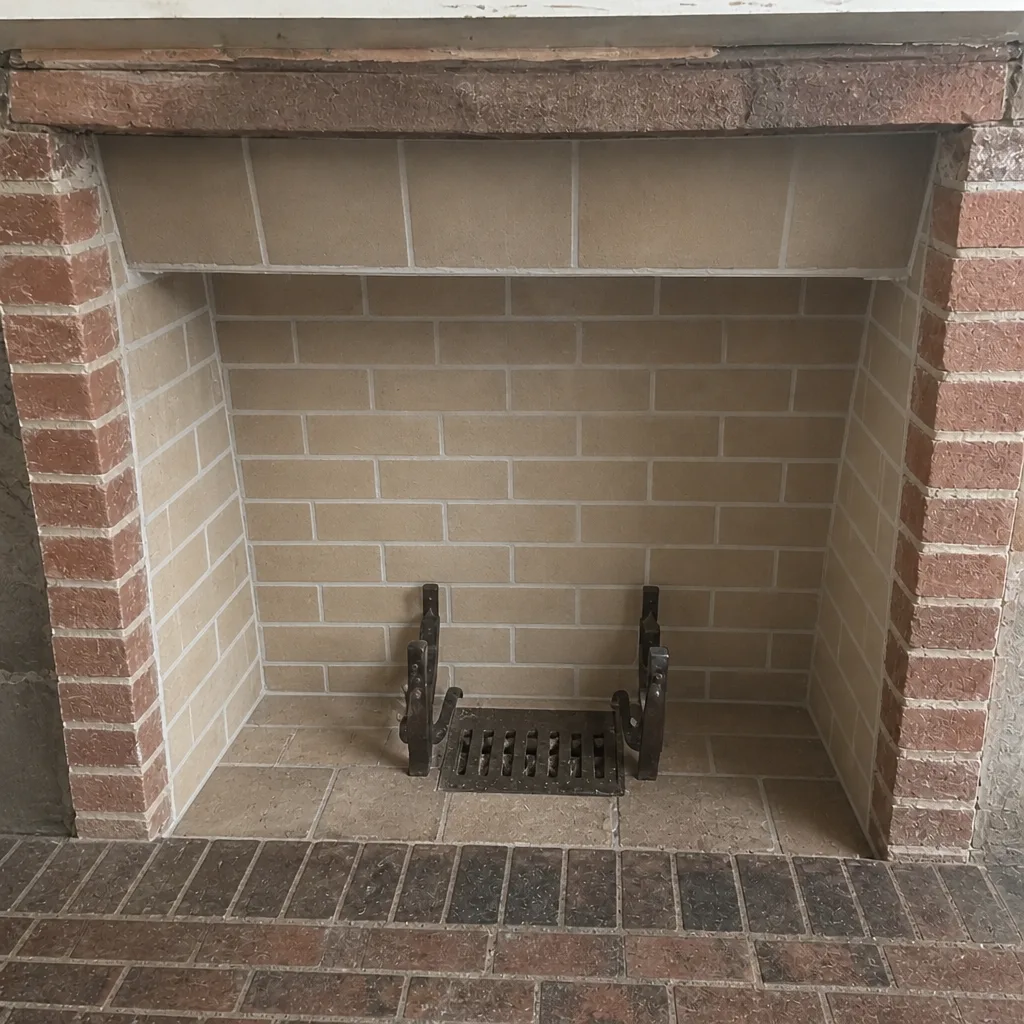 After
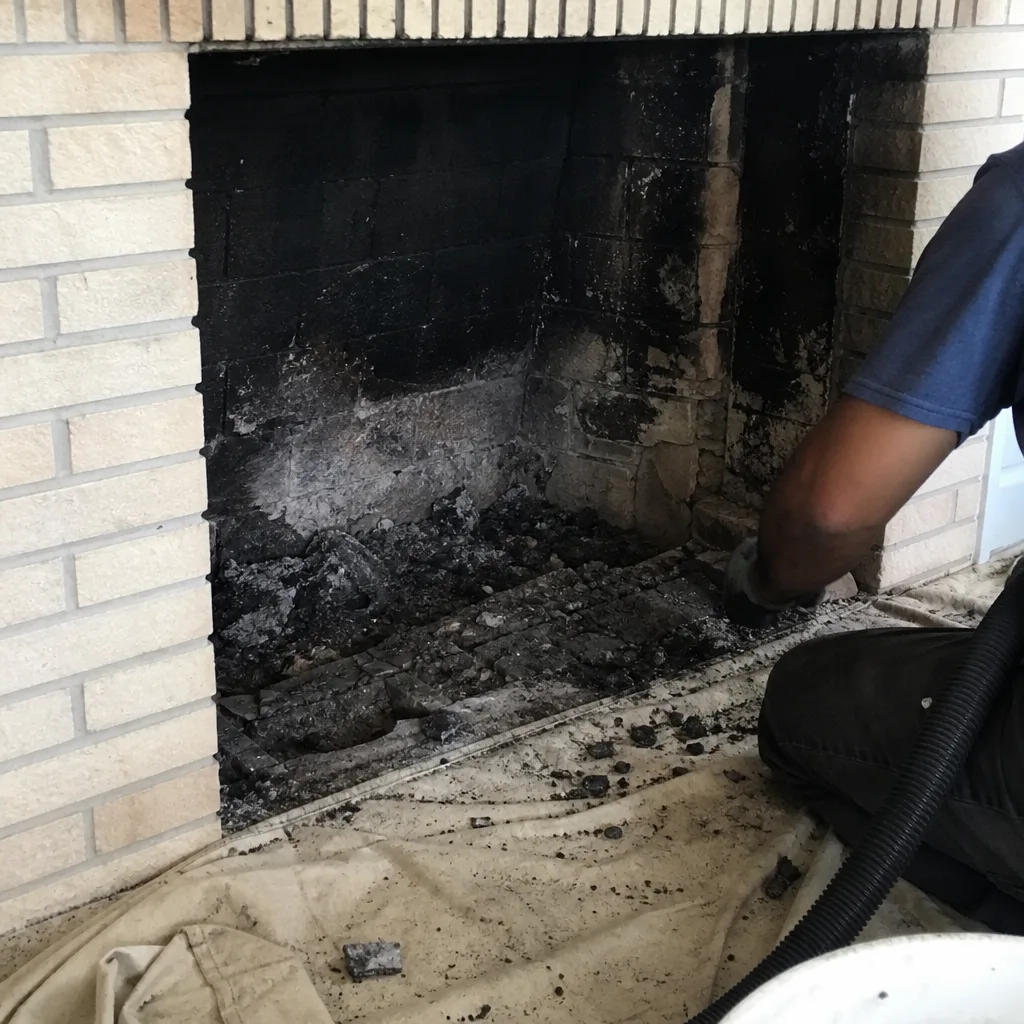 Before
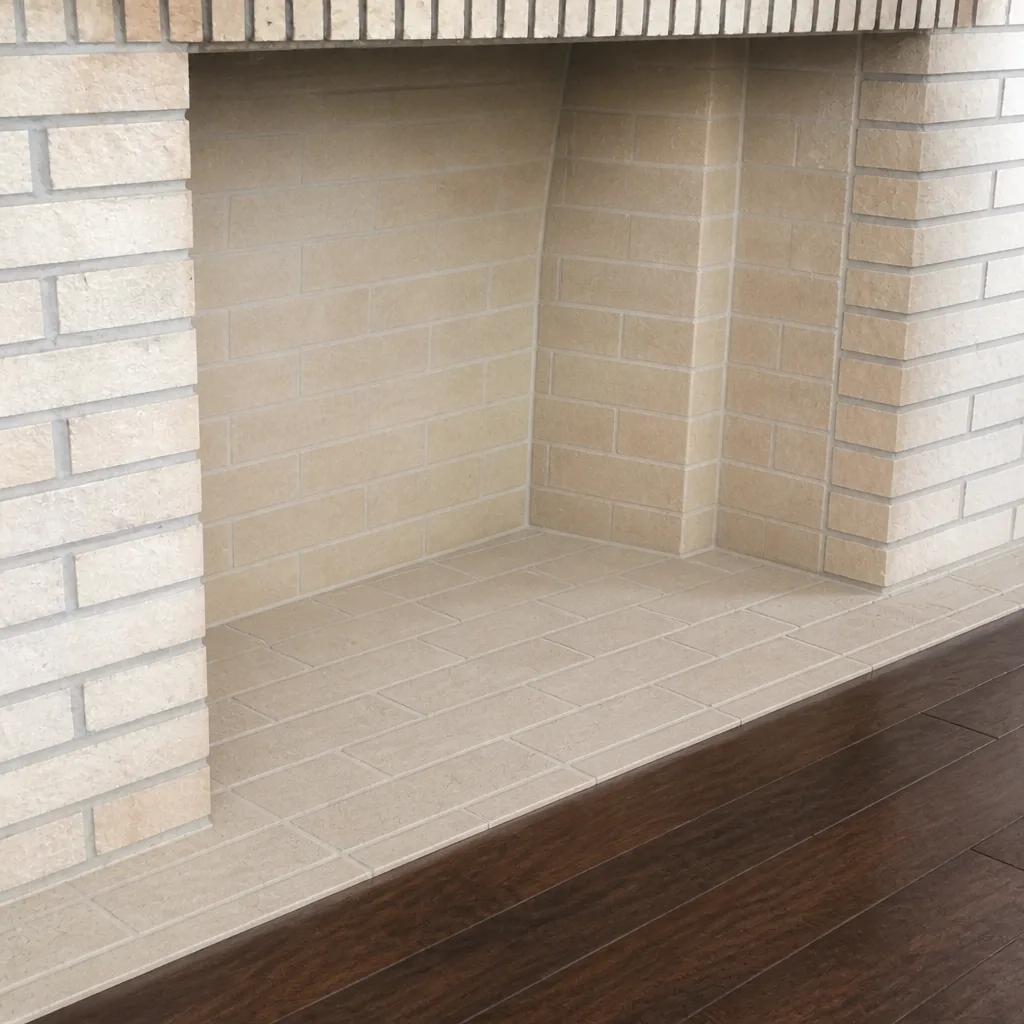 After
 Before
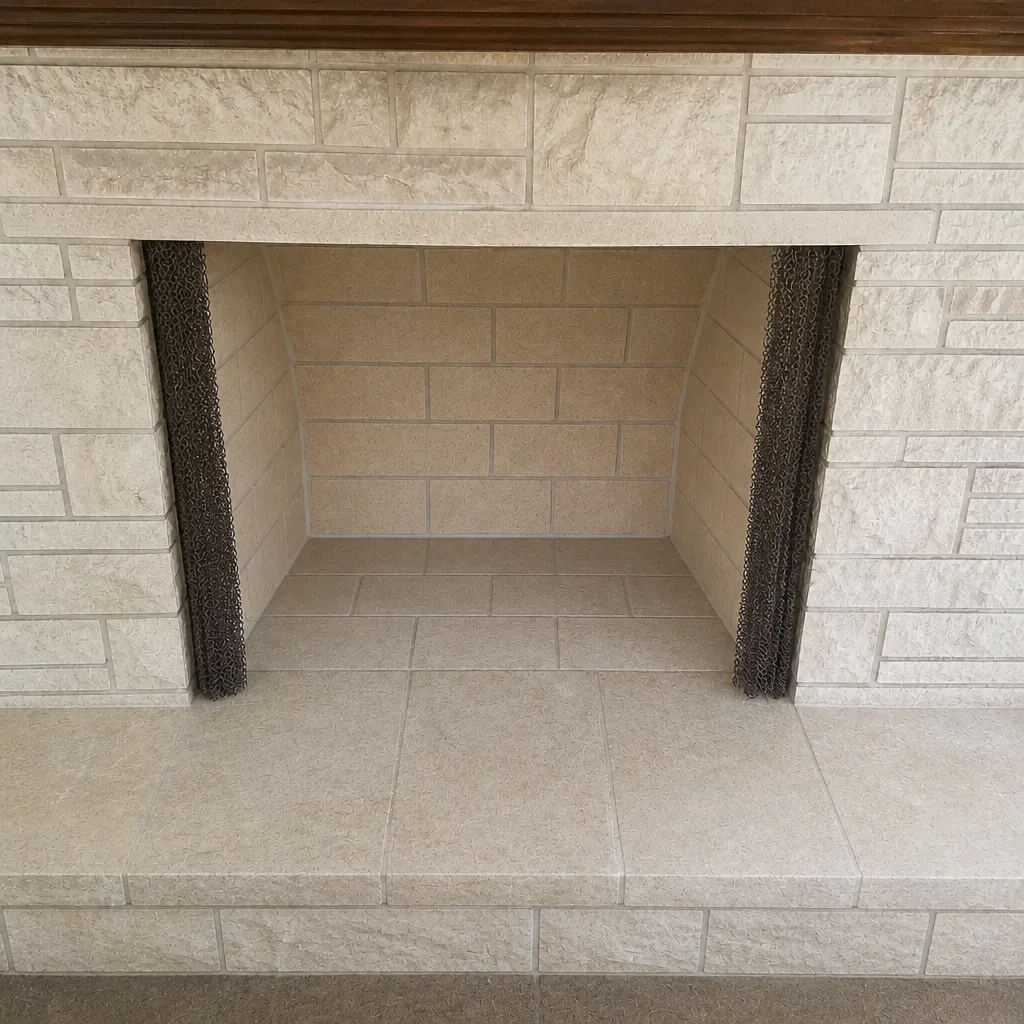 After
When to Call a Professional
Some tasks are a homeowner’s routine check, but the interior work – sweeping, inspecting the flue, repairing liners, and handling anything above the roofline – belongs with a trained chimney professional. High temperatures, creosote, and the fall risk from roof work are not a do-it-yourself project. Call a professional if you’ve never had your chimney inspected, if you’re buying or selling a home, if you’ve changed fuel type or installed a new appliance, if you see smoke backing up, if there’s water staining near the chimney, or if it’s simply been a while and you’ve lost count. Citadel Chimney Cleaning offers free estimates in St. Petersburg – call (833) 467-4164. We answer 24/7. Fast dispatch from 7am to 7pm, Sunday through Friday. From inspection to repair, one specialist handles it all, so you’re not coordinating multiple contractors for the same chimney.
Frequently Asked Questions
A chimney should be swept at least once a year if you burn wood regularly, and more often with heavy use. A qualified sweep also inspects while they’re there, so the annual service covers both cleaning and condition. A gas fireplace still needs an annual inspection even though it produces little creosote. Call us to book a sweep at the right time for your setup.
Sweeping after the burn season clears creosote while any issue is fresh, and a late-summer inspection then reveals what the humid, idle months did to the flue. If you wait until October, moisture problems have had all summer to develop before anyone looks. That’s the timing error we see most often in St. Petersburg. Get an inspection booked and learn the condition of your chimney first.
Yes. A gas fireplace produces little visible residue but still creates moisture and heat that corrode metal flue components and damage brick over time. Skipping service because “there’s no mess” is how a small corrosion problem becomes a repair. An annual inspection keeps a gas chimney on the same schedule as any other. Call us to set one up.
A Level 2 inspection is a more thorough examination than a basic visual check, and NFPA 211 ties it to circumstances like a change of fuel type, a new appliance, a chimney fire, storm damage, or a home changing hands. It’s the deeper look you want at those moments, even on a well-maintained chimney. If you’re buying a home in St. Petersburg, ask for one from a chimney specialist, not a generalist. Call for a free estimate on an inspection.
No. Exterior work on a chimney involves roof access and a fall risk, plus the repair-grade materials needed to fix a crown or flashing correctly. A trained professional checks from a safe position, photographs what they find, and explains it before any work is done. Ladder work above the roofline isn’t worth the risk. Call us and we’ll assess it safely.
Keep a simple log: the date, the service performed, the findings, photos, and any materials used. A current, documented record tells a buyer the chimney has been cared for and answers the questions a sale will raise. It also supports an insurance conversation about the condition of the system. For help knowing what to record, call (833) 467-4164.
The Bottom Line
A once-a-year sweep is the minimum, not the whole plan. In St. Petersburg, the smarter schedule sweeps at the end of the burn season, inspects in late summer after the humid, idle months, and checks the exterior after storm season. Fuel type sets your interval: wood needs an annual sweep and inspection, gas needs an annual inspection even with no visible mess, and pellet sits in between. Add a Level 2 inspection at the trigger points – a change of fuel or appliance, a storm, a home sale – and keep a simple record of all of it. That record protects resale value and tells you exactly what’s inside your flue before the first fire of the season. A chimney is a structural safety system, and a specialist who handles inspection, sweep, and repair treats it that way. Call (833) 467-4164. We answer 24/7. Fast dispatch from 7am to 7pm, Sunday through Friday. Estimates are free.
Written by the team at Citadel Chimney Cleaning.