
Last updated November 15, 2026
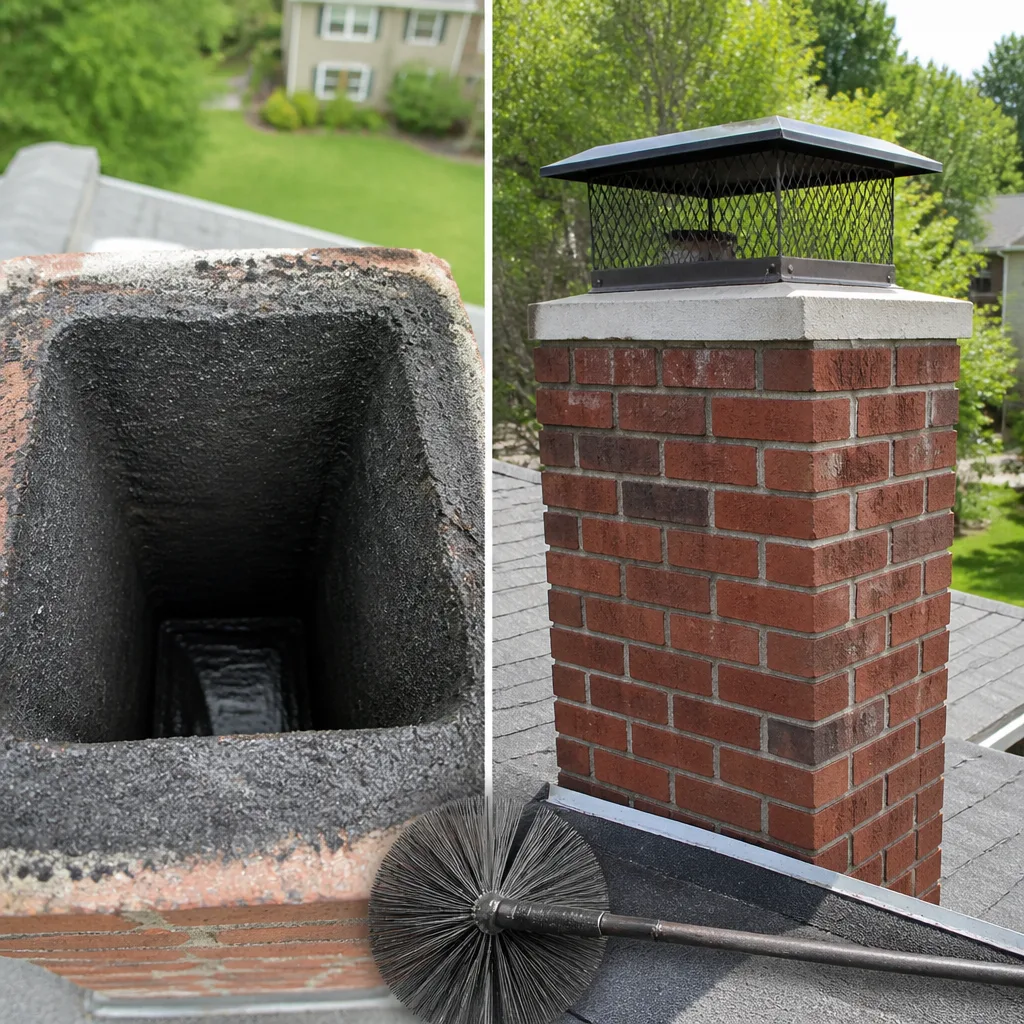 Sweep & inspection
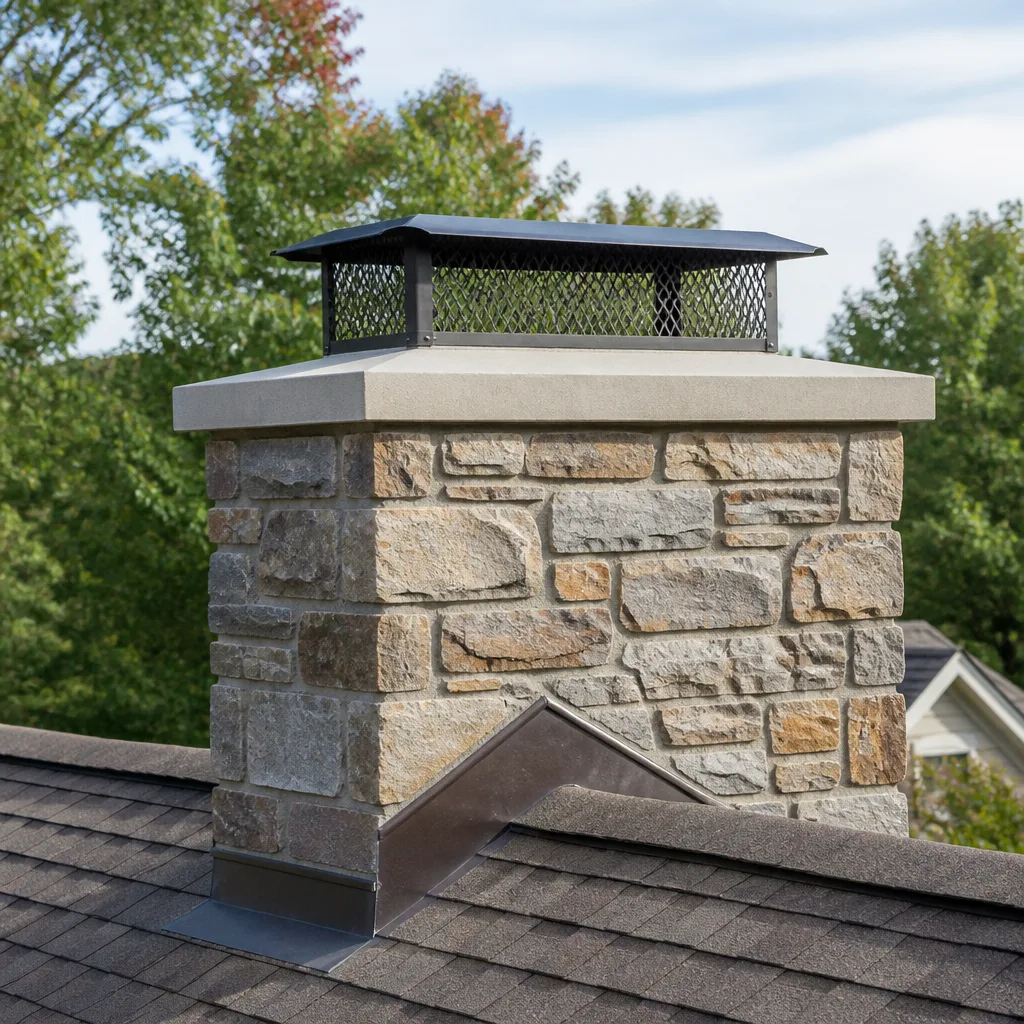 Caps & crowns
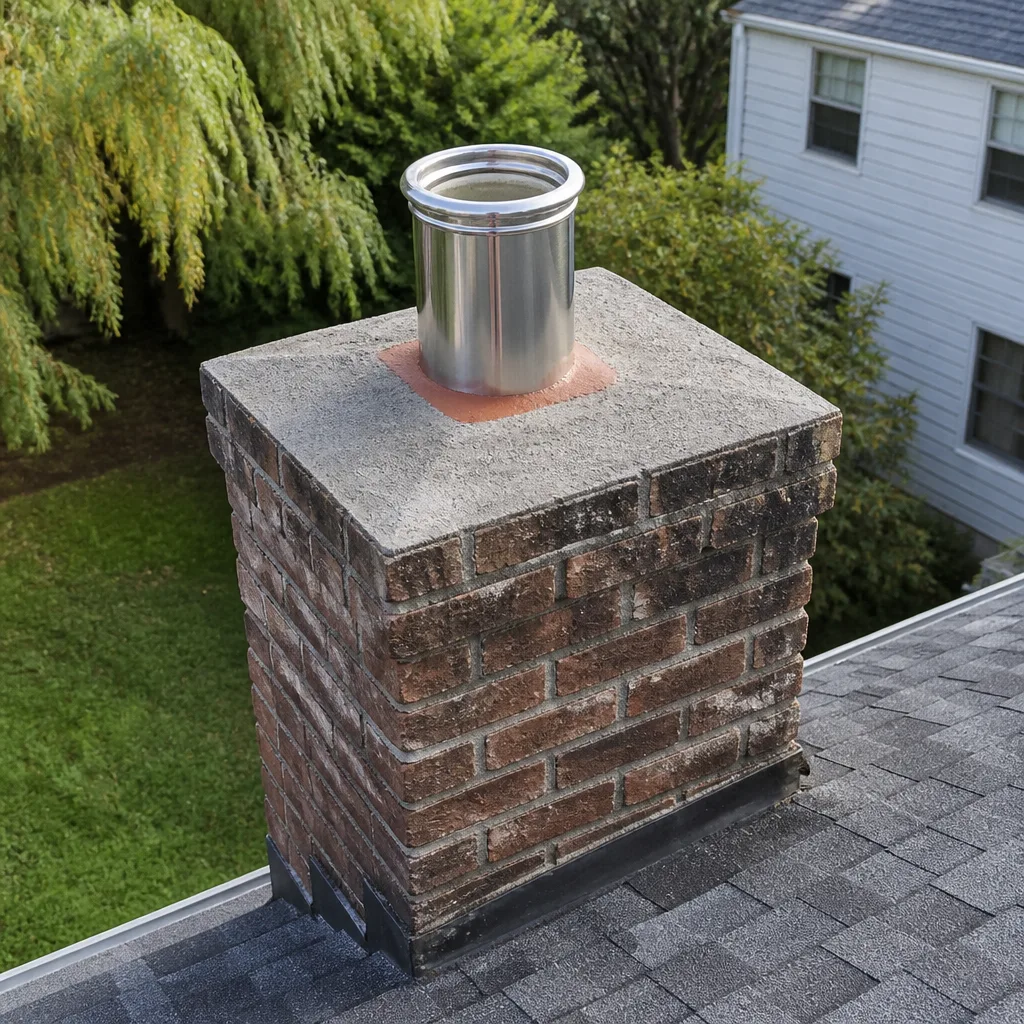 Flue relining
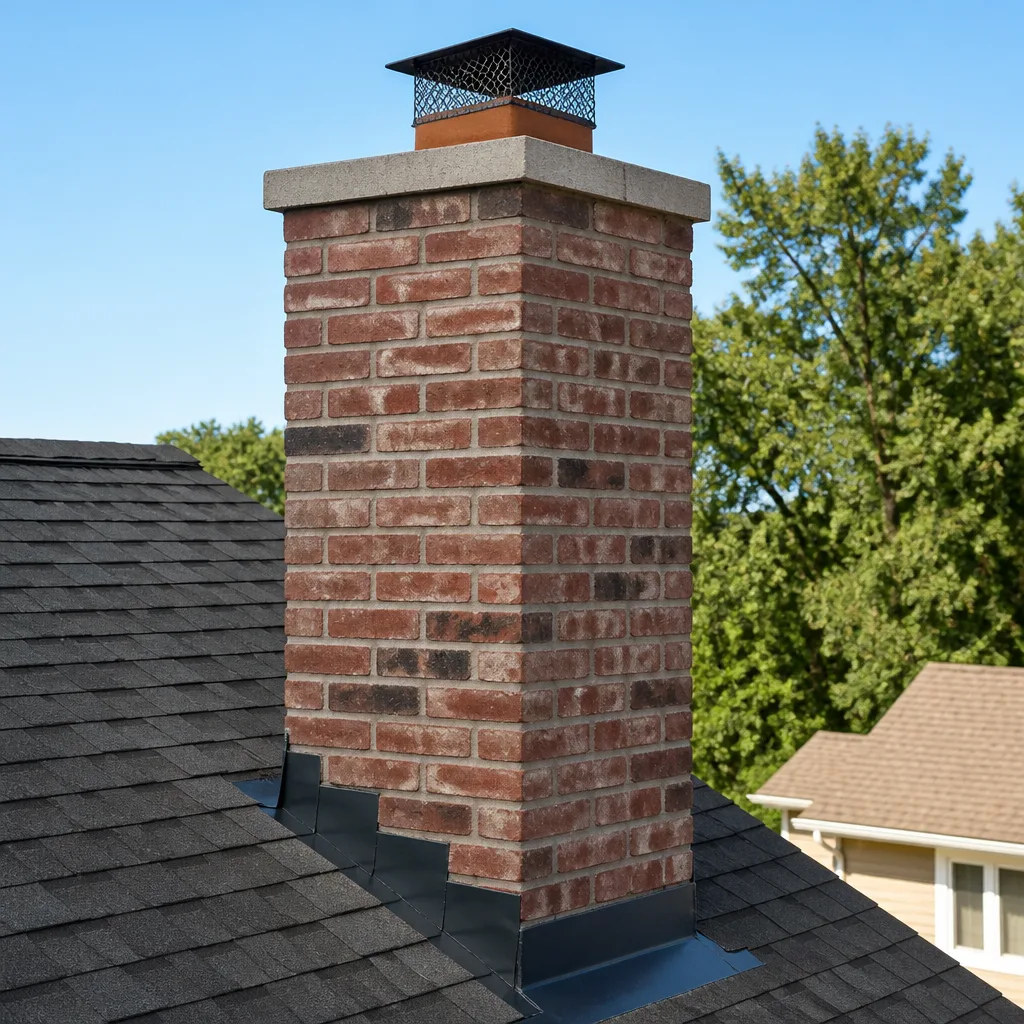 Masonry repair
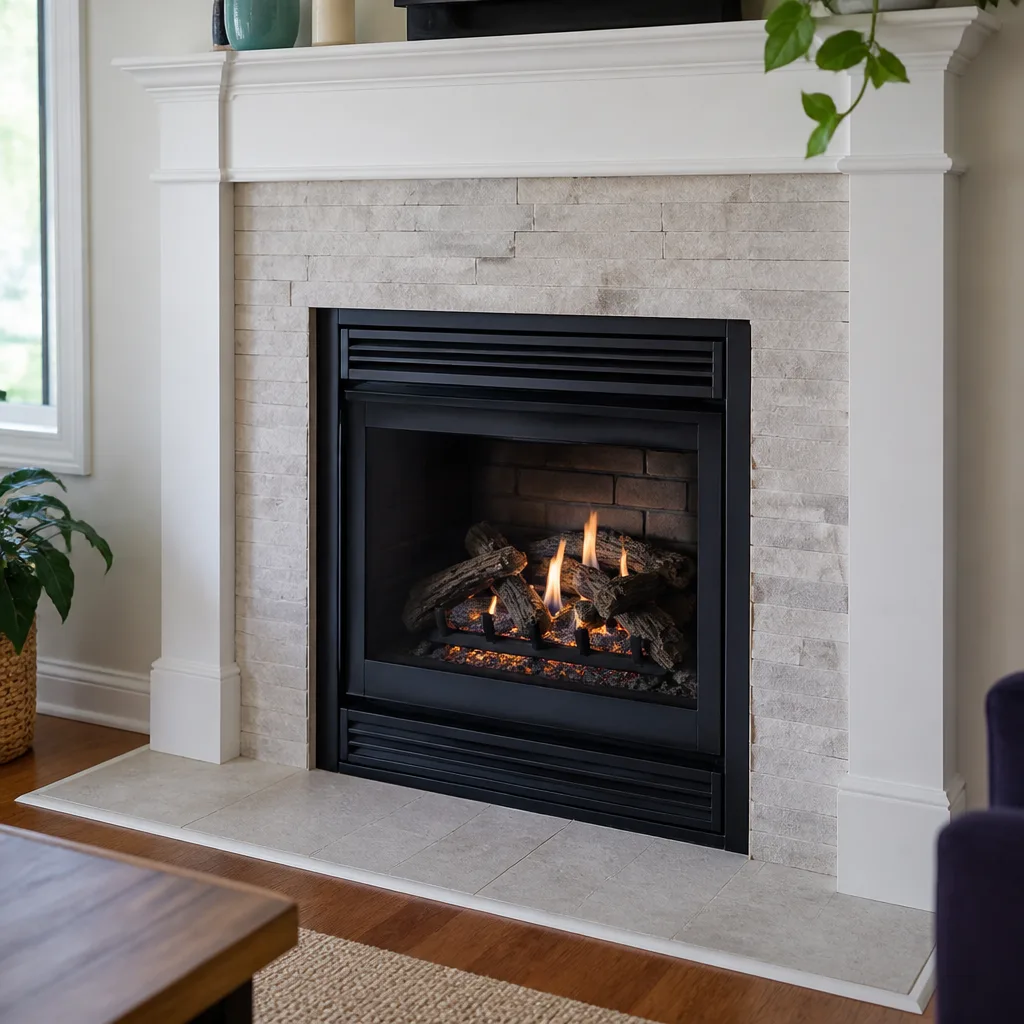 Gas fireplace service
Level 1 sweep and inspection to the NFPA 211 annual standard - flue, crown, cap, and flashing checked and photographed
Chimney sweep logs do not sweep chimneys. They loosen some creosote - which then falls where a brush and vacuum still have to collect it.
Chimney Cleaning Emergency Preparedness Guide for St. Petersburg Homes
The house fire that starts at a chimney is rarely a surprise to the chimney itself. In our experience, the warning signs were there for months: a glaze of creosote that kept thickening, a hairline crack in a flue tile, a cap that came loose and was never reattached. What makes St. Petersburg different from most of the country is the timing. Here, chimney trouble doesn’t build through a long cold winter. It builds quietly through a long hot summer, then gets tested the first cool evening someone lights a fire, or the first time a tropical system rolls through and drops a limb on the crown. This guide walks you through both scenarios, from spotting a fire already in progress to documenting storm damage for an insurance claim.
Quick Answer
Chimney emergencies in St. Petersburg fall into two predictable categories: a chimney fire sparked by a first-of-season fire in a dirty flue, and structural damage from a storm that goes undetected because the chimney isn’t inspected after the weather clears. Both can be prevented with a pre-season sweep and a post-storm check, and both call for the same first step if they’ve already happened: stop using the chimney immediately and get a professional inspection before another fire is lit.
Safety note: A chimney fire can burn inside the flue while the firebox looks normal from the room. If you suspect one, treat it as active until a professional tells you otherwise. Call (833) 467-4164. We answer 24/7. Fast dispatch from 7am to 7pm, Sunday through Friday.
Styles & brands we work with
- Sweep & inspection
- Caps & crowns
- Flue relining
- Masonry repair
- Gas fireplace service
Table of Contents
- Why St. Petersburg Chimney Emergencies Cluster in Two Seasons
- How Do You Know a Chimney Fire Is Happening Right Now?
- What to Tell 911 About a Chimney Fire
- Post-Hurricane Chimney Safety Protocol for St. Petersburg Homes
- The 24-Hour Post-Storm Inspection Checklist
- How to Document Chimney Damage for an Insurance Claim
- The Pre-Season Protocol: Before the First Fire
- Common Mistakes to Avoid
- When to Call a Professional
Why St. Petersburg Chimney Emergencies Cluster in Two Seasons
St. Petersburg doesn’t have a chimney problem the way New England does. Our burning season is short, our winters mild, and most homeowners use a fireplace for atmosphere more than heat. You’d think that would mean fewer chimney fires. The opposite is true, and the reason is simple: a chimney that sees fifty fires a year gets swept and inspected because the owner notices the buildup. A chimney that sees eight fires a year gets forgotten. Creosote accumulates regardless of how often you burn. It accumulates based on what you burn, how hot the fire runs, and how much time passes between sweeps.
In St. Petersburg, that buildup sits through the hot months, when nobody’s thinking about the flue. Then the first cool evening arrives, a fire gets lit, and the creosote that’s been glazing all year meets a hot flame for the first time. That’s event one: the first fire of the season in a flue that hasn’t been inspected.
Event two is storm-driven. Tropical systems and the thunderstorms that come with them can drop limbs onto a chimney crown, loosen a cap, crack masonry, or shift a flue liner. None of that is visible from the ground, and none of it announces itself until someone uses the chimney. In our experience, the gap between a storm and the first post-storm fire is where most preventable damage happens. A homeowner assumes the roof survived, so the chimney must have survived. That assumption is where trouble starts.
Both events are predictable. Both happen on a schedule you can see coming. Emergency preparedness for a St. Petersburg chimney isn’t about reacting faster. It’s about doing two things on a calendar: a pre-season sweep and inspection, and a post-storm check before the next fire.
How Do You Know a Chimney Fire Is Happening Right Now?
A chimney fire isn’t always the roaring, train-sound, flames-from-the-top event people picture. Many burn slowly inside the flue, starved of oxygen, and go unnoticed while they do real damage. The evidence shows up in the flue itself, not in the room. Knowing both the loud and quiet signs is the difference between calling it in and ignoring it until the next fire.
Signs of an active chimney fire include:
- A loud roaring, crackling, or popping sound that sounds like a freight train from inside the flue
- Dense dark smoke or flames visible at the top of the chimney
- A strong, hot smell in the room, or a burning smell that doesn’t match the fire
- Puffy, honeycomb-like creosote visible in the flue if you can see into it, which is evidence a previous fire burned hot
- Warped or discolored damper, or a chimney cap that has visibly heat-damaged
- A vibrating or shuddering chimney
What you should do, in order:
- Get everyone out of the house, including pets.
- Call 911. Say the words “chimney fire” rather than “house fire” so the dispatcher can route the response correctly.
- Do not pour water into the firebox. A sudden temperature change can crack masonry and flue tiles.
- Do not close the damper. A closed damper traps heat and can push fire into the structure.
- If you have a chimney fire extinguisher or a bucket of sand, use it only if it can be done safely from outside the firebox. Otherwise wait for the fire department.
- Once the fire department clears the scene, do not light another fire until a chimney professional has inspected the flue.
A slow-burning fire may show only some of these signs. In our experience, homeowners sometimes report a “hot” smell or soot flakes in the firebox months after a small fire burned itself out. That’s why we recommend an inspection after any fire event, even one that seemed minor.
What to Tell 911 About a Chimney Fire
The single most useful thing you can do on a chimney fire call is use the words “chimney fire” and describe what you see. Dispatchers and responding crews respond differently to a flue fire than to a room-and-contents fire, and the information you give in the first thirty seconds shapes the response.
What to say:
- “We have a chimney fire.” Use those words first.
- Your full address and whether the home is attached or detached.
- What you can see: smoke only at the top, visible flames, or a sound you can hear from the room.
- Whether everyone is out and whether anyone is unaccounted for.
- Whether you’ve used the fireplace recently and what you were burning.
What not to do:
- Don’t describe it as a “house fire” if the fire is still confined to the chimney. That changes the response in ways that may not match what you need.
- Don’t stay in the house to try to put it out. Chimney fires can spread to the structure through cracks in the flue that you can’t see.
- Don’t assume it’s small because the fire in the firebox looks normal. Slow-burning flue fires can look unremarkable from the room.
After the fire department clears the scene, the next call is to a chimney specialist. Fire crews extinguish and secure, but they don’t scope or repair flues. That inspection is the step that determines whether the flue is safe to use again. In St. Petersburg, that’s where our chimney repair work usually begins.
Post-Hurricane Chimney Safety Protocol for St. Petersburg Homes
A hurricane or strong tropical system can damage a chimney in ways that aren’t visible from the yard. Limbs drop on crowns, wind-driven rain gets into flues, caps loosen, and masonry cracks. The problem isn’t usually the damage itself. It’s that the homeowner doesn’t know the damage is there and lights a fire anyway. Here’s the protocol we recommend after any significant storm.
- Don’t light a fire until the chimney has been checked. Even if the firebox looks fine and the chimney appears intact from the ground. Structural damage to the crown, cap, or flue tiles can be invisible from below.
- Walk the yard and look up. From a safe distance, look at the chimney for missing cap, visible cracking, spalling brick, or a lean. Don’t climb the roof yourself, especially after a storm.
- Check the firebox and the visible flue. Look for water staining, loose tiles, or debris. Any water in the firebox after a storm is a sign the cap or crown has failed.
- Check the damper. If the damper won’t open or close smoothly, something has shifted.
- Look for soot or creosote flakes on the firebox floor. New flakes after a storm can mean the flue was disturbed.
- Call for a professional inspection before the next fire. This is the step most homeowners skip. In our experience, it’s also the step that catches most storm damage.
St. Petersburg chimneys take a specific kind of beating from storm season: not the freeze-and-thaw damage people talk about up north, but wind-driven rain, debris, and impact. The masonry itself doesn’t crack from cold, but a limb dropped on a crown can start a leak that runs down the flue for months. That’s the kind of damage that shows up as a water stain in a firebox, not as a dramatic failure. Anyone with a chimney in St. Petersburg should treat a storm as a reason for an inspection, not a reason to wait and see. Our chimney sweep service includes the inspection that follows a storm, so you know exactly what’s inside the flue before the next fire.
The 24-Hour Post-Storm Inspection Checklist
This checklist is for the homeowner to run within a day of the storm clearing, before calling a sweep. It doesn’t replace a professional inspection. It tells you how urgently you need one, and it gives you documentation for an insurance claim if there is damage.
- Photograph the chimney from the ground. All sides you can see, plus one wide shot of the roof. Note the date and time in your phone’s photo app.
- Check the cap and spark arrestor. Missing, bent, or displaced? That’s a priority call.
- Look for spalling brick or missing mortar. Any new cracking, especially stair-step cracks in the mortar joints, needs a professional look.
- Check the crown. A cracked crown lets water into the flue. Visible cracking is a priority.
- Look inside the firebox. Water stains, debris, or soot flakes are all signs the chimney has been compromised.
- Test the damper. It should move smoothly. Any sticking or grinding is worth flagging.
- Check the attic and ceiling near the chimney chase. Any new water stain, especially on the drywall near the chimney, is a priority. That’s water that got past the exterior and into the structure.
- Write down what you found. Include the date, the storm, and what you observed. This becomes your insurance documentation.
If you found nothing on this checklist, that’s a good sign, but it isn’t a guarantee. Some storm damage is only visible with a camera and a light run down the flue. If you found anything on the list, or if you’re planning to burn in the next few weeks, book an inspection. The St. Petersburg storm season runs on a known schedule, and the inspection is the cheapest insurance you’ll ever buy on a chimney.
How to Document Chimney Damage for an Insurance Claim
Insurance claims on chimney damage succeed or fail on documentation. The adjuster isn’t going to climb your roof. They’ll work from photos, the inspection report, and a clear timeline. What you do in the first 48 hours after a storm or fire event is what gets the claim paid.
What to capture:
- Wide shots and close-ups of the chimney from every angle you can reach safely from the ground
- Photos of any debris in the yard that came from the chimney or landed on it
- Interior photos of the firebox, damper, and any water staining
- Photos of any water stains on interior walls or ceilings near the chimney chase
- Dates and times on every photo, and a written note of the storm or fire event that caused the damage
- The professional inspection report, which is the document that ties the observed damage to a cause and a recommended repair
What the inspection report should include:
- The condition of the flue, with camera evidence
- The condition of the crown, cap, and masonry
- Whether the damage is storm-related, fire-related, or pre-existing
- A recommended repair scope with the materials specified
That last piece matters. An insurance adjuster will ask what the repair involves and whether the materials are standard for the trade. When a repair specifies professional-grade chimney materials such as DuraFlex or Olympia Chimney, the adjuster has a documented scope to compare against the estimate. That’s one of the reasons we work with those brands specifically.
The Pre-Season Protocol: Before the First Fire
The single best chimney emergency preparedness step in St. Petersburg is also the least dramatic: book an inspection and sweep before the first fire of the season. It’s the difference between finding a problem in October and finding it in December after a fire has already run through it.
The protocol, in order:
- Book the pre-season inspection. Before the first cool evening, not after. In our experience, the calendar fills up as soon as the first cool front comes through, and homeowners who waited wind up burning before the inspection happens.
- Get the sweep done on the same visit if the flue needs it. A sweep and an inspection aren’t the same service, but they pair naturally. The sweep clears the creosote, and the inspection tells you what shape the flue is in.
- Ask for the camera findings. A chimney is a structural safety system. You should know what’s inside the flue before the first fire, and you should see the evidence yourself, not just hear a verdict.
- Fix any identified issue before burning. If the inspection finds a cracked flue tile, a damaged crown, or a loose cap, that’s not a “get to it later” item. Our full-scope chimney work covers inspection, sweep, and repair under one company, so the fix happens without coordinating a second contractor.
- Re-check after the first fire of the season. Not a full inspection, just a visual check of the firebox and the exterior. If anything looks off, call for a follow-up.
This protocol works because it’s on a schedule. It doesn’t depend on the homeowner noticing warning signs, which is where most emergency preparedness advice fails. Our technicians have up to 11 years of experience, and in that time, the pattern we’ve seen most often is that the chimney fire that started a house fire wasn’t random bad luck. There was a known gap in maintenance that the homeowner planned to get to before the season. The pre-season sweep is how you close that gap before it closes on you.
Common Mistakes to Avoid
- Lighting the first fire without an inspection. This is the single most common cause of chimney fires in St. Petersburg. The flue has had all year to accumulate creosote and all storm season to pick up damage, and neither shows up when you open the damper.
- Assuming a post-storm visual check is enough. A limb that glanced off the crown may not have left a mark you can see from the ground, but it can have cracked the crown or shifted the cap. The flue needs to be looked at from the inside after a storm.
- Burning wet or unseasoned wood. St. Petersburg’s humidity makes it easy to store wood that never fully dries. Wet wood burns cool and produces more creosote than dry wood does, which accelerates buildup.
- Ignoring a slow-burning chimney fire. Not all chimney fires roar. Some burn quietly inside the flue and look like a normal fire from the room. If you smelled something hot, saw soot flakes, or had a strange sound, get the flue inspected even if the fire looked fine.
- Using a general handyman for chimney work. Chimney service is its own trade with its own tools, materials, and inspection standards. A generalist may sweep, but they won’t have the camera or the repair scope to find what’s actually wrong inside the flue.
- Skipping the camera inspection on a new-to-you home. A pre-purchase chimney inspection tells you what you’re buying. A general home inspector glances at the chimney. A chimney specialist runs a camera down the flue.
- Not documenting storm damage. Insurance claims are won or lost on the documentation you capture in the first 48 hours. Photos from the ground, a dated note of the storm, and a professional inspection report are the difference between a claim that pays and one that gets argued.
When to Call a Professional
Some chimney work is routine maintenance. Some of it is a call you make today. Here’s where the line falls.
Call us today if you’ve had a chimney fire, even a small one, or if you smell something hot after burning. Call if you’ve had a storm that dropped limbs on or near the roof and you haven’t had the chimney inspected since. Call if you see water in the firebox, soot flakes on the firebox floor, spalling brick, or a cap that’s come loose. Call if the damper sticks or the fire is hard to start, which can be a draft problem caused by a partially blocked or damaged flue. And call if you’re buying a home in St. Petersburg and want a specialist pre-purchase inspection rather than a generalist’s glance.
Citadel Chimney Cleaning offers free estimates in St. Petersburg – call (833) 467-4164. We answer 24/7. Fast dispatch from 7am to 7pm, Sunday through Friday. Our chimney work covers inspection, sweep, and repair under one company, and our repairs use professional-grade chimney brands including HeatShield and DuraFlex for liner work, Gelco and Olympia Chimney for components, and Famco where the job calls for it.
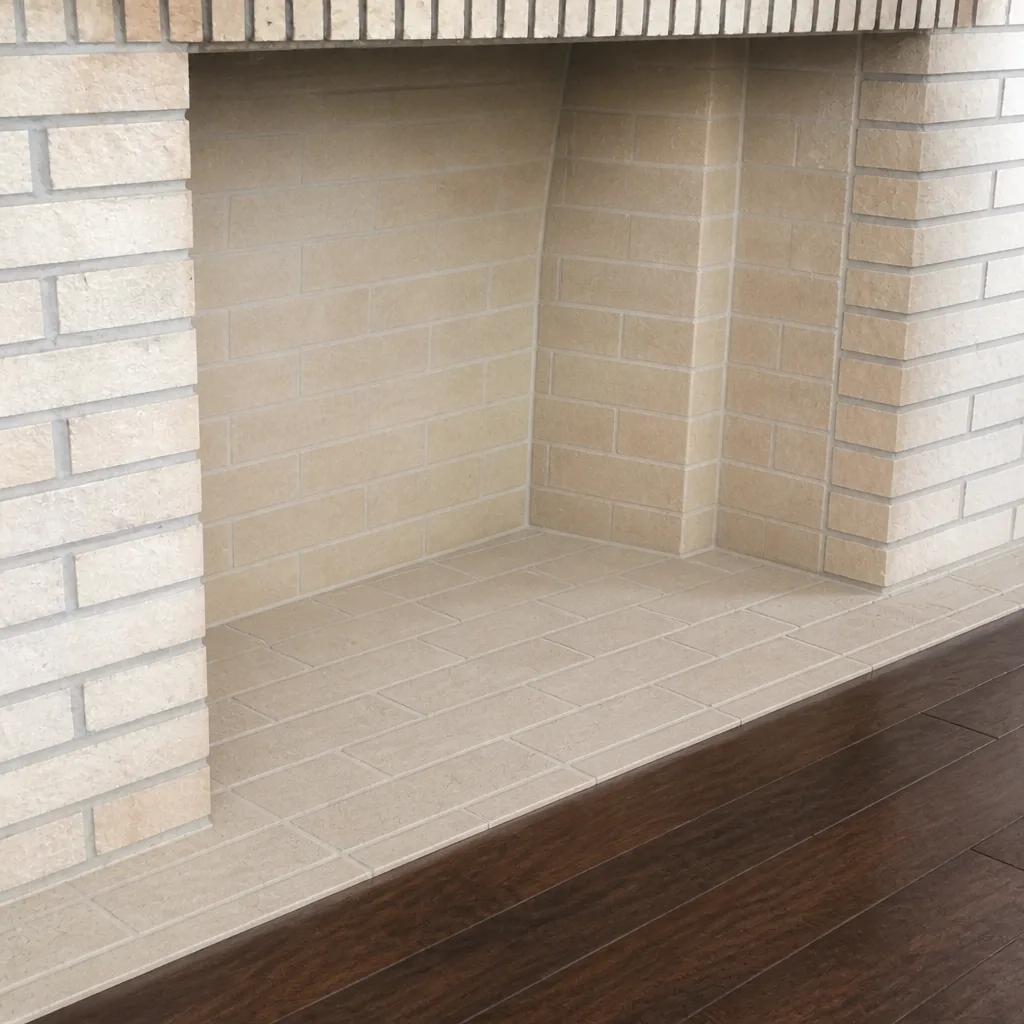
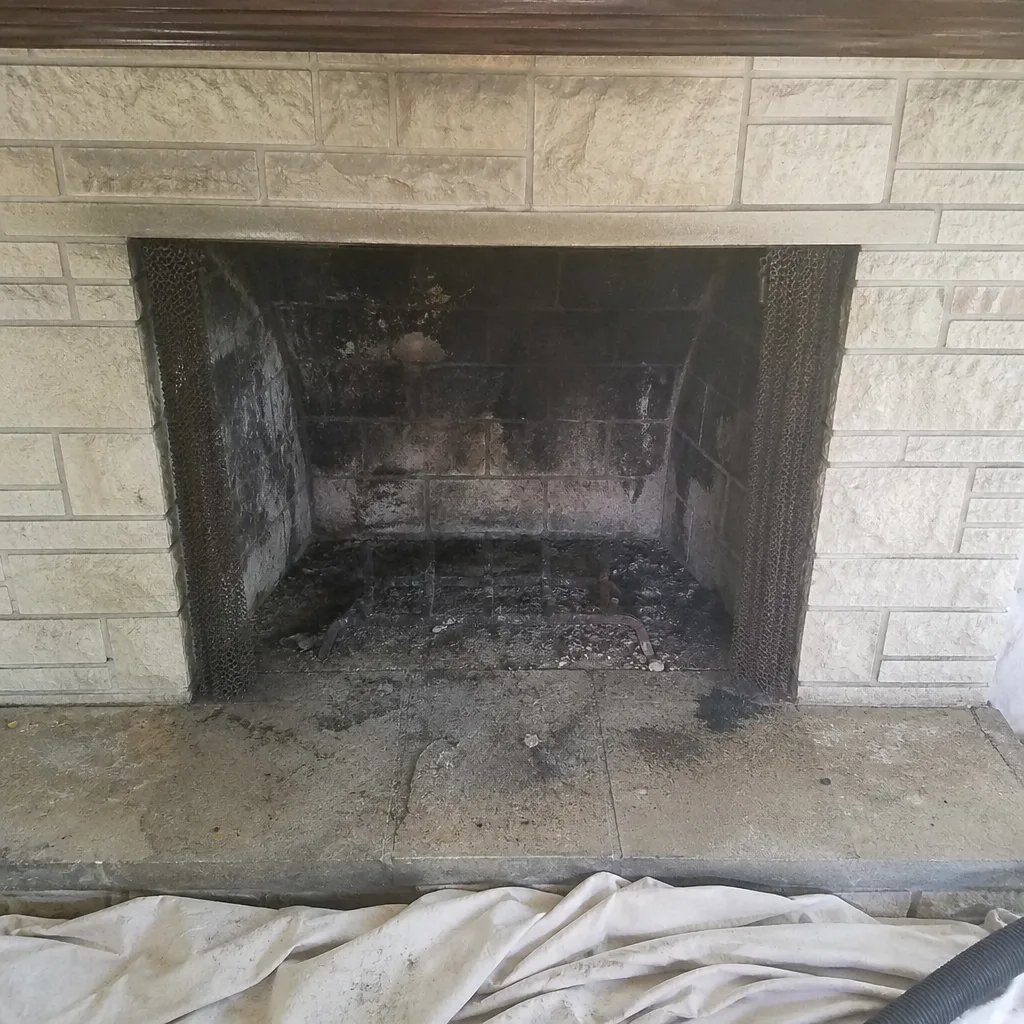
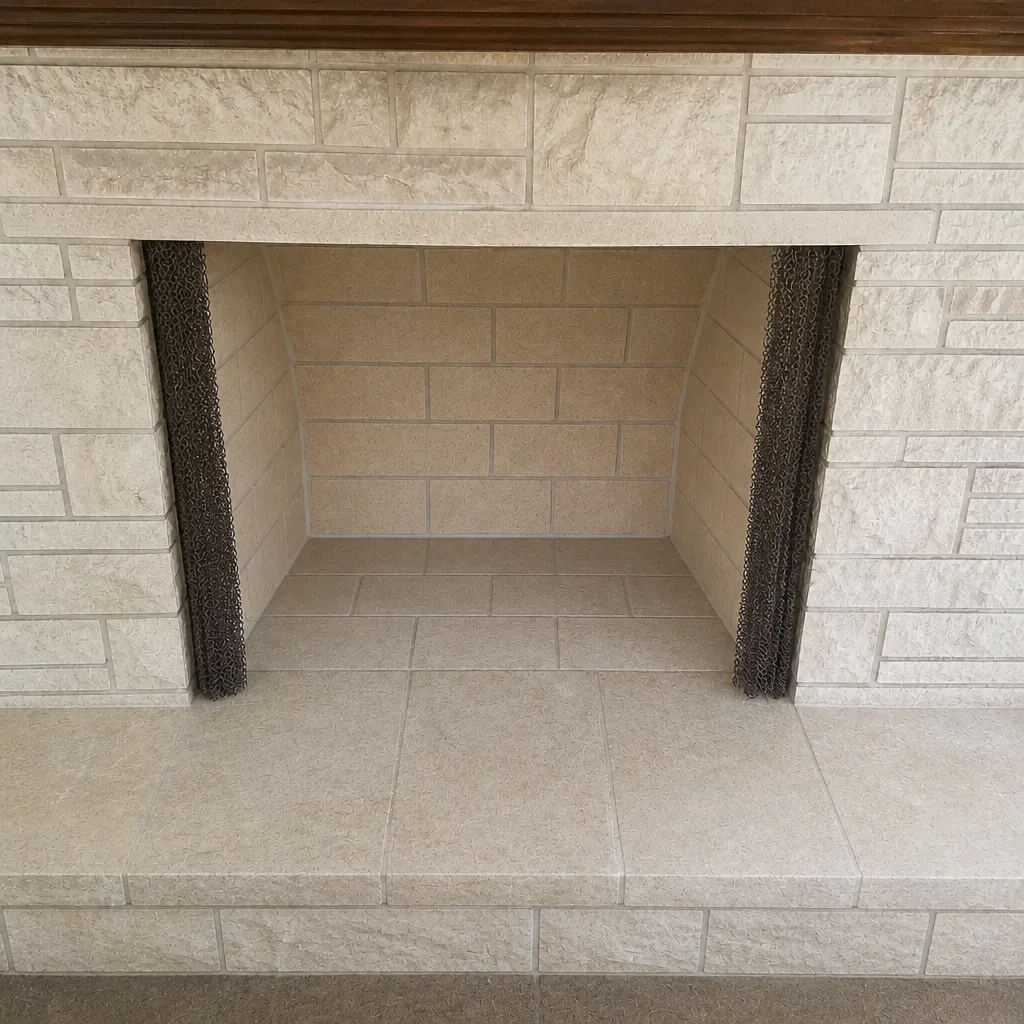
See the difference
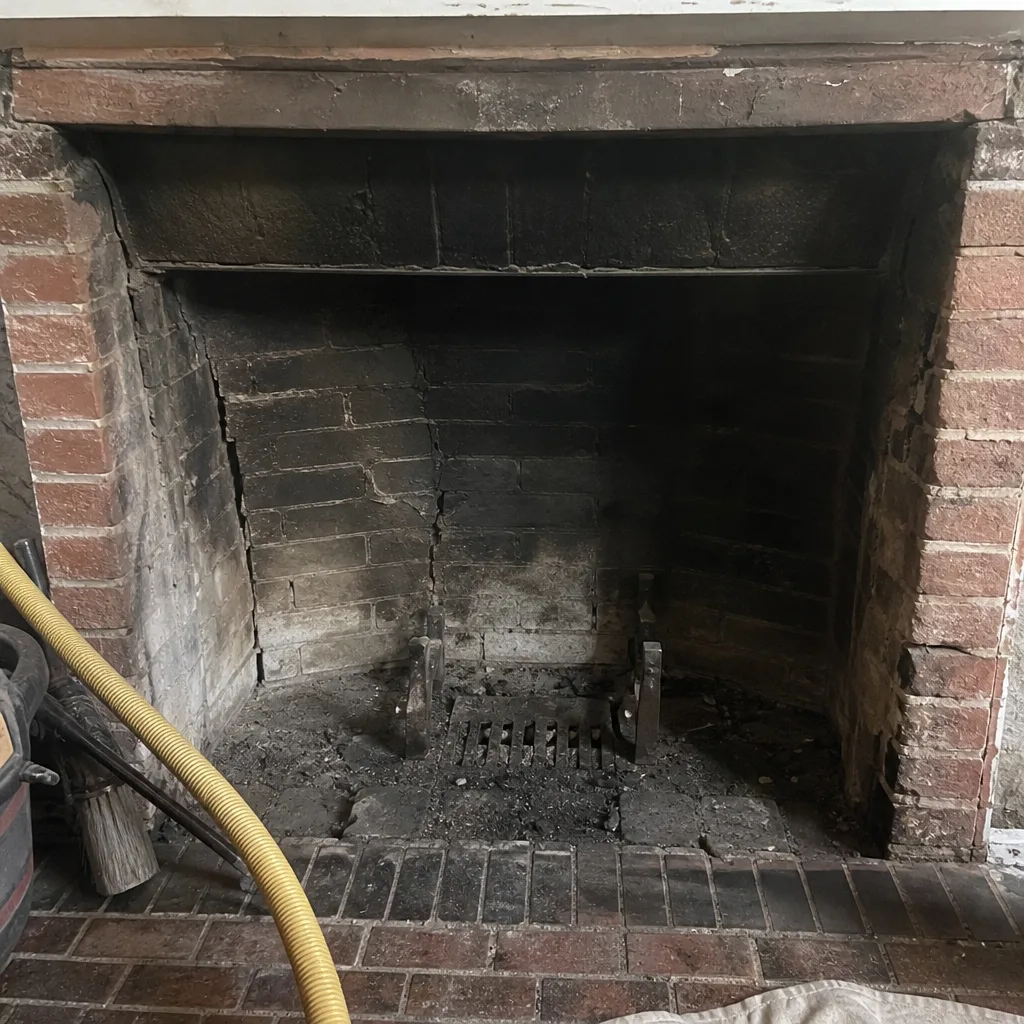 Before
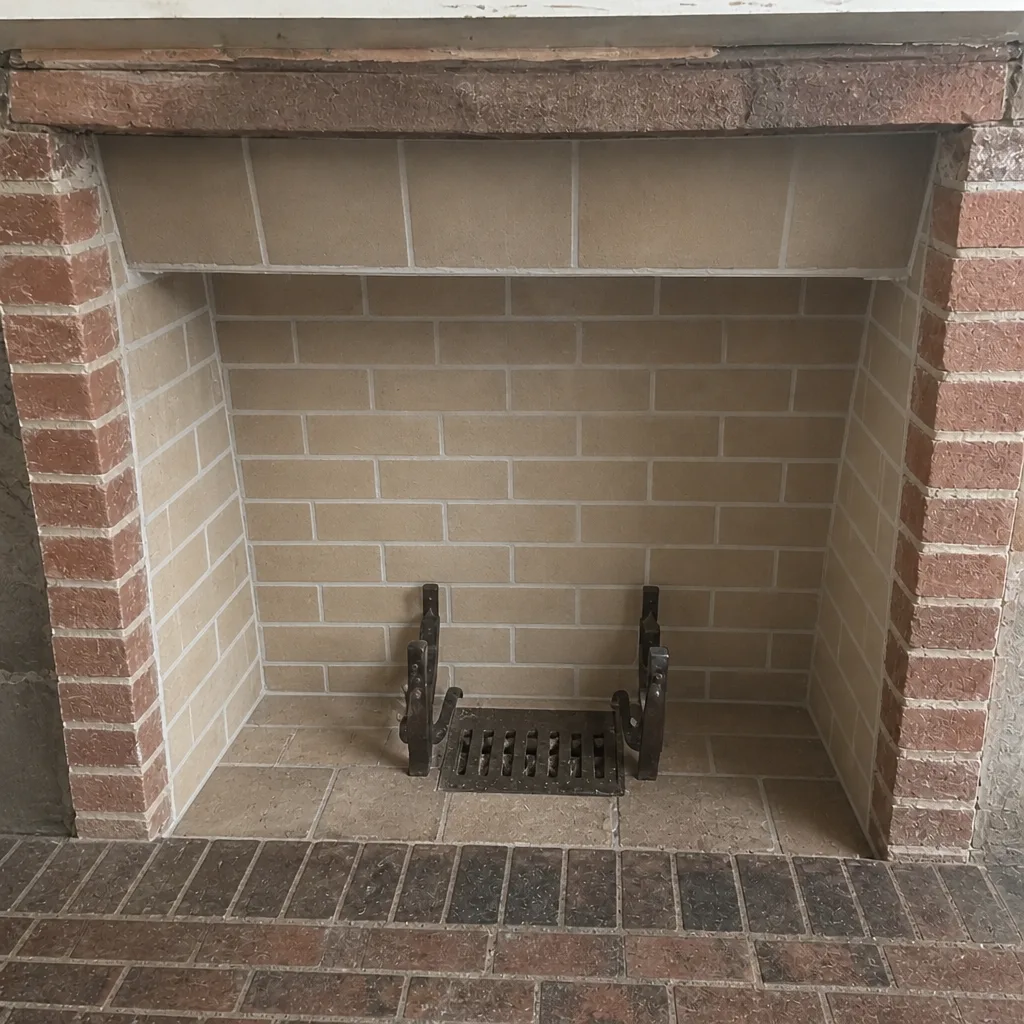 After
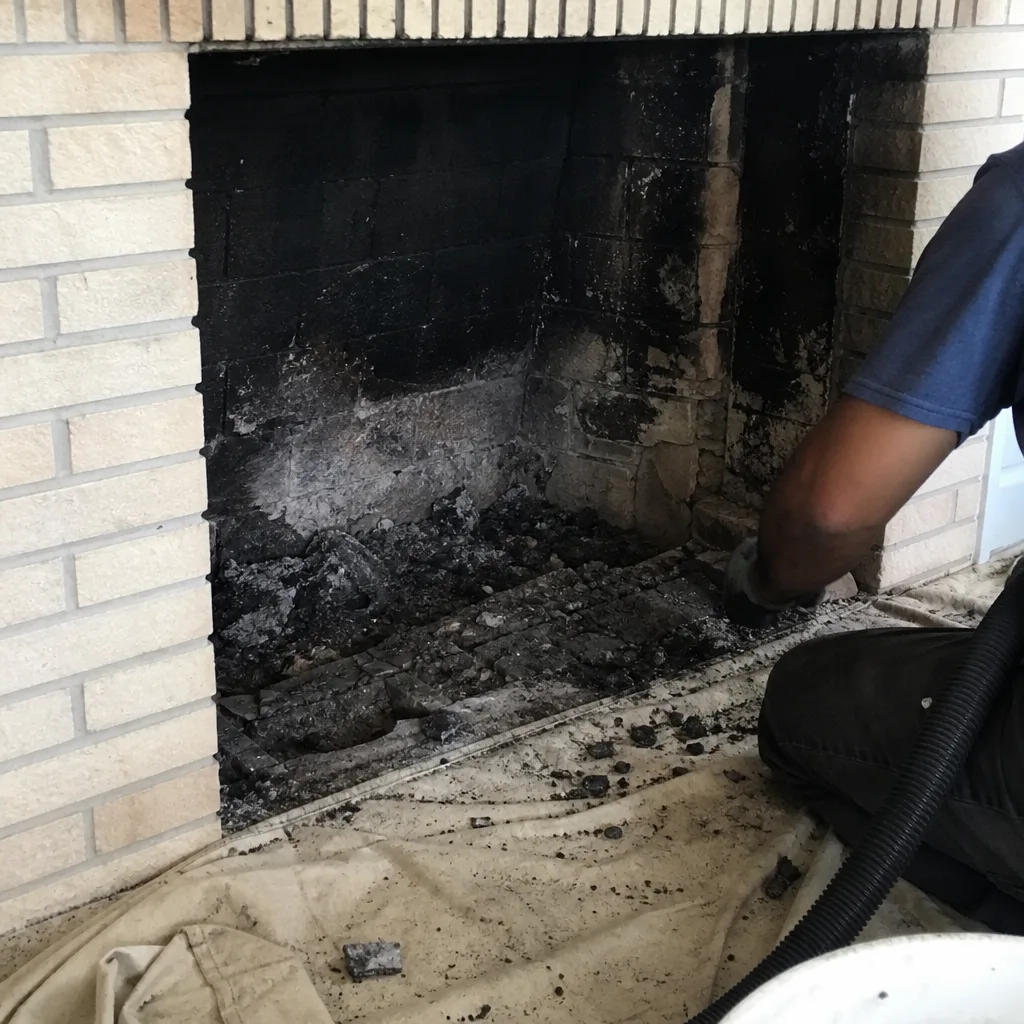 Before
 After
 Before
 After
Frequently Asked Questions
Get everyone out of the house, call 911, and use the words “chimney fire” when you call. Don’t close the damper, don’t pour water into the firebox, and don’t go back inside until the fire department clears the scene. Then book a professional inspection before lighting another fire. Call (833) 467-4164 for an exact quote on the inspection – estimates are free.
Most St. Petersburg chimneys should be swept once a year, before the burning season starts. How often you actually burn matters, so if you use your fireplace regularly or burn wet wood, an annual sweep is the minimum. An annual inspection catches what a sweep alone won’t. Call (833) 467-4164 for an exact quote on the sweep – estimates are free.
Yes. Hurricane and tropical storm damage to a chimney is often invisible from the ground. Cracks in the crown, a shifted cap, or a displaced flue tile can all be hidden from a visual check. The only way to know is to run a camera down the flue. Call (833) 467-4164 for an exact quote on the inspection – estimates are free.
Photograph the chimney from the ground on every side you can reach, date the photos, and write down the storm event. Then get a professional inspection report that identifies the damage, ties it to a cause, and gives a recommended repair scope with specified materials. That report is the document your adjuster will work from. Call (833) 467-4164 for an exact quote on the inspection that produces that report – estimates are free.
Yes. Slow-burning chimney fires can burn for a while inside the flue with very little visible evidence from the room. Warning signs afterward include soot flakes in the firebox, a hot smell, warped damper components, or a puffy, honeycomb texture in the creosote. Any of those signs means an inspection is overdue. Call (833) 467-4164 for an exact quote on the inspection – estimates are free.
We handle the repair. From inspection to repair, one specialist handles it all, and our repair work uses professional-grade chimney materials including HeatShield and DuraFlex for liner resurfacing and relining rather than generic substitutes. Call (833) 467-4164 for an exact quote on the repair – estimates are free.
The Bottom Line
Chimney emergencies in St. Petersburg don’t come out of nowhere. They come out of two predictable gaps: a first fire lit in an uninspected flue, and a post-storm chimney used before anyone checked it. Both gaps close the same way: with a pre-season sweep and inspection, and a post-storm check that runs inside the flue, not just on the roof. Know the signs of an active chimney fire, know how to call it in, and know the checklist to run within 24 hours of a storm. That’s what preparedness actually looks like. When you’re ready to close the gap, Citadel Chimney Cleaning handles the inspection, the sweep, and the repair as one company, with materials from names the trade recognizes. Call (833) 467-4164 for a free estimate. We answer 24/7. Fast dispatch from 7am to 7pm, Sunday through Friday.
Written by the team at Citadel Chimney Cleaning.