
Last updated November 15, 2026
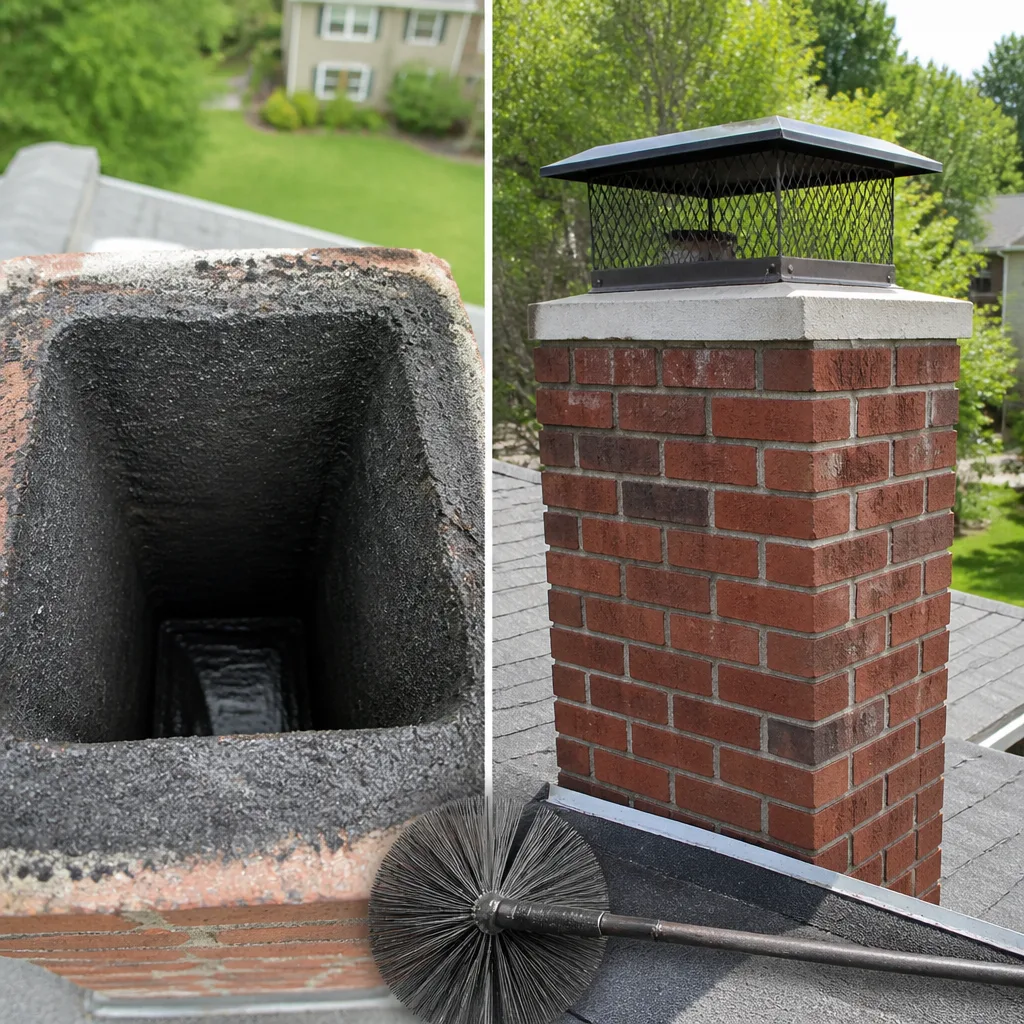 Sweep & inspection
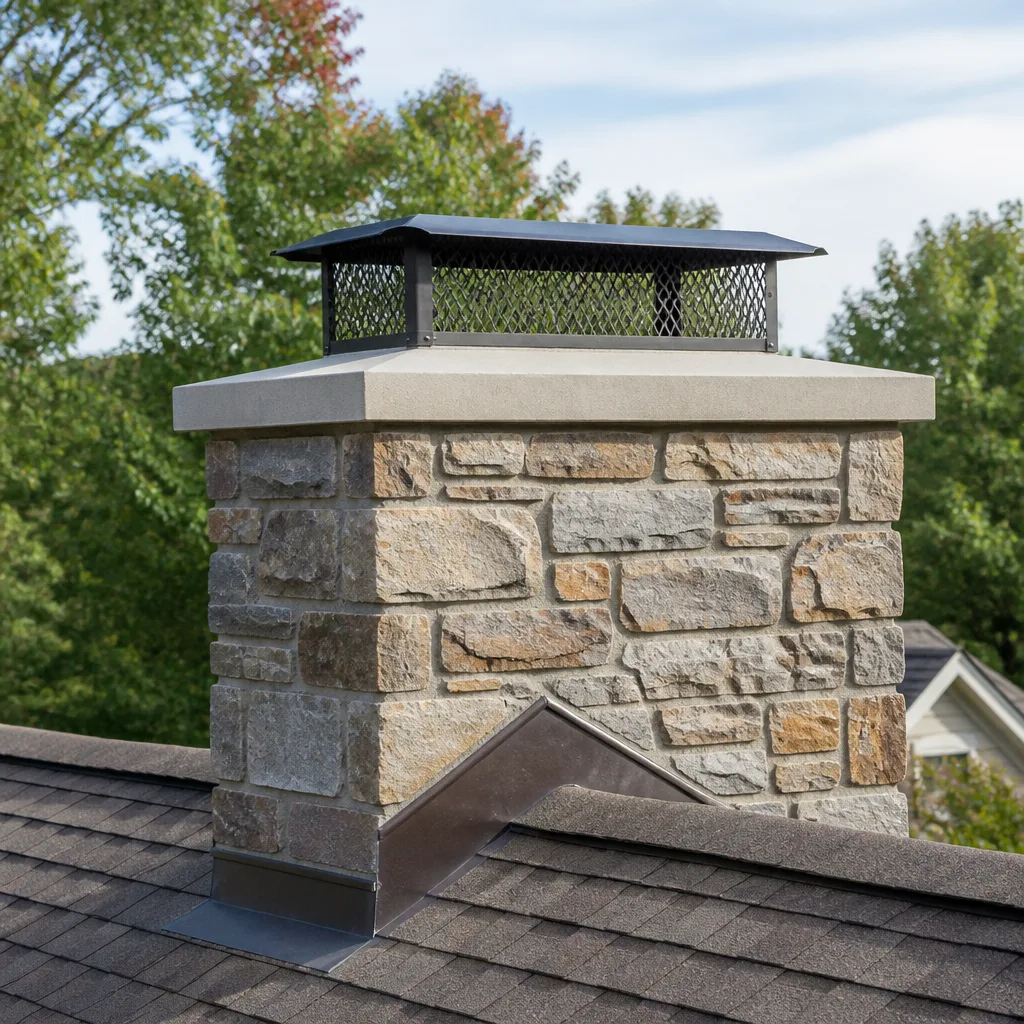 Caps & crowns
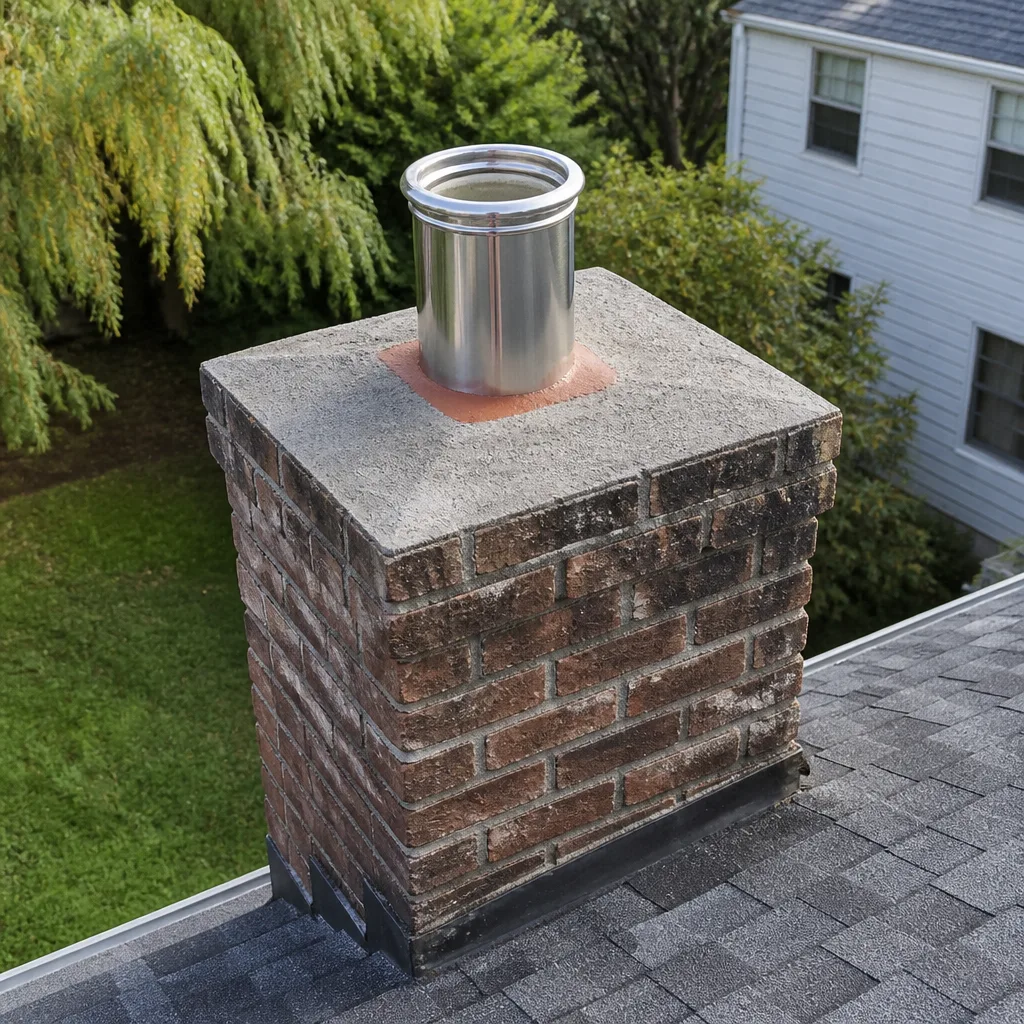 Flue relining
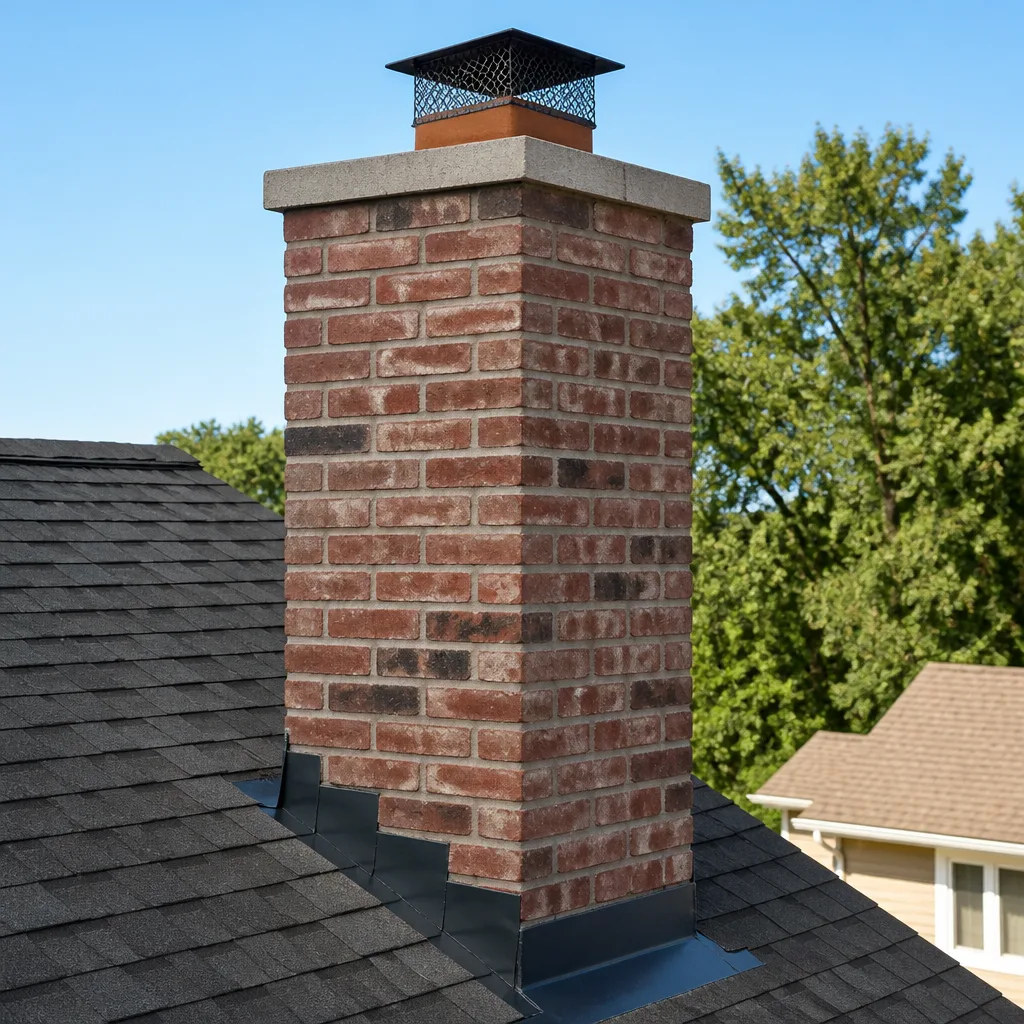 Masonry repair
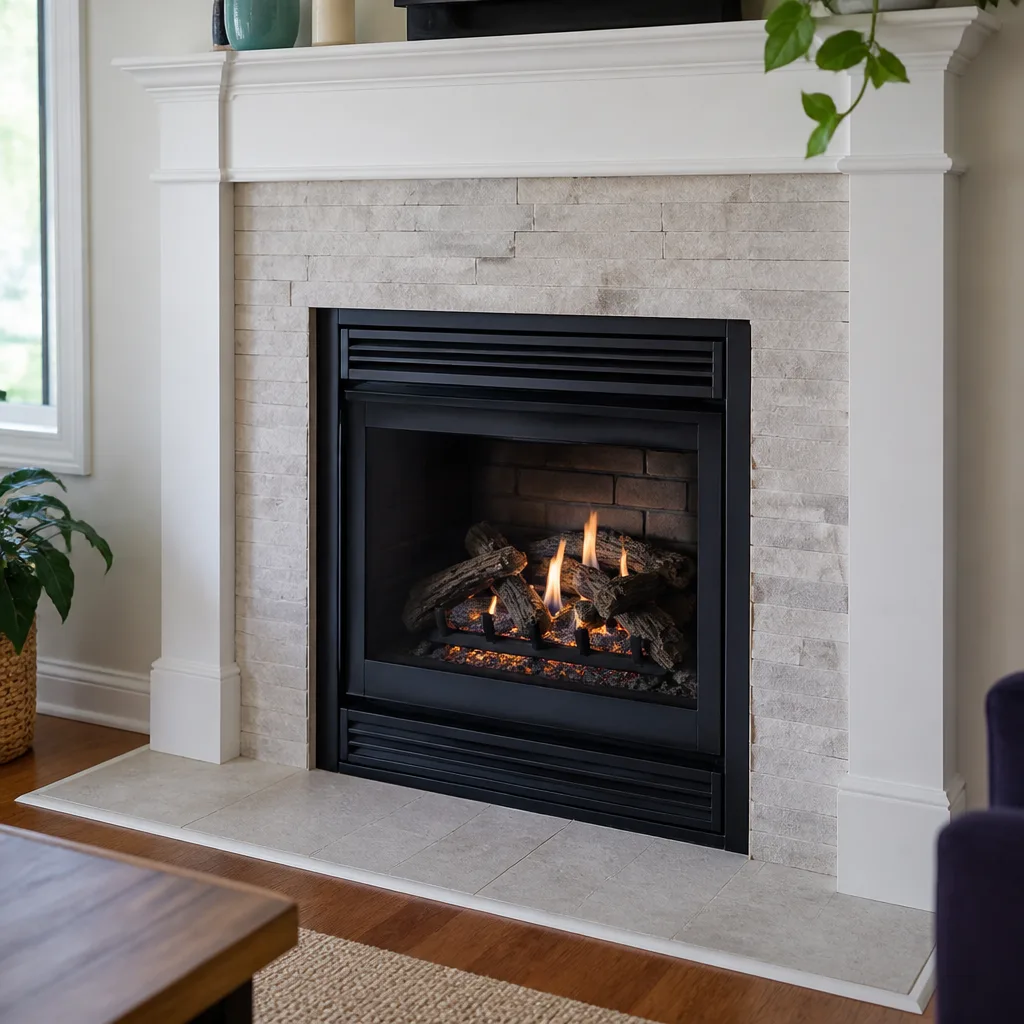 Gas fireplace service
Level 1 sweep and inspection to the NFPA 211 annual standard - flue, crown, cap, and flashing checked and photographed
Chimney sweep logs do not sweep chimneys. They loosen some creosote - which then falls where a brush and vacuum still have to collect it.
Chimney Cleaning Warning Signs: A St. Petersburg Homeowner’s Reference Guide
That white chalky stain running down your chimney exterior isn’t weathering. It’s efflorescence, and it’s your masonry telling you water is moving through it in ways that will get expensive if you wait. Most homeowners in St. Petersburg read the early warnings as quirks of an older home: a musty smell in the firebox come July, a fireplace that smokes only on certain days, a few flakes of brick on the roof. Each of those is a diagnostic signal pointing to a specific, correctable problem. This guide walks through the warning signs we look for on chimney systems across St. Petersburg, what each one actually means, and which ones can wait versus which ones need attention before the next fire.
Quick Answer
The most serious chimney warning signs in St. Petersburg are white efflorescence staining on the exterior masonry, a musty or smoky odor from the firebox during humid months, reverse draft that appears in certain weather, spalling brick, and animal activity in the flue. Any one of these points to moisture intrusion, creosote buildup, or a draft problem that a professional inspection can confirm. None of them resolve on their own.
Styles & brands we work with
- Sweep & inspection
- Caps & crowns
- Flue relining
- Masonry repair
- Gas fireplace service
Table of Contents
- Efflorescence: What the White Stain on Your Chimney Really Means
- The Summer Firebox Odor That Signals Creosote Plus Moisture
- Reverse Draft and Gulf Coast Pressure Patterns
- Spalling Brick: When It Crosses From Cosmetic to Structural
- Wildlife Signs and Year-Round Nesting Risk
- Creosote Stages and What Each One Tells You
- How Often to Schedule a Chimney Inspection in St. Petersburg
- Common Mistakes to Avoid
Efflorescence: What the White Stain on Your Chimney Really Means
Efflorescence is a white, chalky or powdery deposit that appears on brick and mortar. It forms when water moves through masonry, dissolves mineral salts inside the brick, and carries them to the surface, where they dry and leave a crust behind. The stain itself is harmless. What it reveals is not.
On a chimney in St. Petersburg, efflorescence is a moisture map. It tells you water is getting into the masonry somewhere, moving through it, and evaporating out the face. The source could be a failed crown, a cracked mortar joint, a missing or damaged cap, or a flashing detail at the roofline that has opened up. Florida’s humid air and heavy summer rain put masonry under constant moisture pressure, so a small entry point compounds faster here than in a dry climate. That’s why the same stain you might ignore on a building up north deserves attention on a chimney in St. Petersburg.
Where you see the stain matters as much as whether you see it. Efflorescence concentrated near the top of the chimney usually points to a crown or cap issue. Staining low on the stack, especially near the roofline, suggests flashing or mortar joint failure. Staining that reappears after cleaning means the moisture source is still active.
Treat efflorescence as a diagnostic starting point, not a cosmetic problem to scrub away. Cleaning the stain without finding the water source guarantees it comes back. A professional inspection traces the moisture to its origin and identifies what needs repairing, whether that’s a crown rebuild, joint repointing, flashing work, or a new cap. Once the source is sealed, the efflorescence stops forming.
If you’re seeing efflorescence on your chimney in St. Petersburg, that’s one of the clearest reasons to book a chimney sweep and inspection together, since the sweep clears the flue while the inspection evaluates the exterior envelope from crown to flashing.
The Summer Firebox Odor That Signals Creosote Plus Moisture
Many homeowners in St. Petersburg notice a musty, smoky, or sour smell coming from the firebox during the summer months, when the fireplace hasn’t been used in weeks. It’s easy to write off as “old house smell.” It isn’t. A persistent summer firebox odor is almost always the interaction of creosote residue with humidity.
Here’s the mechanism. Every wood fire deposits creosote on the flue walls, and some of that residue is hygroscopic, meaning it pulls moisture out of the air. During a St. Petersburg summer, the air is heavy with humidity. That moisture settles on the creosote, and the combination produces an acrid, smoky, sometimes sour odor that drifts down into the living space. The smell is strongest on still, muggy days and after rain.
What the odor tells you:
- Creosote is present in the flue in meaningful quantity. A clean flue doesn’t hold enough residue to produce a strong smell.
- The flue is drawing ambient moisture down into the firebox, which means the draft is weak or the flue is oversized for the appliance.
- There may be a cap or damper issue letting humid air move freely through the system when the fireplace is idle.
A smoky smell that appears only in summer and disappears once you start burning again is a classic creosote-plus-humidity signature. A smell that persists year-round, or one that’s stronger when the fireplace is in use, points to a draft problem instead.
Don’t mask the odor with air fresheners or a closed damper. Both hide the signal without addressing the cause. A sweep removes the creosote load, and an inspection identifies whether the draft issue needs correcting. If you’ve been smelling that summer firebox odor in your St. Petersburg home year after year, it’s worth having it looked at before the next heating season, and a chimney repair visit can address a damaged cap or damper at the same time.
Reverse Draft and Gulf Coast Pressure Patterns
Reverse draft is what happens when air flows down the chimney instead of up. Instead of smoke rising out of the flue, it gets pushed back into the room. Homeowners often describe it as the fireplace “smoking” only on certain days, or as a cold draft coming down the chimney when the fireplace isn’t lit.
St. Petersburg’s position on the Gulf Coast makes reverse draft a more common complaint than it is inland. The reason is barometric pressure. When a strong high-pressure system sits over the area, the outside air is heavier than the air inside the flue, and that pressure difference can push air down the chimney. Low-pressure systems and shifting sea-breeze patterns can do the same. Chimneys that are short, oversized for the firebox, or affected by nearby rooflines and trees are more vulnerable.
The most common symptoms of reverse draft:
- Smoke rolling into the room when you first light a fire
- A cold draft from the firebox on windy days
- Ash or soot puffed onto the hearth after a fire
- A smell of smoke in the house when the fireplace is off
Some of these are correctable. A missing cap, an improperly sized flue, a blocked flue from a bird’s nest, or a negative-pressure condition inside the house (from exhaust fans, a tightly sealed home, or a nearby taller structure) can all create reverse draft. The important point is that reverse draft is a symptom, and the fix depends on the cause. A pressure problem caused by an undersized flue is solved with relining, sometimes with a DuraFlex liner sized to the appliance. A blocked flue is solved with a sweep. A negative-pressure issue may need a make-up air solution or a top-sealing damper.
If your fireplace reverses draft in certain weather, don’t accept it as “just how this fireplace works.” It’s a diagnostic clue, and correcting it makes the fireplace safer and more usable during St. Petersburg’s cooler months.
Spalling Brick: When It Crosses From Cosmetic to Structural
Spalling is when the face of a brick flakes, peels, or pops off. It looks like a small crater where a smooth brick face used to be. Spalling begins as a moisture problem in the masonry, and it has a clear progression from cosmetic concern to structural risk.
The stages to watch for:
- Surface flaking. Small chips or a powdery surface on a few bricks. This is early stage and usually moisture-related, often paired with efflorescence.
- Face loss on multiple bricks. Whole brick faces peeling off, exposing the softer inner material. This is where the masonry’s weather resistance is genuinely compromised.
- Crumbling mortar joints. Mortar that recedes, crumbles, or can be scratched out with a fingernail. Water now has a clear path into the wall.
- Structural movement. Bricks that are loose, displaced, or crumbling, or a chimney stack that leans, cracks through the body, or shows gaps at the roofline where it meets the roof.
In St. Petersburg’s humid climate, spalling accelerates faster than most homeowners expect because the masonry stays wet longer. Bricks that absorb water, then release it slowly, are the most vulnerable. Once spalling reaches stage three or four, the chimney’s structural integrity is in question, and that’s a safety issue, not a cosmetic one.
Cosmetic spalling is corrected by finding and stopping the water source, then repointing the mortar joints. Structural spalling may require a rebuild of the affected section, often using proper masonry techniques and, where appropriate, HeatShield masonry resurfacing for the flue interior if it’s also deteriorated. The line between cosmetic and structural isn’t always obvious from the ground, which is why an inspection matters. Our technicians have up to 11 years of experience reading that line, and they treat a chimney as a structural safety system, not just a surface to clean.
If you’re seeing flakes of brick on your roof or in the yard, that’s your cue to schedule a St. Petersburg inspection before the next rainy season does more damage.
Wildlife Signs and Year-Round Nesting Risk
One of the warning signs that St. Petersburg homeowners most often miss is wildlife activity in the chimney. Because the climate here stays warm through most of the year, birds, squirrels, and other animals can nest in a chimney at almost any time, not just in spring. A warm December day is enough to get a nest started.
The signs of wildlife in the chimney:
- Scratching, flapping, or chattering sounds from the flue, especially in the morning or evening
- Debris falling into the firebox: twigs, leaves, feathers, droppings, or nesting material
- A strong, unpleasant odor from the firebox that isn’t the smoky creosote smell
- Birds or squirrels visible entering or exiting the chimney top
- A flue that suddenly drafts poorly or not at all
A blocked flue is a serious safety hazard. It traps smoke and carbon monoxide in the living space instead of venting them out the top. If you suspect a bird’s nest or other obstruction, don’t light a fire until it’s been cleared by a professional. Don’t try to remove it yourself, either, because some of these animals can carry disease and the flue is not a safe place to work.
The permanent fix is a properly fitted chimney cap. A cap with mesh screening keeps animals out while still allowing smoke to escape. If your chimney has no cap, or a cap that’s damaged or missing its screen, it’s an open invitation to wildlife. Many of the caps we install come from recognized trade brands like Olympia Chimney, and getting one fitted is one of the simplest ways to close off a recurring problem. A sweep and inspection also confirms whether a nest is present and clearing it is the first step.
Creosote Stages and What Each One Tells You
Creosote is the residue left behind by burning wood, and it accumulates on flue walls over time. Not all creosote is the same. It progresses through distinct stages, and each stage has different cleaning requirements and risk levels.
- Stage 1: Soot and light flaky creosote. A thin, powdery dusting that can be brushed off with a standard sweep. This is the stage homeowners want to stay in, and regular annual sweeps keep it here.
- Stage 2: Dense, brittle deposits. Creosote that has hardened into flaky crusts or thin layers that don’t brush off easily. This stage requires more aggressive sweeping tools, and it’s the point where the moisture-plus-creosote odor becomes noticeable in humid weather.
- Stage 3: Glazed creosote. A hard, shiny, tar-like coating bonded to the flue walls. This stage won’t brush off at all and is the most likely to sustain combustion from a hot ember or spark. Glazed creosote is a chimney fire risk.
The path from stage one to stage three is measured in burned cords of wood and missed sweeps. In our experience, St. Petersburg homeowners who burn frequently through the cooler months and skip a year of sweeping tend to find themselves at stage two. Someone who’s been burning for several seasons with no sweep can reach stage three, and the correction is more involved than a standard sweep.
Glazed creosote requires chemical breakdown or mechanical removal before brushing, and the technician has to confirm the flue is clean and sound afterward. This is where a sweep becomes more than routine maintenance. If you’re unsure where your chimney falls on the creosote scale, an inspection settles it.
Fireplace appliance choice affects creosote too. Well-seasoned hardwood burned hot produces less creosote than wet or green wood burned slowly. A wood-burning stove with an efficient design deposits less than an older open fireplace. But no appliance eliminates creosote, which is why every chimney needs a sweep on a schedule regardless of how well you burn.
How Often to Schedule a Chimney Inspection in St. Petersburg
Chimneys need a professional inspection at least once a year, and a sweep when the inspection shows enough creosote buildup to warrant it. That baseline applies regardless of how much you burn. For a typical St. Petersburg wood-burning fireplace, an annual inspection plus a sweep is the standard rhythm. If you burn frequently through the winter, an inspection at the end of the burn season and a sweep before you light the first fire of the next one gets you ahead of problems.
The specific situations that should trigger an inspection ahead of the annual schedule:
- You’ve just moved into a St. Petersburg home with an existing fireplace and don’t know when it was last serviced
- You’re preparing to buy a home with a fireplace and want a pre-purchase inspection from a chimney specialist
- You’ve had a chimney fire, even a small one
- You’ve noticed efflorescence, spalling, or a persistent odor
- You’ve switched fuels or changed appliances (a new insert or stove)
- You’ve had storm damage, a lightning strike, or a nearby tree fall on or near the roof
The inspection itself is a diagnostic service. A professional inspects the firebox, damper, flue interior, crown, cap, flashing, and exterior masonry, and explains what was found. If the inspection identifies work beyond cleaning, a specialist like Citadel Chimney Cleaning can carry out the repair with the same company, so there’s no referral runaround. We offer sweep, inspection, and repair as a single source, and the materials we use come from established chimney-industry brands like HeatShield, Gelco, and Olympia Chimney rather than general hardware store stock.
Common Mistakes to Avoid
- Treating efflorescence as a cosmetic problem. Scrubbing the white stain off without finding the moisture source guarantees it returns and lets the underlying water damage keep spreading.
- Ignoring a summer firebox odor. Masking the smell with an air freshener or closing the damper hides the signal that creosote and moisture are interacting in your flue.
- Assuming reverse draft is just how your fireplace works. It’s a symptom with a correctable cause, and accepting it as normal lets a fixable draft problem persist for years.
- Waiting for spalling to “get worse” before calling. By the time brick faces are falling off in quantity and mortar joints are crumbling, what was a repointing job has likely become a structural repair.
- Skipping the chimney cap. In St. Petersburg’s warm climate, an uncapped chimney is an open door to year-round wildlife nesting, and a blocked flue is a carbon monoxide hazard.
- Burning green or wet wood to stretch a fire. Low-efficiency burns deposit far more creosote, pushing your chimney toward stage two and three faster than necessary.
- Hiring a generalist for chimney work. Chimney systems have specific tolerances and specific materials. A handyman sweeping with HVAC brushes and generic sealant isn’t a chimney specialist, and the result doesn’t hold up.
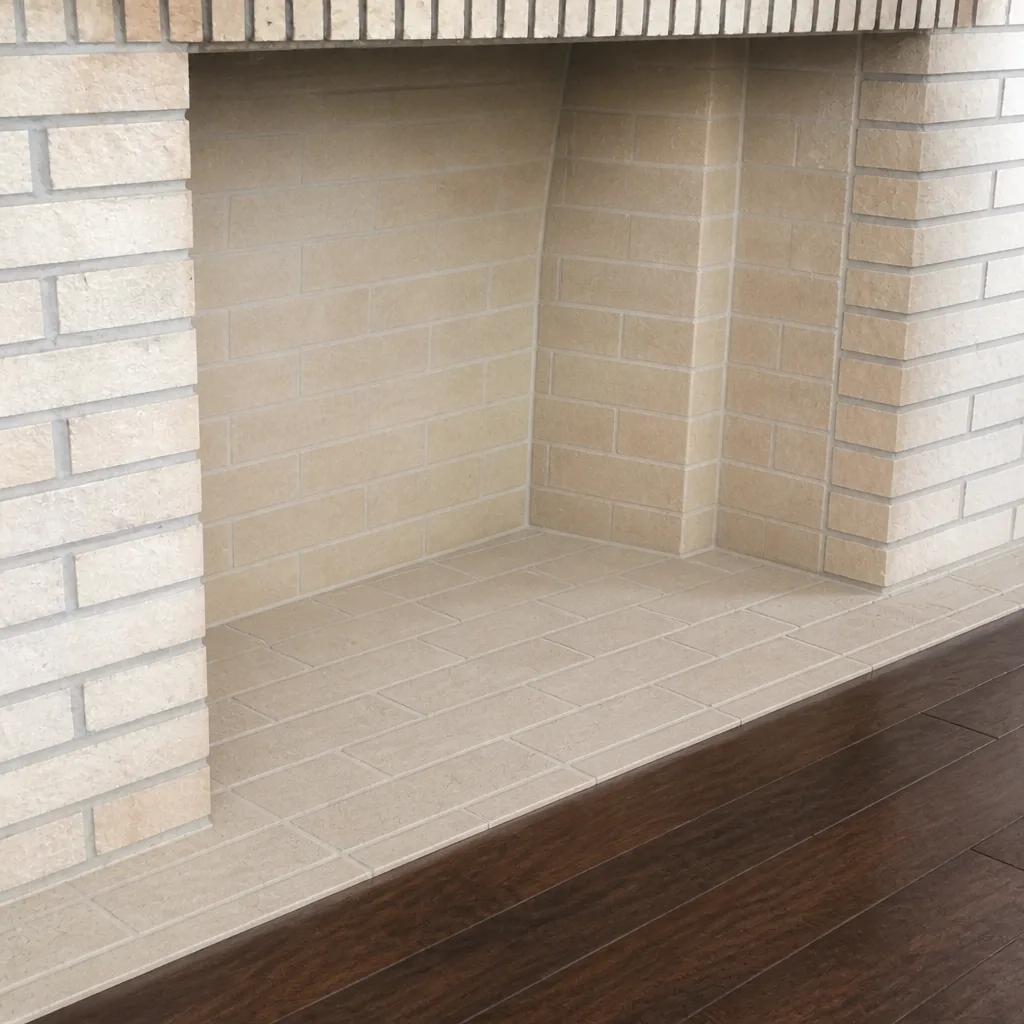
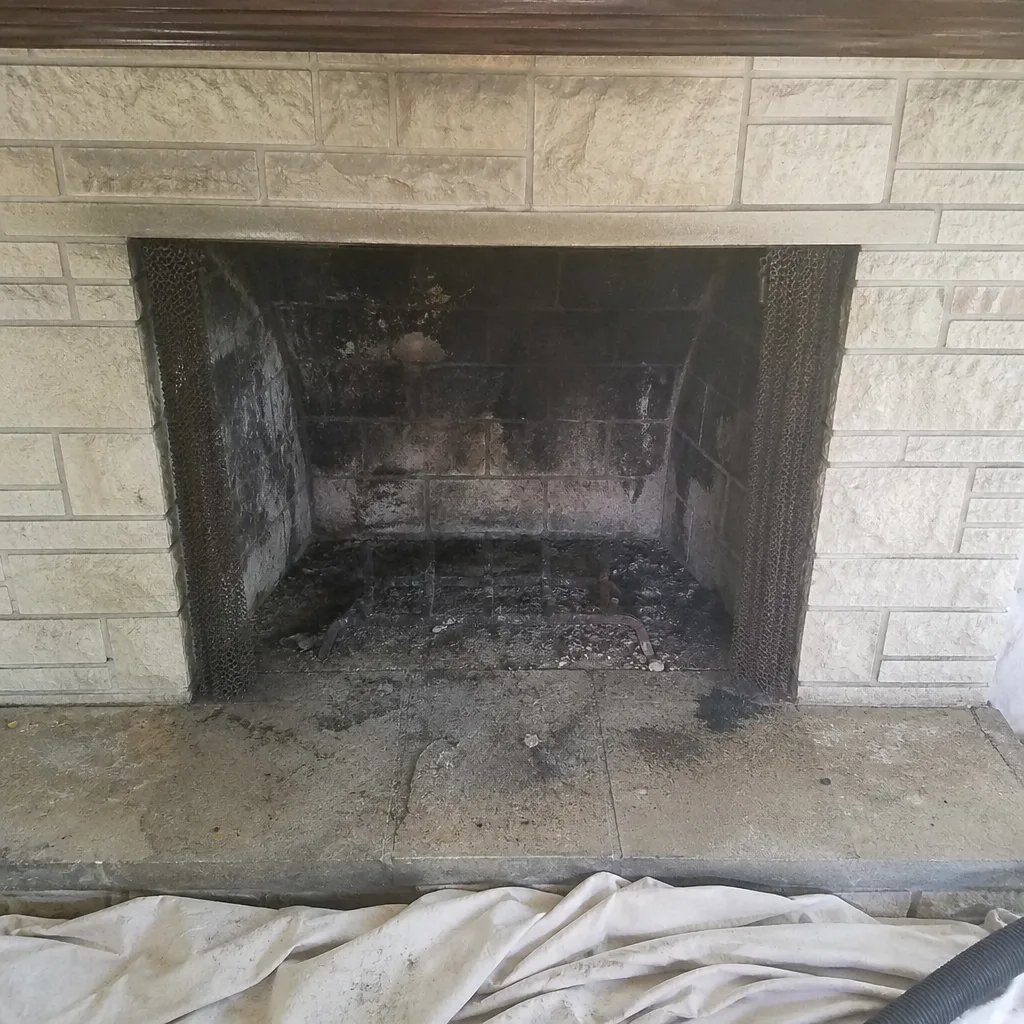
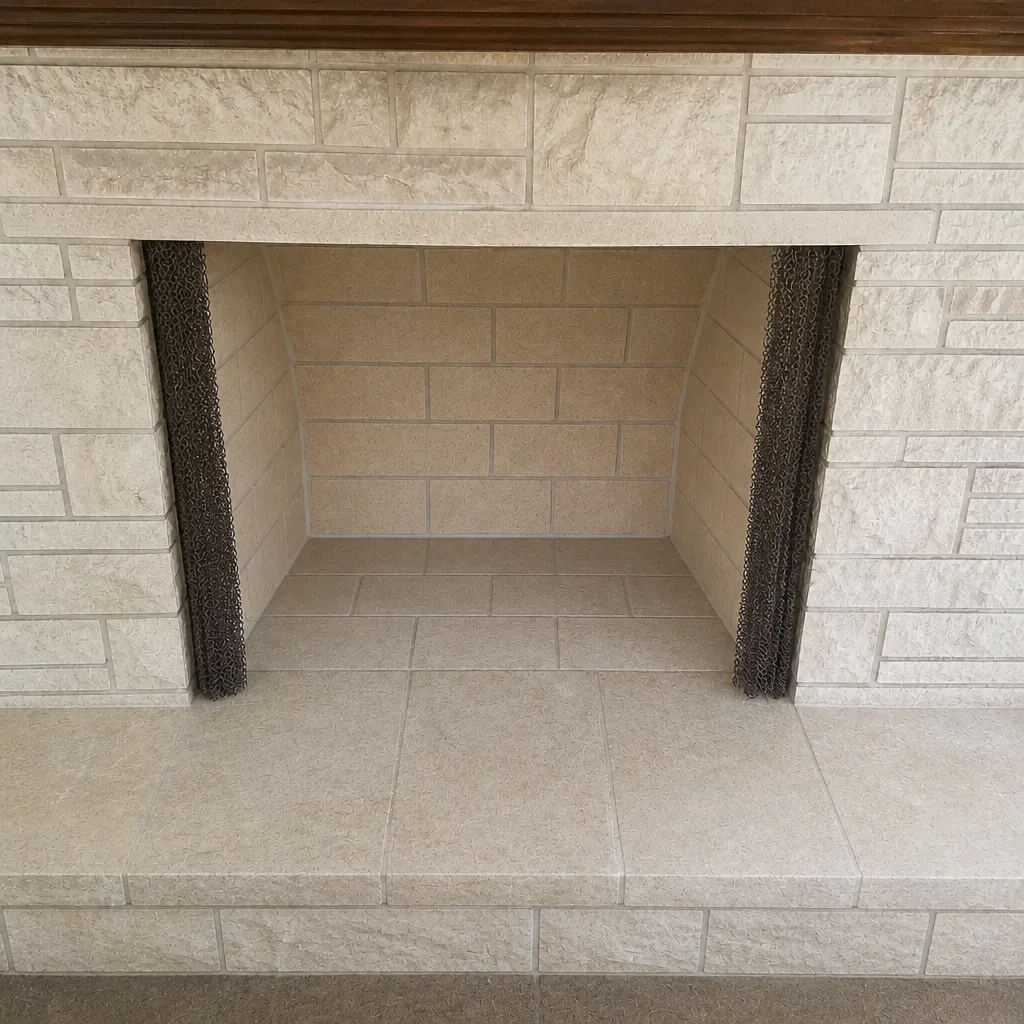
See the difference
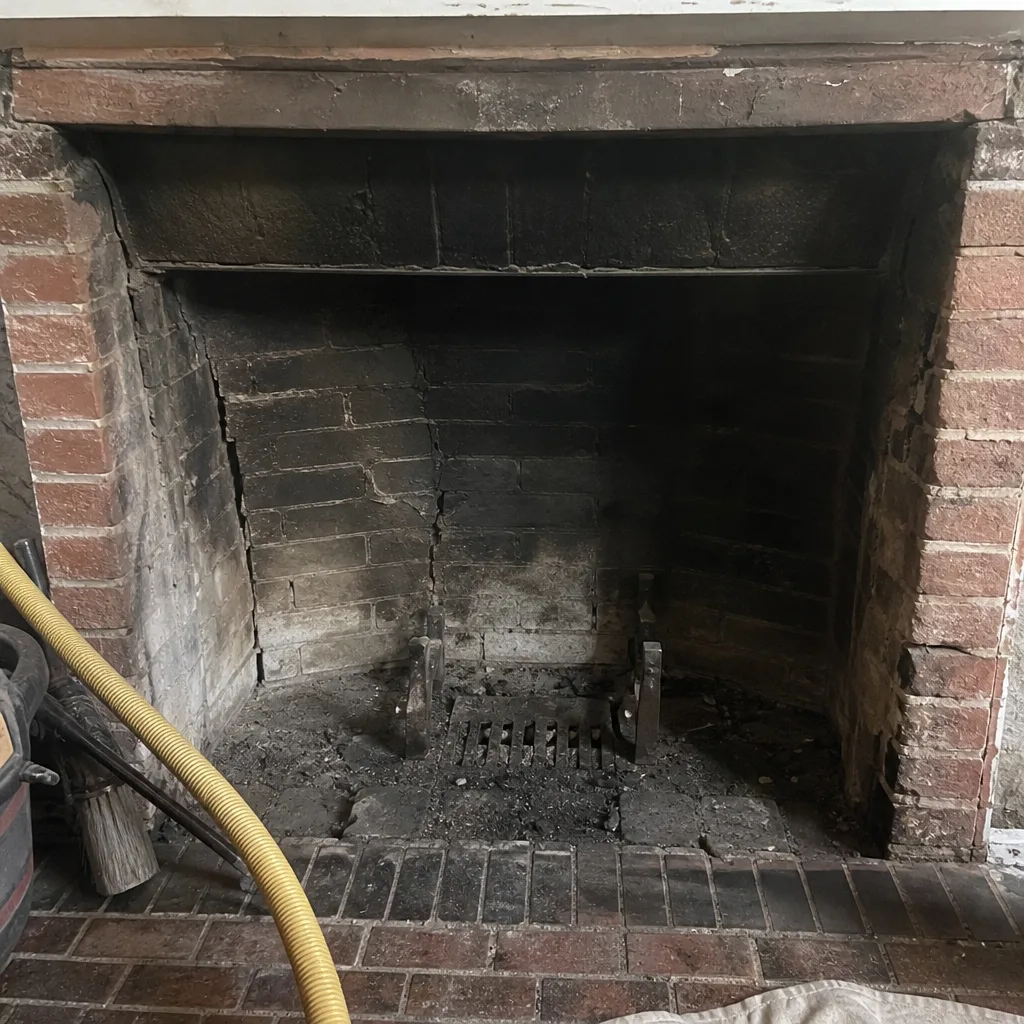 Before
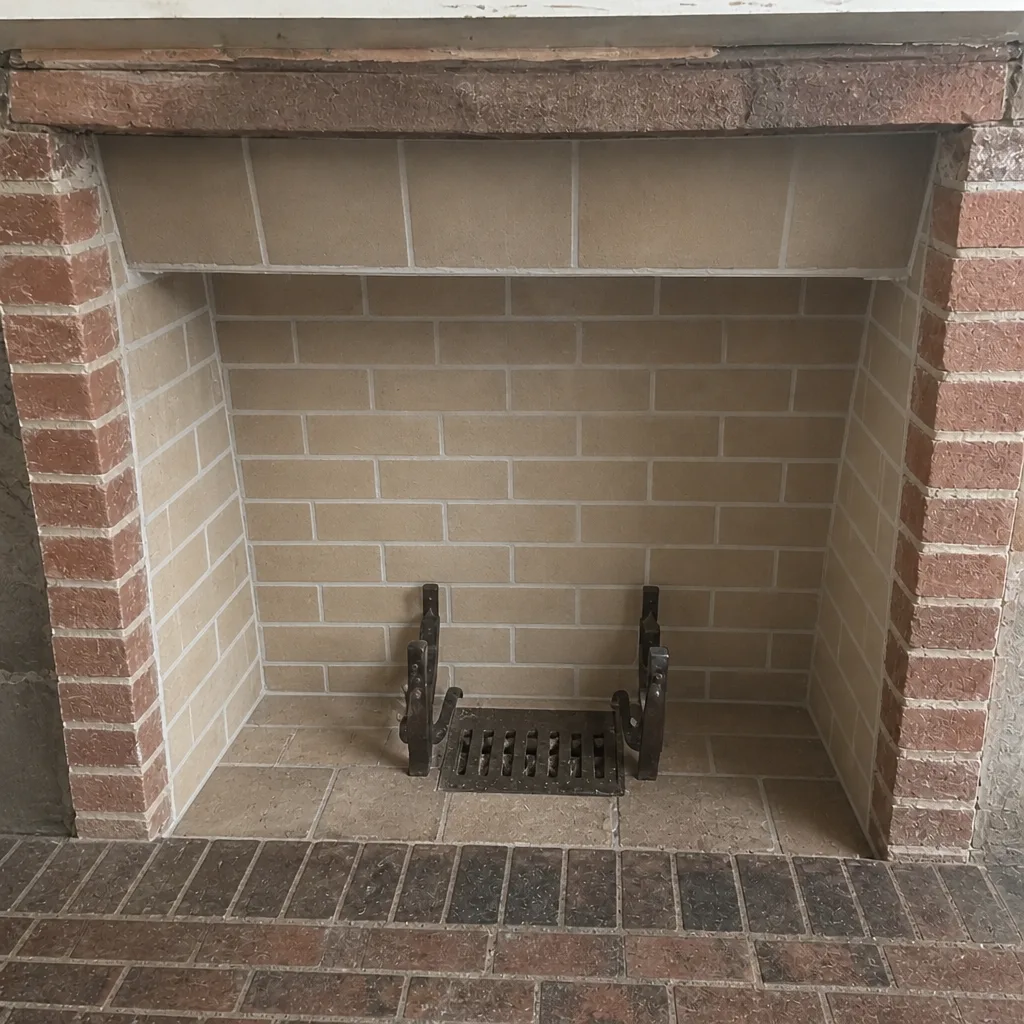 After
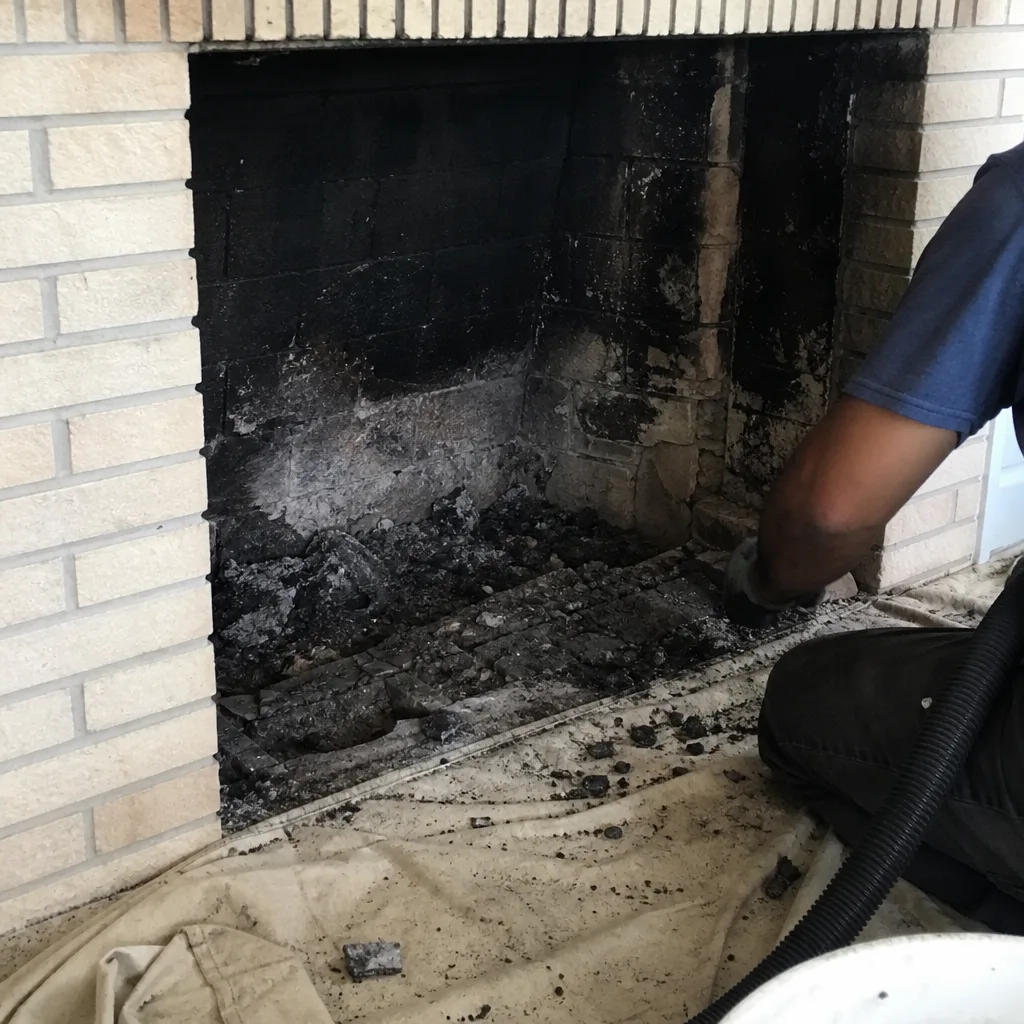 Before
 After
 Before
 After
When to Call a Professional
Call a professional when you see efflorescence that won’t stop appearing, spalling brick, crumbling mortar, or a chimney body that looks misaligned. Call when your firebox has a persistent summer odor, when smoke rolls back into the room, or when you hear scratching from the flue. Call if you’ve had a chimney fire, no matter how small it seemed, because the flue lining needs to be evaluated for heat damage afterward. Call before you light the first fire of the season in any fireplace you haven’t used since the last one. And call if you’re buying a St. Petersburg home with a fireplace and want the chimney inspected by a specialist rather than a general inspector.
Citadel Chimney Cleaning offers free estimates in St. Petersburg – call (833) 467-4164. We answer 24/7. Fast dispatch from 7am to 7pm, Sunday through Friday. We can work with your insurer if a repair is covered.
Frequently Asked Questions
Spalling brick that has progressed to crumbling mortar joints and loose brick is the most serious warning sign, because it means the chimney’s structural integrity is compromised. Efflorescence and summer firebox odors are earlier and easier to correct. Spalling caught at the surface-flaking stage is a repointing job; caught after the face has come off multiple bricks and joints have opened, it can require a structural repair or rebuild. Call (833) 467-4164 for an exact quote on an inspection – estimates are free.
The white stain is efflorescence, and it means water is moving through the masonry and evaporating mineral salts out the surface. It doesn’t damage the brick itself, but it’s a reliable indicator of moisture intrusion from a failed crown, cracked mortar, a missing cap, or a flashing problem. Cleaning the stain without sealing the source won’t stop it. An inspection traces the water to its origin.
A summer firebox odor is almost always creosote residue absorbing humidity out of the St. Petersburg air. Creosote is hygroscopic, so when the air is heavy and the fireplace is idle, the residue pulls moisture down the flue and produces an acrid or sour smell. A sweep removes the creosote load. A cap or draft correction may be needed if the smell returns. Call (833) 467-4164 to schedule a sweep and inspection together.
Yes. A properly fitted chimney cap keeps rain out of the flue, but in St. Petersburg’s warm climate it’s just as important for keeping wildlife out, since birds and squirrels can nest in an uncapped chimney at almost any time of year. A blocked flue from a nest traps smoke and carbon monoxide inside the house. A cap with mesh screening closes off both problems.
Scratching, flapping, or chattering sounds from the flue are a sign of wildlife nesting in the chimney, and in St. Petersburg’s climate that can happen year-round. Don’t light a fire until the obstruction is cleared, because a blocked flue is a carbon monoxide hazard. Don’t try to remove the animal yourself. A professional clears the flue and fits a cap to prevent it from happening again.
An annual sweep and inspection is the right rhythm for a typical wood-burning fireplace, and it keeps you at the low end of the creosote scale. If you burn frequently through the winter, a sweep before the first fire of the season and an inspection after the last one is a safer cycle. If the inspection shows stage two or glazed creosote, the next sweep can’t wait a year. Call (833) 467-4164 for a free estimate on a sweep and inspection.
The Bottom Line
Most of the serious chimney warning signs in St. Petersburg are quiet ones that homeowners learn to live with: a white stain, a summer smell, a draft that only reverses in certain weather, a few flakes of brick. Each of those is a diagnostic signal pointing to a specific, correctable problem, whether it’s moisture intrusion, creosote accumulation, a draft flaw, structural spalling, or a wildlife obstruction. None of them resolve on their own, and the earlier they’re identified, the simpler the correction usually is. Our technicians have up to 11 years of experience reading these signals from inspection through repair, using professional-grade materials from trade brands like HeatShield and DuraFlex. Know exactly what’s inside your flue before you light the first fire of the season.
If any of the warning signs in this guide sounds familiar, call Citadel Chimney Cleaning at (833) 467-4164 for a free estimate. We answer 24/7. Fast dispatch from 7am to 7pm, Sunday through Friday. From inspection to repair, one specialist handles it all.
Written by the team at Citadel Chimney Cleaning.